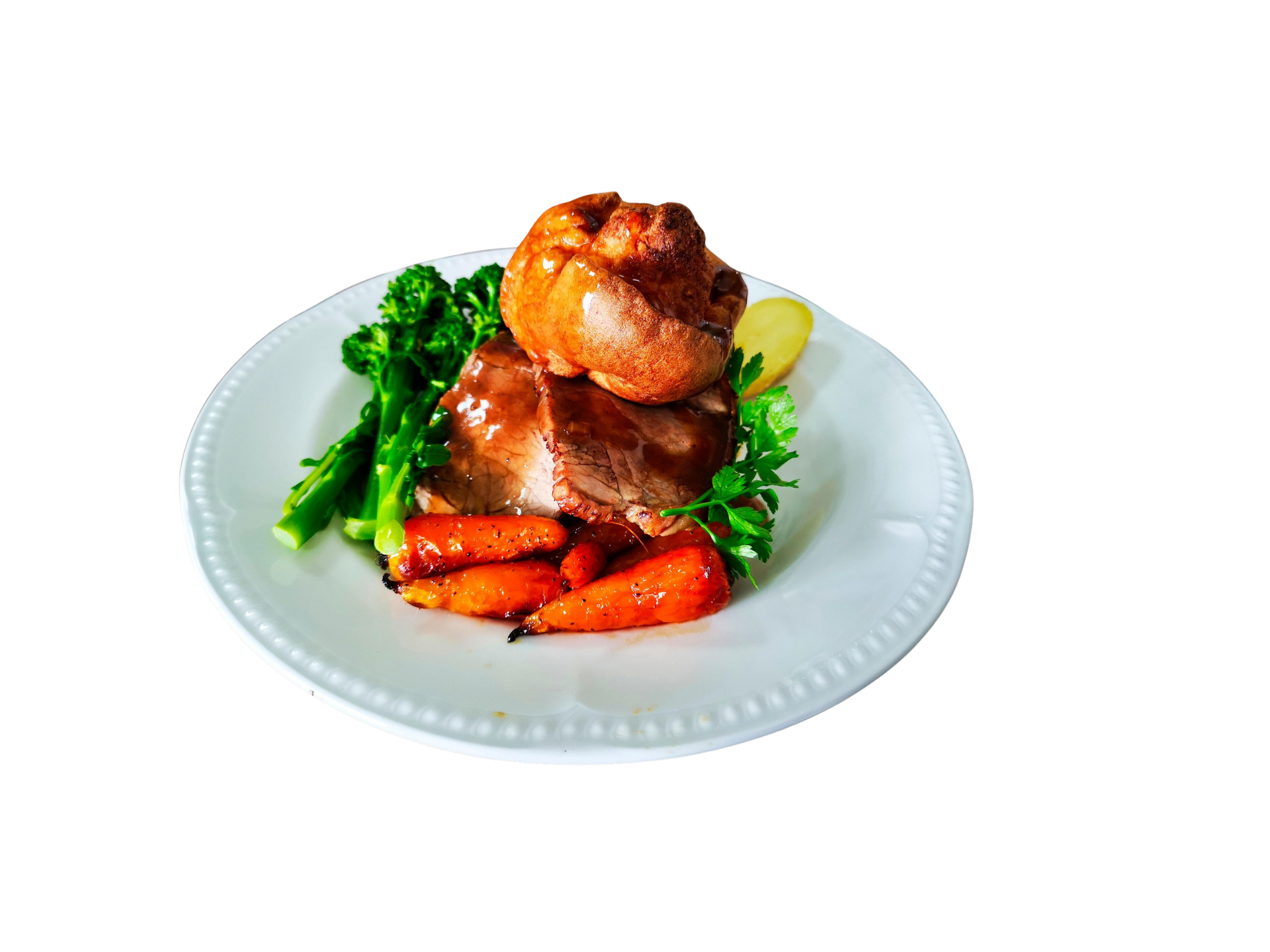
Pureed food doesn’t have to be boring. It doesn’t have to look like baby food or taste like hospital mash. With the right techniques, you can create meals that residents actually look forward to eating.
The key is flavour, texture, and presentation. Here are recipes and techniques that work in care home kitchens.
The Principles of Good Pureed Food
Before the recipes, understand what makes pureed food work:
- Season well. Pureed food can taste bland. Be generous with herbs, spices, and seasoning.
- Use quality ingredients. If the base ingredients are poor, the puree will be too.
- Add moisture. Dry puree is unappetising. Use stock, cream, butter, or sauces.
- Think about colour. Brown puree looks unappetising. Add colourful vegetables or herbs.
- Keep components separate. Don’t mix everything into one grey blob. Plate components separately.
Breakfast Recipes
Berry Porridge
Cook porridge oats with milk until very soft. Blend until smooth. Stir in pureed berries (strawberries, raspberries, or blueberries) for colour and flavour. Sweeten lightly with honey or maple syrup if allowed.
Plating: Serve in a bowl. Swirl the berry puree through for a marbled effect. Top with a sprinkle of cinnamon.
Scrambled Eggs with Herbs
Scramble eggs slowly over low heat with a knob of butter. Blend until smooth. Stir in finely chopped fresh herbs (parsley, chives, or chervil). Season well.
Plating: Serve on warm toast (also pureed if needed) or on its own. Garnish with a herb sprig.
Fruit Compote with Yoghurt
Stew apples, pears, or seasonal fruit with a little sugar and cinnamon until very soft. Blend until smooth. Layer with thick Greek yoghurt.
Plating: Use a clear glass to show the layers. Fruit on the bottom, yoghurt on top. Sprinkle with a pinch of cinnamon.
Lunch and Dinner Recipes
Chicken and Vegetable Pie
Roast chicken breast until tender. Sauté onions, carrots, and celery until soft. Make a white sauce with butter, flour, and milk. Blend chicken with a little stock until smooth. Blend vegetables separately. Combine chicken puree with sauce. Season well with herbs.
Plating: Spoon chicken mixture into a ramekin. Top with pureed carrots and peas (kept separate). Add a layer of mashed potato on top. Bake until golden.
Beef Bourguignon Style
Slow-cook beef in red wine stock with onions, carrots, and herbs until very tender (at least 3 hours). Blend beef with some cooking liquid until smooth but not too thin. Blend vegetables separately. Make a rich gravy from the remaining cooking liquid.
Plating: Spoon beef puree onto the plate. Add dots of carrot and onion puree around it. Drizzle with rich gravy. Garnish with fresh parsley.
Salmon and Leek Flan
Poach salmon until just cooked. Sauté leeks in butter until very soft. Make a custard with eggs and cream. Blend salmon with a little cream until smooth. Blend leeks separately. Combine salmon puree with custard. Pour into a greased ramekin.
Plating: Bake until set. Serve with a spoonful of leek puree on the side. Garnish with dill.
Vegetable Curry
Sauté onions, garlic, and ginger. Add curry powder and cook for a minute. Add chopped sweet potato, cauliflower, and peas. Cover with coconut milk and simmer until very tender. Blend each vegetable separately to keep colours distinct. Season with lime juice and coriander.
Plating: Spoon different coloured purees next to each other on the plate. Drizzle with coconut cream. Garnish with fresh coriander.
Shepherd’s Pie
Brown minced lamb with onions. Add stock and herbs. Simmer until tender. Blend lamb mixture until smooth but with some texture. Make mashed potato with plenty of butter and milk. Season well.
Plating: Layer lamb puree in a ramekin. Top with mashed potato. Rough up the surface with a fork. Bake until golden.
Fish Pie
Poach white fish (cod or haddock) in milk until just cooked. Make a parsley sauce. Blend fish with some sauce until smooth. Check carefully for bones. Make mashed potato with butter and cream.
Plating: Layer fish puree in a ramekin. Top with mashed potato. Bake until golden. Garnish with parsley.
Chocolate Mousse
Melt good quality dark chocolate with a little cream. Whip remaining cream until soft peaks. Fold chocolate into cream. Blend briefly until smooth. Chill until set.
Plating: Spoon into a clear glass. Top with a dusting of cocoa powder or a chocolate curl.
Lemon Posset
Heat double cream with sugar until it just boils. Remove from heat. Stir in lemon juice. The acid will thicken the cream. Blend until smooth. Pour into glasses and chill.
Plating: Serve chilled. Top with a lemon zest curl or a few raspberries.
Vanilla Panna Cotta
Heat cream with sugar and vanilla pod until sugar dissolves. Soften gelatine in cold water. Stir gelatine into warm cream. Pour into moulds and chill until set.
Plating: Turn out onto a plate or serve in the mould. Top with a fruit coulis (pureed berries strained for smoothness).
Sticky Toffee Pudding
Make a moist date sponge cake. Blend with toffee sauce until smooth but with some texture. Make extra toffee sauce for serving.
Plating: Spoon into a bowl. Drizzle generously with toffee sauce. Serve with cream (also pureed if needed).
Build layers of flavour
Don’t just blend and serve. Sauté onions first. Roast vegetables before blending. Use stock instead of water. Add herbs at different stages.
Use fresh herbs
Fresh herbs make a huge difference. Parsley, chives, basil, thyme, rosemary — add them during cooking and fresh at the end.
Don’t forget acidity
A squeeze of lemon juice or a dash of vinegar brightens flavours. Add it at the end of cooking, after blending.
Season properly
Taste as you go. Pureed food needs good seasoning. Salt and pepper are essential. Don’t be timid.
Add umami
Ingredients like parmesan, mushrooms, tomatoes, and soy sauce add depth. Use them to boost flavour.
Use moulds
Silicone moulds come in all shapes — flowers, animals, vegetables. Fill with puree, chill, then turn out. It looks like real food.
Keep components separate
Don’t mix protein, vegetables, and starch into one colour. Plate them separately. It looks like a proper meal.
Add colour
Use colourful vegetables: carrots (orange), peas (green), beetroot (purple), sweet potato (orange). Bright food is more appetising.
Garnish thoughtfully
A herb sprig, a drizzle of sauce, a sprinkle of paprika — small touches that make food look cared for.
Use the right plates
White plates show colour best. Shallow bowls work well for purees. Avoid plates with busy patterns.
Under-seasoning
Pureed food tastes blander than it looks. Season generously. Taste before serving.
Making it too thin
Level 4 puree should hold its shape. If it’s runny, it’s not right. Reduce liquid or add a thickener.
Over-blending
Too much blending can make food gluey. Blend just until smooth. Don’t overdo it.
Ignoring temperature
Serve hot food hot. Cold puree is unappetising. Reheat properly before serving.
Mixing everything together
One grey blob on a plate is depressing. Keep components separate. Use colour.
How far ahead can I prepare pureed food?
Cook and blend on the day if possible. If you must prepare ahead, cool quickly, refrigerate, and use within 24 hours. Reheat thoroughly before serving. Don’t refreeze.
Can I freeze pureed food?
Some purees freeze well (soups, sauces), others don’t (dairy-based dishes). If freezing, use within a month. Thaw in the fridge and reheat thoroughly.
How do I make pureed food look like real food?
Use moulds shaped like chicken, fish, or vegetables. Keep components separate. Add colour with vegetables and herbs. Garnish simply.
What if residents don’t like the food?
Ask what they don’t like. Is it the taste? The texture? The appearance? Adjust accordingly. Offer choices where possible. Sometimes it’s just about presentation.
How do I ensure residents get enough nutrition?
Add butter, cream, cheese, and protein powder to boost calories. Include protein in every meal. Monitor weights and intake. Work with the dietitian if needed.
Making a Difference
Pureed food doesn’t have to be a sentence. With care, creativity, and good technique, you can make meals that residents enjoy. It takes a bit more effort, but it’s worth it.
Good food is about more than nutrition. It’s about dignity, pleasure, and care. That matters just as much for residents on modified diets.
If you need kitchen staff who understand texture-modified diets and care about presentation, KitchenFlow can help. Our chefs are IDDSI-trained and experienced in care home cooking.