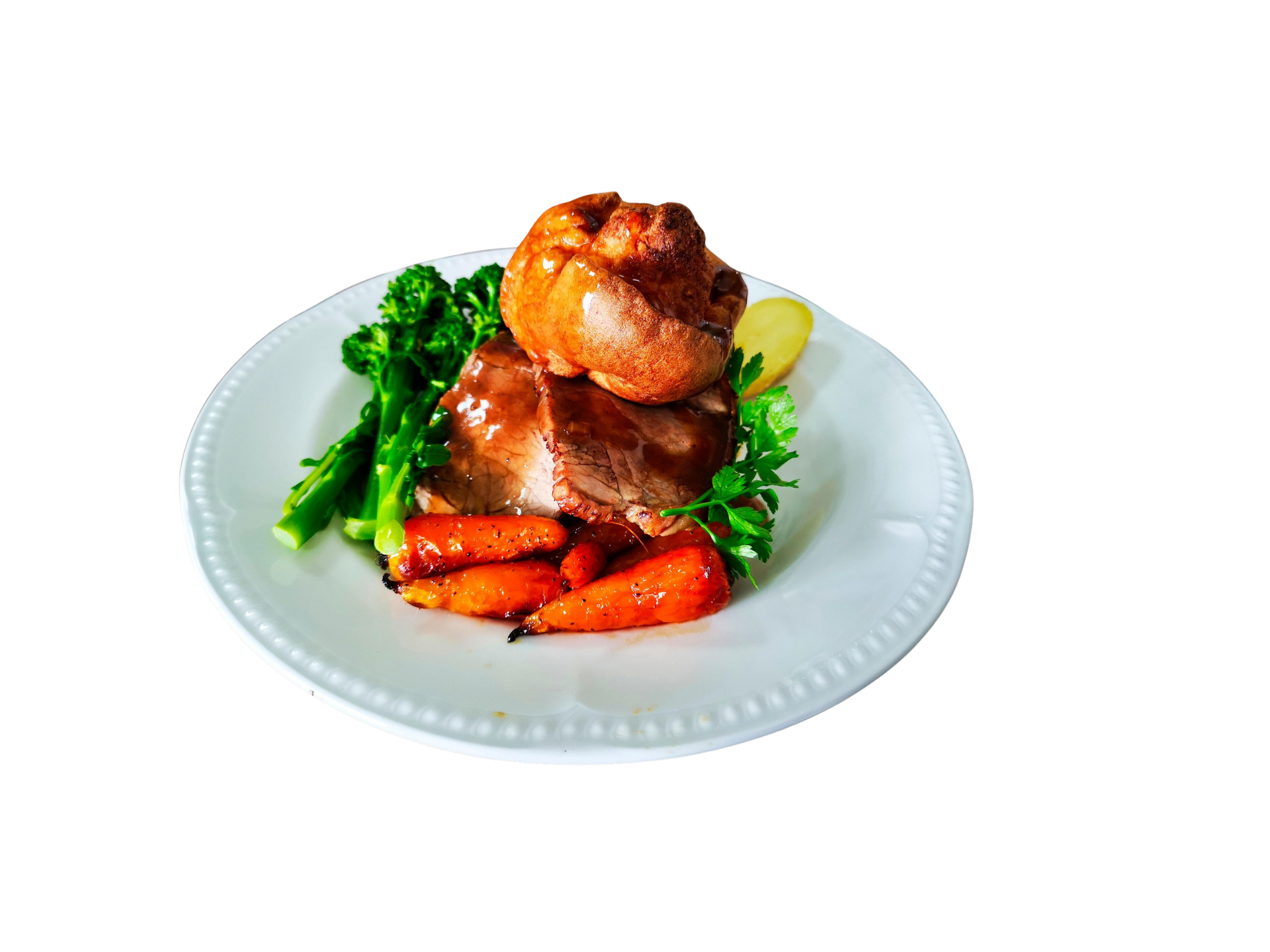
Texture-modified diets cover a wide range — from slightly thick liquids to normal foods that are just easy to chew. But the differences between levels can be subtle, and getting them wrong puts residents at risk.
This guide walks through every food and liquid level from 3 to 7, with clear descriptions, examples, and testing methods your kitchen team can use every day.
Why Texture Modification Matters
Residents with dysphagia (swallowing difficulties) need food and drinks that are safe to swallow. The wrong texture can cause:
- Choking — food blocks the airway
- Aspiration — food or liquid enters the lungs
- Aspiration pneumonia — a serious lung infection
- Malnutrition and dehydration — residents stop eating because it’s difficult
The IDDSI framework (International Dysphagia Diet Standardisation Initiative) gives us 8 levels (0-7). Levels 0-2 are thin to mildly thick liquids. Levels 3-7 cover thicker liquids and foods of increasing texture.
Level 3: Liquidised / Moderately Thick
This level covers both liquids and some thin purees. It’s the bridge between thickened drinks and fully pureed food.
For liquids:
Moderately thick liquids can be drunk from a cup but not through a standard straw. They flow slowly and leave a coating on the cup.
Examples: thick fruit smoothies, thickened coffee, drinking yoghurt.
Test: Draw liquid into a 10ml syringe. It should take 10-20 seconds to flow out.
Level 4: Pureed / Extremely Thick
Level 4 is the most common texture-modified diet in care homes. Food is smooth, lump-free, and holds its shape on a plate.
Level 5: Minced and Moist
Level 5 is for residents who can handle small, soft pieces. It’s more textured than Level 4 but still requires minimal chewing.
Level 6: Soft and Bite-Sized
Level 6 is for residents who can chew soft foods in small pieces. It’s a step up from Level 5 — larger pieces that require some chewing ability.
Level 7: Easy to Chew
Level 7 is the least restrictive texture-modified diet. Food is normal but must be easy to chew and swallow.
Liquid Levels for Thickened Drinks
Many residents with dysphagia also need thickened drinks. Here’s a quick reference:
| Level | Name | Description | Test (10ml syringe) |
|---|---|---|---|
| 0 | Thin | Flows like water | 0-1 seconds |
| 1 | Slightly Thick | Pours like single cream | 1-5 seconds |
| 2 | Mildly Thick | Pours like thick cream | 5-10 seconds |
| 3 | Moderately Thick | Can be drunk from cup, not straw | 10-20 seconds |
| 4 | Extremely Thick | Eaten with a spoon | Does not flow |
Quick Reference: Food Levels at a Glance
| Level | Name | Texture | Max Piece Size | Chewing Needed | Test |
|---|---|---|---|---|---|
| 3 | Liquidised | Thin puree | Smooth | Minimal | Spoon tilt |
| 4 | Pureed | Smooth, holds shape | Smooth | None | Fork drip + spoon tilt |
| 5 | Minced & Moist | Small soft pieces | 4mm x 4mm | Minimal | Fork pressure |
| 6 | Soft & Bite-Sized | Soft chunks | 1.5cm x 1.5cm | Some | Spoon side pressure |
| 7 | Easy to Chew | Normal but soft | Normal | Yes, but easy | Tongue test |
How to Use This Guide in Your Kitchen
Print it out
Put a copy of the quick reference table on the kitchen wall. Staff should be able to check levels at a glance.
Test every time
Don’t assume food is right. Test every batch before serving. It takes seconds and could save a life.
Train your team
Make sure everyone understands the differences between levels. Run through the tests together. Practice until it’s second nature.
Follow the care plan
Each resident’s care plan specifies their food and liquid levels. Check the plan before preparing their meal. If you’re unsure, ask.
Common Mistakes to Avoid
Confusing similar levels
Level 4 and Level 3 look similar. Level 5 and Level 6 are both “small pieces” but the size difference matters. Always test — don’t guess.
Not testing liquids
Thickened drinks are just as important as food. Test every drink before serving.
Assuming consistency
Ingredients change. Equipment changes. Staff change. What passed yesterday might not pass today. Test every batch.
Ignoring the care plan
Never serve food without checking the resident’s care plan. The wrong level could be dangerous.
Frequently Asked Questions
Can a resident be on different levels for food and drinks?
Yes. A resident might need Level 5 food but Level 2 liquids. Always check both in the care plan.
What if a resident wants food from a higher level?
Residents can’t change their own diet level. Only a speech and language therapist can assess and change the level. If a resident wants different food, speak to the care team.
What if we run out of thickener?
Don’t serve thin liquids to a resident who needs thickened drinks. Speak to the care team immediately. Order more thickener as a priority.
How do I know which level a resident needs?
Check the resident’s care plan. It should specify their food and liquid levels. If you can’t find it or you’re unsure, ask the care team before serving.
Can texture levels change over time?
Yes. A resident’s swallowing can improve or deteriorate. They may move up or down levels. The care team should update the care plan when this happens — make sure you’re aware of any changes.
Need IDDSI Training or Kitchen Support?
If your kitchen team needs IDDSI training or you need cover from a dysphagia-trained chef, KitchenFlow can help.
We provide:
- IDDSI training for kitchen teams
- Temporary chefs and kitchen assistants trained in dysphagia care
- Ongoing support and advice