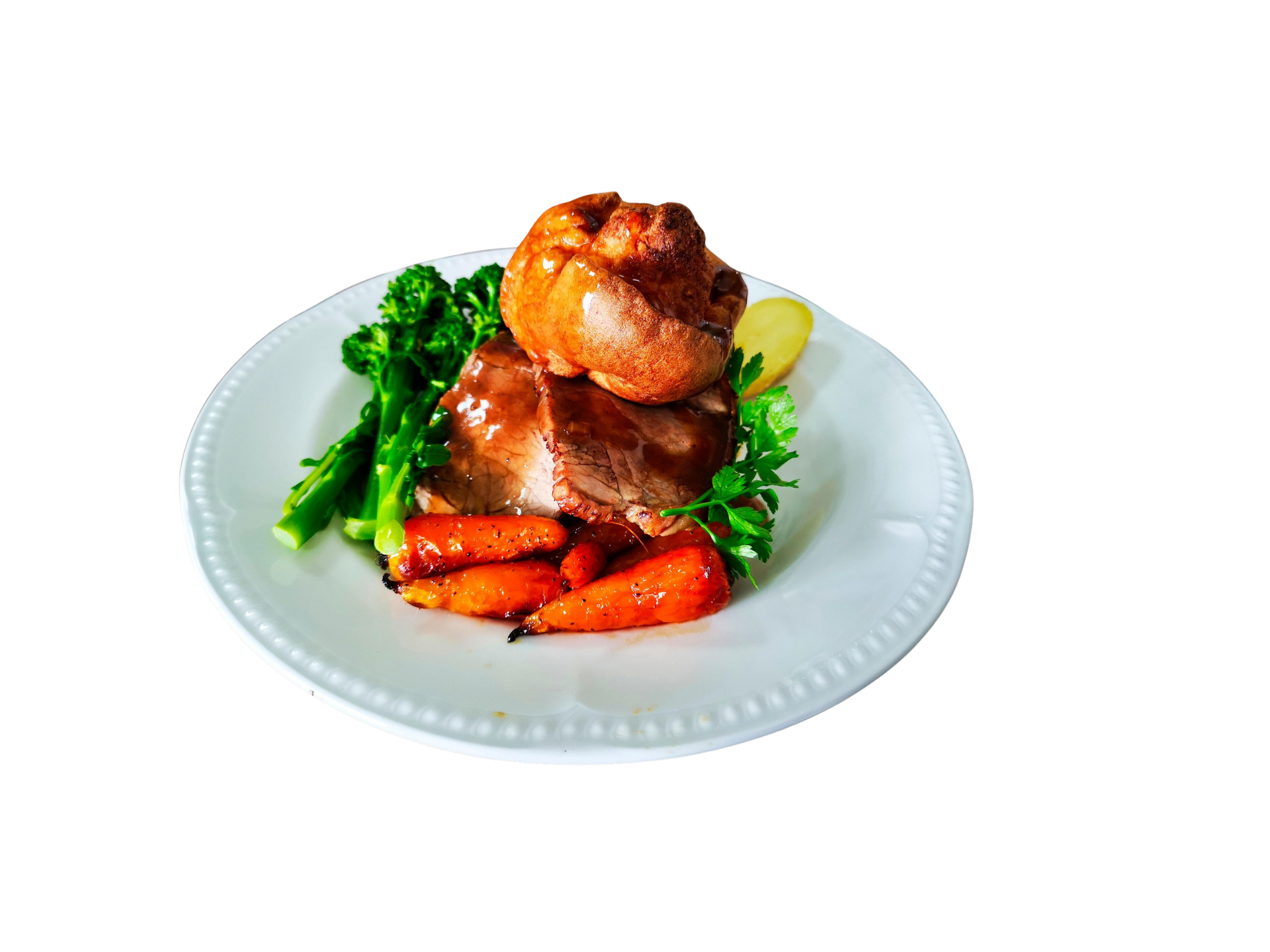
More residents in care homes are choosing vegetarian and vegan diets — whether for health, ethical, or religious reasons. And it’s not just about offering a nut roast on Sundays. A well-planned plant-based menu meets nutritional needs, satisfies CQC/CIW inspectors, and keeps residents happy. Here’s how to get it right.
What Vegetarian & Vegan Diets Mean for Care Home Kitchens
Offering vegetarian and vegan options isn’t a niche requirement anymore. According to the NHS, around 7% of UK adults follow a meat-free diet, and the number is higher among younger generations entering care. For care homes, this means:
- You need proper plant-based mains, not just sides and salads
- Nutritional adequacy is critical — especially protein, iron, B12, and calcium
- Texture-modified diets need vegetarian/vegan versions too
- Inspectors expect choice, not just compliance
Nutritional Requirements for Vegetarian & Vegan Residents
The key nutrients to watch when planning meat-free meals for elderly residents:
| Nutrient | Risk if Low | Plant-Based Sources Suitable for Care Homes |
|---|---|---|
| Protein | Muscle loss, poor wound healing, frailty | Beans, lentils, chickpeas, tofu, Quorn, eggs (vegetarian), dairy (vegetarian), fortified plant milks |
| Iron | Anaemia, fatigue, reduced mobility | Dark leafy greens, fortified cereals, pulses, dried fruit (serve with vitamin C for absorption) |
| Vitamin B12 | Neurological issues, cognitive decline | Fortified foods (plant milks, cereals, nutritional yeast), supplements, eggs (vegetarian), dairy (vegetarian) |
| Calcium | Osteoporosis, fracture risk | Fortified plant milks, leafy greens, tahini, dairy (vegetarian), calcium-set tofu |
| Vitamin D | Bone health, immunity, mood | Fortified foods, exposure to sunlight, supplements (recommended for all over-65s) |
| Omega-3 | Inflammation, cognitive function | Flaxseed, chia seeds, walnuts, rapeseed oil |
Building a Vegetarian & Vegan Menu That Works
1. Focus on Protein at Every Meal
Elderly residents need more protein per kilogram of body weight than younger adults (around 1.2-1.5g per kg). Every vegetarian/vegan main should have a clear protein source. Think: lentil shepherds pie, chickpea curry, tofu stir-fry, bean burgers.
2. Fortify Where Needed
Use fortified plant milks for cooking and cereal. Add nutritional yeast (rich in B12) to sauces and soups. Enrich pureed meals with plant-based protein powder if needed.
3. Don’t Forget Texture Modification
Vegetarian and vegan residents on texture-modified diets often get stuck with the same limited options. Develop IDDSI-compliant versions of your plant-based mains — lentil purees, smooth bean soups, soft tofu dishes.
4. Make It Appealing
The biggest complaint from vegetarian residents isn’t the lack of options — it’s the lack of effort. A baked potato with cheese is not a meal. A colourful vegetable curry with rice and naan bread is. Treat plant-based options with the same care as meat dishes.
Why This Matters
Ops Impact
A well-planned vegetarian/vegan menu reduces the need for last-minute substitutions. You cook once, serve everyone. It also simplifies batch cooking — many plant-based dishes freeze well and work for multiple residents.
Regulatory Impact
CQC inspectors look for evidence that residents have genuine choice. A home that offers one vegetarian option (and it’s always egg and chips) may score poorly on the “food and drink” key line of enquiry. Diverse, well-planned menus score better.
Resident Impact
Residents who feel their dietary choices are respected eat better, enjoy meals more, and are less likely to lose weight. A good vegetarian option can be the highlight of someone’s day.
CQC / CIW Expectations
Inspectors check for:
- Choice at every meal — not just a veggie option at lunch but at breakfast and supper too
- Nutritional adequacy — can the chef explain how plant-based meals provide enough protein?
- Resident involvement — are vegetarian/vegan residents consulted about what they’d like to eat?
- Consistency across textures — do pureed diets get the same variety as standard diets?
Common Mistakes in Care Homes
Mistake 1: Vegetarian = Fish
Fix: Many residents who choose vegetarian do so for ethical or religious reasons and won’t eat fish either. Check what “vegetarian” means to each resident.
Mistake 2: No Vegan Option
Fix: Vegetarian and vegan are different. A vegetarian option that uses cheese and eggs isn’t suitable for a vegan resident. Keep a few genuinely vegan recipes in rotation.
Mistake 3: Relying on Meat Substitutes
Fix: Processed meat substitutes (frozen burgers, sausages) are fine occasionally, but they’re highly processed and often low in the nutrients elderly residents need. Cook from scratch with whole ingredients where possible.
Quick Tips for Kitchen Managers
- Keep a stock of fortified plant milk for cooking — it works in sauces, mash, and baking
- Legumes (lentils, beans, chickpeas) are your best friend for protein and texture
- Add a vegetarian option to every meal, not just lunch
- Label vegetarian and vegan options clearly on the menu
- Consult your vegetarian/vegan residents regularly — tastes change
FAQs
Can a vegetarian or vegan diet meet the nutritional needs of elderly residents?
Yes, with careful planning. Protein, B12, calcium, and iron need attention. Fortified foods and supplements can fill the gaps. A dietitian-led review of your menu is a good idea.
How many vegetarian options should I offer per meal?
At least one well-planned option per meal. If you have multiple vegetarian residents, aim for two options at lunch and supper.
What if a resident becomes vegetarian after admission?
Update their dietary records immediately and review their nutritional intake. A sudden change to a plant-based diet in an older adult needs monitoring to ensure they’re getting enough protein and key nutrients.
Do small care homes have different requirements?
The expectation of choice applies to all homes. Small homes can manage with a simpler approach — one rotating vegetarian option per meal, seasonal ingredients, and a small stock of fortified plant products.
Next Steps
Recommended reading:
Need help planning your menus?
KitchenFlow helps care homes create nutritious, varied menus that residents love. Book a call to discuss your kitchen’s needs.
Last updated: July 2026
Category: cqc-compliance