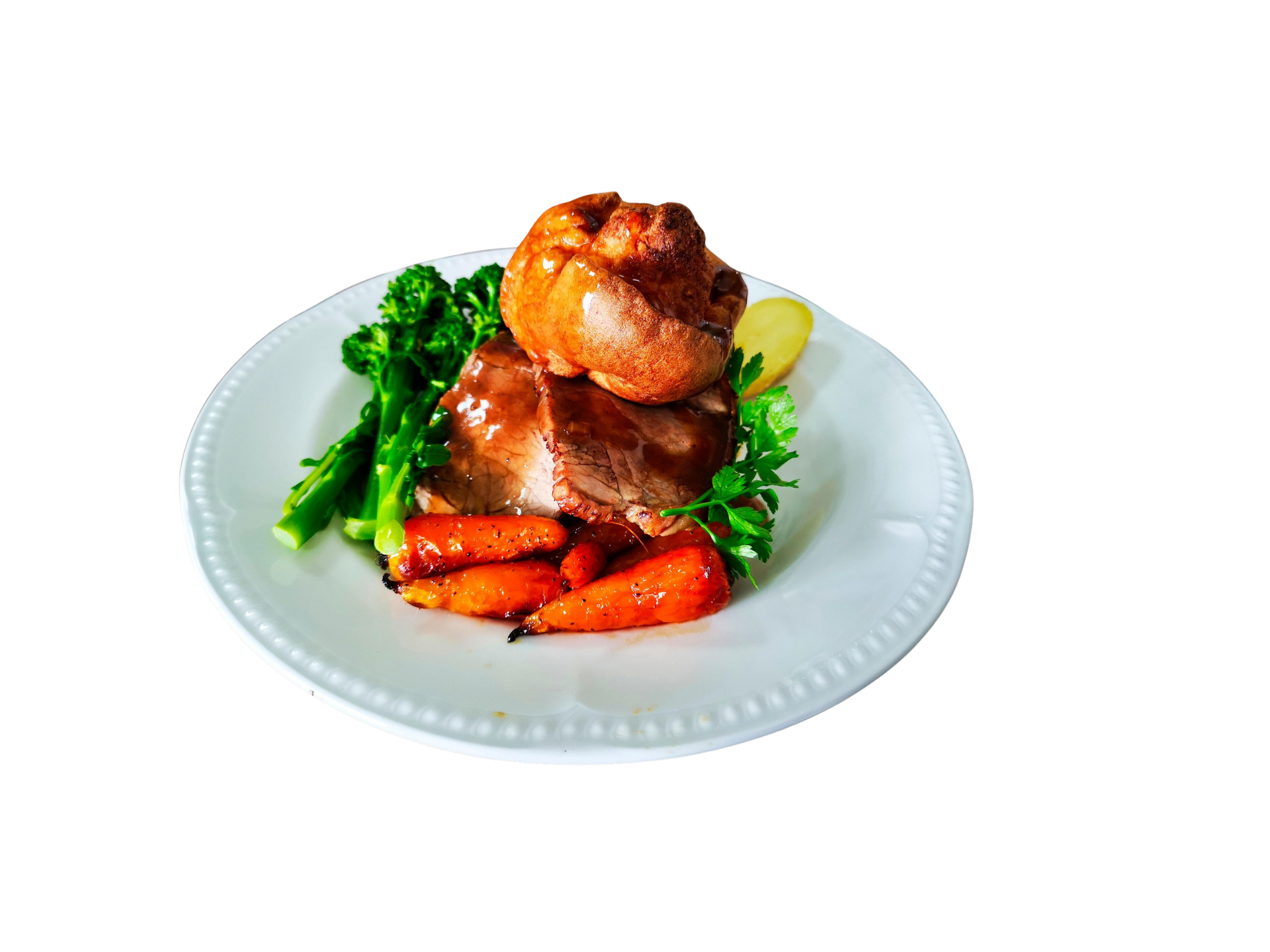
Watch the little things
A napkin, a proper plate, eye contact — they add up.
The bottom line
Dignity isn’t a policy, it’s a hundred small moments at the table. The kitchen sets more of them than people realise.
For the full picture across dignity, environment and the mealtime moment, see our Dignity Dining & Dining Experience guide.
‘What would you like?’ beats ‘Here’s your lunch.’
Watch the little things
A napkin, a proper plate, eye contact — they add up.
The bottom line
Dignity isn’t a policy, it’s a hundred small moments at the table. The kitchen sets more of them than people realise.
For the full picture across dignity, environment and the mealtime moment, see our Dignity Dining & Dining Experience guide.
Ask, don’t assume
‘What would you like?’ beats ‘Here’s your lunch.’
Watch the little things
A napkin, a proper plate, eye contact — they add up.
The bottom line
Dignity isn’t a policy, it’s a hundred small moments at the table. The kitchen sets more of them than people realise.
For the full picture across dignity, environment and the mealtime moment, see our Dignity Dining & Dining Experience guide.
A meal rushed in ten minutes is not a meal. Pacing is dignity.
Ask, don’t assume
‘What would you like?’ beats ‘Here’s your lunch.’
Watch the little things
A napkin, a proper plate, eye contact — they add up.
The bottom line
Dignity isn’t a policy, it’s a hundred small moments at the table. The kitchen sets more of them than people realise.
For the full picture across dignity, environment and the mealtime moment, see our Dignity Dining & Dining Experience guide.
Slow down
A meal rushed in ten minutes is not a meal. Pacing is dignity.
Ask, don’t assume
‘What would you like?’ beats ‘Here’s your lunch.’
Watch the little things
A napkin, a proper plate, eye contact — they add up.
The bottom line
Dignity isn’t a policy, it’s a hundred small moments at the table. The kitchen sets more of them than people realise.
For the full picture across dignity, environment and the mealtime moment, see our Dignity Dining & Dining Experience guide.
How to get it right
Slow down
A meal rushed in ten minutes is not a meal. Pacing is dignity.
Ask, don’t assume
‘What would you like?’ beats ‘Here’s your lunch.’
Watch the little things
A napkin, a proper plate, eye contact — they add up.
The bottom line
Dignity isn’t a policy, it’s a hundred small moments at the table. The kitchen sets more of them than people realise.
For the full picture across dignity, environment and the mealtime moment, see our Dignity Dining & Dining Experience guide.
How to get it right
Slow down
A meal rushed in ten minutes is not a meal. Pacing is dignity.
Ask, don’t assume
‘What would you like?’ beats ‘Here’s your lunch.’
Watch the little things
A napkin, a proper plate, eye contact — they add up.
The bottom line
Dignity isn’t a policy, it’s a hundred small moments at the table. The kitchen sets more of them than people realise.
For the full picture across dignity, environment and the mealtime moment, see our Dignity Dining & Dining Experience guide.
Watch the little things
A napkin, a proper plate, eye contact — they add up.
The bottom line
Dignity isn’t a policy, it’s a hundred small moments at the table. The kitchen sets more of them than people realise.
For the full picture across dignity, environment and the mealtime moment, see our Dignity Dining & Dining Experience guide.
‘What would you like?’ beats ‘Here’s your lunch.’
Watch the little things
A napkin, a proper plate, eye contact — they add up.
The bottom line
Dignity isn’t a policy, it’s a hundred small moments at the table. The kitchen sets more of them than people realise.
For the full picture across dignity, environment and the mealtime moment, see our Dignity Dining & Dining Experience guide.
Ask, don’t assume
‘What would you like?’ beats ‘Here’s your lunch.’
Watch the little things
A napkin, a proper plate, eye contact — they add up.
The bottom line
Dignity isn’t a policy, it’s a hundred small moments at the table. The kitchen sets more of them than people realise.
For the full picture across dignity, environment and the mealtime moment, see our Dignity Dining & Dining Experience guide.
A meal rushed in ten minutes is not a meal. Pacing is dignity.
Ask, don’t assume
‘What would you like?’ beats ‘Here’s your lunch.’
Watch the little things
A napkin, a proper plate, eye contact — they add up.
The bottom line
Dignity isn’t a policy, it’s a hundred small moments at the table. The kitchen sets more of them than people realise.
For the full picture across dignity, environment and the mealtime moment, see our Dignity Dining & Dining Experience guide.
Slow down
A meal rushed in ten minutes is not a meal. Pacing is dignity.
Ask, don’t assume
‘What would you like?’ beats ‘Here’s your lunch.’
Watch the little things
A napkin, a proper plate, eye contact — they add up.
The bottom line
Dignity isn’t a policy, it’s a hundred small moments at the table. The kitchen sets more of them than people realise.
For the full picture across dignity, environment and the mealtime moment, see our Dignity Dining & Dining Experience guide.
How to get it right
Slow down
A meal rushed in ten minutes is not a meal. Pacing is dignity.
Ask, don’t assume
‘What would you like?’ beats ‘Here’s your lunch.’
Watch the little things
A napkin, a proper plate, eye contact — they add up.
The bottom line
Dignity isn’t a policy, it’s a hundred small moments at the table. The kitchen sets more of them than people realise.
For the full picture across dignity, environment and the mealtime moment, see our Dignity Dining & Dining Experience guide.
How to get it right
Slow down
A meal rushed in ten minutes is not a meal. Pacing is dignity.
Ask, don’t assume
‘What would you like?’ beats ‘Here’s your lunch.’
Watch the little things
A napkin, a proper plate, eye contact — they add up.
The bottom line
Dignity isn’t a policy, it’s a hundred small moments at the table. The kitchen sets more of them than people realise.
For the full picture across dignity, environment and the mealtime moment, see our Dignity Dining & Dining Experience guide.
Ask, don’t assume
‘What would you like?’ beats ‘Here’s your lunch.’
Watch the little things
A napkin, a proper plate, eye contact — they add up.
The bottom line
Dignity isn’t a policy, it’s a hundred small moments at the table. The kitchen sets more of them than people realise.
For the full picture across dignity, environment and the mealtime moment, see our Dignity Dining & Dining Experience guide.
Dignity at Mealtimes: What It Really Means in a Care Home
Dignity at mealtimes is the gap between being fed and being cared for. It’s the difference between a resident who eats because someone sat with them and one who leaves food because they felt like a task.
What it looks like in practice
- Being helped without being rushed or infantilised
- Having real choice, not a take-it-or-leave-it tray
- Eating in a setting that feels like a table, not a ward
- Keeping independence — feeding yourself where you can
- Privacy and respect when help is needed
How to get it right
Slow down
A meal rushed in ten minutes is not a meal. Pacing is dignity.
Ask, don’t assume
‘What would you like?’ beats ‘Here’s your lunch.’
Watch the little things
A napkin, a proper plate, eye contact — they add up.
The bottom line
Dignity isn’t a policy, it’s a hundred small moments at the table. The kitchen sets more of them than people realise.
For the full picture across dignity, environment and the mealtime moment, see our Dignity Dining & Dining Experience guide.
A meal rushed in ten minutes is not a meal. Pacing is dignity.
Ask, don’t assume
‘What would you like?’ beats ‘Here’s your lunch.’
Watch the little things
A napkin, a proper plate, eye contact — they add up.
The bottom line
Dignity isn’t a policy, it’s a hundred small moments at the table. The kitchen sets more of them than people realise.
For the full picture across dignity, environment and the mealtime moment, see our Dignity Dining & Dining Experience guide.
Dignity at Mealtimes: What It Really Means in a Care Home
Dignity at mealtimes is the gap between being fed and being cared for. It’s the difference between a resident who eats because someone sat with them and one who leaves food because they felt like a task.
What it looks like in practice
- Being helped without being rushed or infantilised
- Having real choice, not a take-it-or-leave-it tray
- Eating in a setting that feels like a table, not a ward
- Keeping independence — feeding yourself where you can
- Privacy and respect when help is needed
How to get it right
Slow down
A meal rushed in ten minutes is not a meal. Pacing is dignity.
Ask, don’t assume
‘What would you like?’ beats ‘Here’s your lunch.’
Watch the little things
A napkin, a proper plate, eye contact — they add up.
The bottom line
Dignity isn’t a policy, it’s a hundred small moments at the table. The kitchen sets more of them than people realise.
For the full picture across dignity, environment and the mealtime moment, see our Dignity Dining & Dining Experience guide.
Slow down
A meal rushed in ten minutes is not a meal. Pacing is dignity.
Ask, don’t assume
‘What would you like?’ beats ‘Here’s your lunch.’
Watch the little things
A napkin, a proper plate, eye contact — they add up.
The bottom line
Dignity isn’t a policy, it’s a hundred small moments at the table. The kitchen sets more of them than people realise.
For the full picture across dignity, environment and the mealtime moment, see our Dignity Dining & Dining Experience guide.
Dignity at Mealtimes: What It Really Means in a Care Home
Dignity at mealtimes is the gap between being fed and being cared for. It’s the difference between a resident who eats because someone sat with them and one who leaves food because they felt like a task.
What it looks like in practice
- Being helped without being rushed or infantilised
- Having real choice, not a take-it-or-leave-it tray
- Eating in a setting that feels like a table, not a ward
- Keeping independence — feeding yourself where you can
- Privacy and respect when help is needed
How to get it right
Slow down
A meal rushed in ten minutes is not a meal. Pacing is dignity.
Ask, don’t assume
‘What would you like?’ beats ‘Here’s your lunch.’
Watch the little things
A napkin, a proper plate, eye contact — they add up.
The bottom line
Dignity isn’t a policy, it’s a hundred small moments at the table. The kitchen sets more of them than people realise.
For the full picture across dignity, environment and the mealtime moment, see our Dignity Dining & Dining Experience guide.
How to get it right
Slow down
A meal rushed in ten minutes is not a meal. Pacing is dignity.
Ask, don’t assume
‘What would you like?’ beats ‘Here’s your lunch.’
Watch the little things
A napkin, a proper plate, eye contact — they add up.
The bottom line
Dignity isn’t a policy, it’s a hundred small moments at the table. The kitchen sets more of them than people realise.
For the full picture across dignity, environment and the mealtime moment, see our Dignity Dining & Dining Experience guide.
Dignity at Mealtimes: What It Really Means in a Care Home
Dignity at mealtimes is the gap between being fed and being cared for. It’s the difference between a resident who eats because someone sat with them and one who leaves food because they felt like a task.
What it looks like in practice
- Being helped without being rushed or infantilised
- Having real choice, not a take-it-or-leave-it tray
- Eating in a setting that feels like a table, not a ward
- Keeping independence — feeding yourself where you can
- Privacy and respect when help is needed
How to get it right
Slow down
A meal rushed in ten minutes is not a meal. Pacing is dignity.
Ask, don’t assume
‘What would you like?’ beats ‘Here’s your lunch.’
Watch the little things
A napkin, a proper plate, eye contact — they add up.
The bottom line
Dignity isn’t a policy, it’s a hundred small moments at the table. The kitchen sets more of them than people realise.
For the full picture across dignity, environment and the mealtime moment, see our Dignity Dining & Dining Experience guide.
How to get it right
Slow down
A meal rushed in ten minutes is not a meal. Pacing is dignity.
Ask, don’t assume
‘What would you like?’ beats ‘Here’s your lunch.’
Watch the little things
A napkin, a proper plate, eye contact — they add up.
The bottom line
Dignity isn’t a policy, it’s a hundred small moments at the table. The kitchen sets more of them than people realise.
For the full picture across dignity, environment and the mealtime moment, see our Dignity Dining & Dining Experience guide.
Dignity at Mealtimes: What It Really Means in a Care Home
Dignity at mealtimes is the gap between being fed and being cared for. It’s the difference between a resident who eats because someone sat with them and one who leaves food because they felt like a task.
What it looks like in practice
- Being helped without being rushed or infantilised
- Having real choice, not a take-it-or-leave-it tray
- Eating in a setting that feels like a table, not a ward
- Keeping independence — feeding yourself where you can
- Privacy and respect when help is needed
How to get it right
Slow down
A meal rushed in ten minutes is not a meal. Pacing is dignity.
Ask, don’t assume
‘What would you like?’ beats ‘Here’s your lunch.’
Watch the little things
A napkin, a proper plate, eye contact — they add up.
The bottom line
Dignity isn’t a policy, it’s a hundred small moments at the table. The kitchen sets more of them than people realise.
For the full picture across dignity, environment and the mealtime moment, see our Dignity Dining & Dining Experience guide.
Ask, don’t assume
‘What would you like?’ beats ‘Here’s your lunch.’
Watch the little things
A napkin, a proper plate, eye contact — they add up.
The bottom line
Dignity isn’t a policy, it’s a hundred small moments at the table. The kitchen sets more of them than people realise.
For the full picture across dignity, environment and the mealtime moment, see our Dignity Dining & Dining Experience guide.
How to get it right
Slow down
A meal rushed in ten minutes is not a meal. Pacing is dignity.
Ask, don’t assume
‘What would you like?’ beats ‘Here’s your lunch.’
Watch the little things
A napkin, a proper plate, eye contact — they add up.
The bottom line
Dignity isn’t a policy, it’s a hundred small moments at the table. The kitchen sets more of them than people realise.
For the full picture across dignity, environment and the mealtime moment, see our Dignity Dining & Dining Experience guide.
Dignity at Mealtimes: What It Really Means in a Care Home
Dignity at mealtimes is the gap between being fed and being cared for. It’s the difference between a resident who eats because someone sat with them and one who leaves food because they felt like a task.
What it looks like in practice
- Being helped without being rushed or infantilised
- Having real choice, not a take-it-or-leave-it tray
- Eating in a setting that feels like a table, not a ward
- Keeping independence — feeding yourself where you can
- Privacy and respect when help is needed
How to get it right
Slow down
A meal rushed in ten minutes is not a meal. Pacing is dignity.
Ask, don’t assume
‘What would you like?’ beats ‘Here’s your lunch.’
Watch the little things
A napkin, a proper plate, eye contact — they add up.
The bottom line
Dignity isn’t a policy, it’s a hundred small moments at the table. The kitchen sets more of them than people realise.
For the full picture across dignity, environment and the mealtime moment, see our Dignity Dining & Dining Experience guide.
A meal rushed in ten minutes is not a meal. Pacing is dignity.
Ask, don’t assume
‘What would you like?’ beats ‘Here’s your lunch.’
Watch the little things
A napkin, a proper plate, eye contact — they add up.
The bottom line
Dignity isn’t a policy, it’s a hundred small moments at the table. The kitchen sets more of them than people realise.
For the full picture across dignity, environment and the mealtime moment, see our Dignity Dining & Dining Experience guide.
How to get it right
Slow down
A meal rushed in ten minutes is not a meal. Pacing is dignity.
Ask, don’t assume
‘What would you like?’ beats ‘Here’s your lunch.’
Watch the little things
A napkin, a proper plate, eye contact — they add up.
The bottom line
Dignity isn’t a policy, it’s a hundred small moments at the table. The kitchen sets more of them than people realise.
For the full picture across dignity, environment and the mealtime moment, see our Dignity Dining & Dining Experience guide.
Dignity at Mealtimes: What It Really Means in a Care Home
Dignity at mealtimes is the gap between being fed and being cared for. It’s the difference between a resident who eats because someone sat with them and one who leaves food because they felt like a task.
What it looks like in practice
- Being helped without being rushed or infantilised
- Having real choice, not a take-it-or-leave-it tray
- Eating in a setting that feels like a table, not a ward
- Keeping independence — feeding yourself where you can
- Privacy and respect when help is needed
How to get it right
Slow down
A meal rushed in ten minutes is not a meal. Pacing is dignity.
Ask, don’t assume
‘What would you like?’ beats ‘Here’s your lunch.’
Watch the little things
A napkin, a proper plate, eye contact — they add up.
The bottom line
Dignity isn’t a policy, it’s a hundred small moments at the table. The kitchen sets more of them than people realise.
For the full picture across dignity, environment and the mealtime moment, see our Dignity Dining & Dining Experience guide.
Slow down
A meal rushed in ten minutes is not a meal. Pacing is dignity.
Ask, don’t assume
‘What would you like?’ beats ‘Here’s your lunch.’
Watch the little things
A napkin, a proper plate, eye contact — they add up.
The bottom line
Dignity isn’t a policy, it’s a hundred small moments at the table. The kitchen sets more of them than people realise.
For the full picture across dignity, environment and the mealtime moment, see our Dignity Dining & Dining Experience guide.
How to get it right
Slow down
A meal rushed in ten minutes is not a meal. Pacing is dignity.
Ask, don’t assume
‘What would you like?’ beats ‘Here’s your lunch.’
Watch the little things
A napkin, a proper plate, eye contact — they add up.
The bottom line
Dignity isn’t a policy, it’s a hundred small moments at the table. The kitchen sets more of them than people realise.
For the full picture across dignity, environment and the mealtime moment, see our Dignity Dining & Dining Experience guide.
Dignity at Mealtimes: What It Really Means in a Care Home
Dignity at mealtimes is the gap between being fed and being cared for. It’s the difference between a resident who eats because someone sat with them and one who leaves food because they felt like a task.
What it looks like in practice
- Being helped without being rushed or infantilised
- Having real choice, not a take-it-or-leave-it tray
- Eating in a setting that feels like a table, not a ward
- Keeping independence — feeding yourself where you can
- Privacy and respect when help is needed
How to get it right
Slow down
A meal rushed in ten minutes is not a meal. Pacing is dignity.
Ask, don’t assume
‘What would you like?’ beats ‘Here’s your lunch.’
Watch the little things
A napkin, a proper plate, eye contact — they add up.
The bottom line
Dignity isn’t a policy, it’s a hundred small moments at the table. The kitchen sets more of them than people realise.
For the full picture across dignity, environment and the mealtime moment, see our Dignity Dining & Dining Experience guide.
How to get it right
Slow down
A meal rushed in ten minutes is not a meal. Pacing is dignity.
Ask, don’t assume
‘What would you like?’ beats ‘Here’s your lunch.’
Watch the little things
A napkin, a proper plate, eye contact — they add up.
The bottom line
Dignity isn’t a policy, it’s a hundred small moments at the table. The kitchen sets more of them than people realise.
For the full picture across dignity, environment and the mealtime moment, see our Dignity Dining & Dining Experience guide.
How to get it right
Slow down
A meal rushed in ten minutes is not a meal. Pacing is dignity.
Ask, don’t assume
‘What would you like?’ beats ‘Here’s your lunch.’
Watch the little things
A napkin, a proper plate, eye contact — they add up.
The bottom line
Dignity isn’t a policy, it’s a hundred small moments at the table. The kitchen sets more of them than people realise.
For the full picture across dignity, environment and the mealtime moment, see our Dignity Dining & Dining Experience guide.
Dignity at Mealtimes: What It Really Means in a Care Home
Dignity at mealtimes is the gap between being fed and being cared for. It’s the difference between a resident who eats because someone sat with them and one who leaves food because they felt like a task.
What it looks like in practice
- Being helped without being rushed or infantilised
- Having real choice, not a take-it-or-leave-it tray
- Eating in a setting that feels like a table, not a ward
- Keeping independence — feeding yourself where you can
- Privacy and respect when help is needed
How to get it right
Slow down
A meal rushed in ten minutes is not a meal. Pacing is dignity.
Ask, don’t assume
‘What would you like?’ beats ‘Here’s your lunch.’
Watch the little things
A napkin, a proper plate, eye contact — they add up.
The bottom line
Dignity isn’t a policy, it’s a hundred small moments at the table. The kitchen sets more of them than people realise.
For the full picture across dignity, environment and the mealtime moment, see our Dignity Dining & Dining Experience guide.
Ask, don’t assume
‘What would you like?’ beats ‘Here’s your lunch.’
Watch the little things
A napkin, a proper plate, eye contact — they add up.
The bottom line
Dignity isn’t a policy, it’s a hundred small moments at the table. The kitchen sets more of them than people realise.
For the full picture across dignity, environment and the mealtime moment, see our Dignity Dining & Dining Experience guide.
How to get it right
Slow down
A meal rushed in ten minutes is not a meal. Pacing is dignity.
Ask, don’t assume
‘What would you like?’ beats ‘Here’s your lunch.’
Watch the little things
A napkin, a proper plate, eye contact — they add up.
The bottom line
Dignity isn’t a policy, it’s a hundred small moments at the table. The kitchen sets more of them than people realise.
For the full picture across dignity, environment and the mealtime moment, see our Dignity Dining & Dining Experience guide.
How to get it right
Slow down
A meal rushed in ten minutes is not a meal. Pacing is dignity.
Ask, don’t assume
‘What would you like?’ beats ‘Here’s your lunch.’
Watch the little things
A napkin, a proper plate, eye contact — they add up.
The bottom line
Dignity isn’t a policy, it’s a hundred small moments at the table. The kitchen sets more of them than people realise.
For the full picture across dignity, environment and the mealtime moment, see our Dignity Dining & Dining Experience guide.
Dignity at Mealtimes: What It Really Means in a Care Home
Dignity at mealtimes is the gap between being fed and being cared for. It’s the difference between a resident who eats because someone sat with them and one who leaves food because they felt like a task.
What it looks like in practice
- Being helped without being rushed or infantilised
- Having real choice, not a take-it-or-leave-it tray
- Eating in a setting that feels like a table, not a ward
- Keeping independence — feeding yourself where you can
- Privacy and respect when help is needed
How to get it right
Slow down
A meal rushed in ten minutes is not a meal. Pacing is dignity.
Ask, don’t assume
‘What would you like?’ beats ‘Here’s your lunch.’
Watch the little things
A napkin, a proper plate, eye contact — they add up.
The bottom line
Dignity isn’t a policy, it’s a hundred small moments at the table. The kitchen sets more of them than people realise.
For the full picture across dignity, environment and the mealtime moment, see our Dignity Dining & Dining Experience guide.
A meal rushed in ten minutes is not a meal. Pacing is dignity.
Ask, don’t assume
‘What would you like?’ beats ‘Here’s your lunch.’
Watch the little things
A napkin, a proper plate, eye contact — they add up.
The bottom line
Dignity isn’t a policy, it’s a hundred small moments at the table. The kitchen sets more of them than people realise.
For the full picture across dignity, environment and the mealtime moment, see our Dignity Dining & Dining Experience guide.
How to get it right
Slow down
A meal rushed in ten minutes is not a meal. Pacing is dignity.
Ask, don’t assume
‘What would you like?’ beats ‘Here’s your lunch.’
Watch the little things
A napkin, a proper plate, eye contact — they add up.
The bottom line
Dignity isn’t a policy, it’s a hundred small moments at the table. The kitchen sets more of them than people realise.
For the full picture across dignity, environment and the mealtime moment, see our Dignity Dining & Dining Experience guide.
How to get it right
Slow down
A meal rushed in ten minutes is not a meal. Pacing is dignity.
Ask, don’t assume
‘What would you like?’ beats ‘Here’s your lunch.’
Watch the little things
A napkin, a proper plate, eye contact — they add up.
The bottom line
Dignity isn’t a policy, it’s a hundred small moments at the table. The kitchen sets more of them than people realise.
For the full picture across dignity, environment and the mealtime moment, see our Dignity Dining & Dining Experience guide.
Dignity at Mealtimes: What It Really Means in a Care Home
Dignity at mealtimes is the gap between being fed and being cared for. It’s the difference between a resident who eats because someone sat with them and one who leaves food because they felt like a task.
What it looks like in practice
- Being helped without being rushed or infantilised
- Having real choice, not a take-it-or-leave-it tray
- Eating in a setting that feels like a table, not a ward
- Keeping independence — feeding yourself where you can
- Privacy and respect when help is needed
How to get it right
Slow down
A meal rushed in ten minutes is not a meal. Pacing is dignity.
Ask, don’t assume
‘What would you like?’ beats ‘Here’s your lunch.’
Watch the little things
A napkin, a proper plate, eye contact — they add up.
The bottom line
Dignity isn’t a policy, it’s a hundred small moments at the table. The kitchen sets more of them than people realise.
For the full picture across dignity, environment and the mealtime moment, see our Dignity Dining & Dining Experience guide.
Slow down
A meal rushed in ten minutes is not a meal. Pacing is dignity.
Ask, don’t assume
‘What would you like?’ beats ‘Here’s your lunch.’
Watch the little things
A napkin, a proper plate, eye contact — they add up.
The bottom line
Dignity isn’t a policy, it’s a hundred small moments at the table. The kitchen sets more of them than people realise.
For the full picture across dignity, environment and the mealtime moment, see our Dignity Dining & Dining Experience guide.
How to get it right
Slow down
A meal rushed in ten minutes is not a meal. Pacing is dignity.
Ask, don’t assume
‘What would you like?’ beats ‘Here’s your lunch.’
Watch the little things
A napkin, a proper plate, eye contact — they add up.
The bottom line
Dignity isn’t a policy, it’s a hundred small moments at the table. The kitchen sets more of them than people realise.
For the full picture across dignity, environment and the mealtime moment, see our Dignity Dining & Dining Experience guide.
How to get it right
Slow down
A meal rushed in ten minutes is not a meal. Pacing is dignity.
Ask, don’t assume
‘What would you like?’ beats ‘Here’s your lunch.’
Watch the little things
A napkin, a proper plate, eye contact — they add up.
The bottom line
Dignity isn’t a policy, it’s a hundred small moments at the table. The kitchen sets more of them than people realise.
For the full picture across dignity, environment and the mealtime moment, see our Dignity Dining & Dining Experience guide.
Dignity at Mealtimes: What It Really Means in a Care Home
Dignity at mealtimes is the gap between being fed and being cared for. It’s the difference between a resident who eats because someone sat with them and one who leaves food because they felt like a task.
What it looks like in practice
- Being helped without being rushed or infantilised
- Having real choice, not a take-it-or-leave-it tray
- Eating in a setting that feels like a table, not a ward
- Keeping independence — feeding yourself where you can
- Privacy and respect when help is needed
How to get it right
Slow down
A meal rushed in ten minutes is not a meal. Pacing is dignity.
Ask, don’t assume
‘What would you like?’ beats ‘Here’s your lunch.’
Watch the little things
A napkin, a proper plate, eye contact — they add up.
The bottom line
Dignity isn’t a policy, it’s a hundred small moments at the table. The kitchen sets more of them than people realise.
For the full picture across dignity, environment and the mealtime moment, see our Dignity Dining & Dining Experience guide.
Ask, don’t assume
‘What would you like?’ beats ‘Here’s your lunch.’
Watch the little things
A napkin, a proper plate, eye contact — they add up.
The bottom line
Dignity isn’t a policy, it’s a hundred small moments at the table. The kitchen sets more of them than people realise.
For the full picture across dignity, environment and the mealtime moment, see our Dignity Dining & Dining Experience guide.
Slow down
A meal rushed in ten minutes is not a meal. Pacing is dignity.
Ask, don’t assume
‘What would you like?’ beats ‘Here’s your lunch.’
Watch the little things
A napkin, a proper plate, eye contact — they add up.
The bottom line
Dignity isn’t a policy, it’s a hundred small moments at the table. The kitchen sets more of them than people realise.
For the full picture across dignity, environment and the mealtime moment, see our Dignity Dining & Dining Experience guide.
How to get it right
Slow down
A meal rushed in ten minutes is not a meal. Pacing is dignity.
Ask, don’t assume
‘What would you like?’ beats ‘Here’s your lunch.’
Watch the little things
A napkin, a proper plate, eye contact — they add up.
The bottom line
Dignity isn’t a policy, it’s a hundred small moments at the table. The kitchen sets more of them than people realise.
For the full picture across dignity, environment and the mealtime moment, see our Dignity Dining & Dining Experience guide.
How to get it right
Slow down
A meal rushed in ten minutes is not a meal. Pacing is dignity.
Ask, don’t assume
‘What would you like?’ beats ‘Here’s your lunch.’
Watch the little things
A napkin, a proper plate, eye contact — they add up.
The bottom line
Dignity isn’t a policy, it’s a hundred small moments at the table. The kitchen sets more of them than people realise.
For the full picture across dignity, environment and the mealtime moment, see our Dignity Dining & Dining Experience guide.
Dignity at Mealtimes: What It Really Means in a Care Home
Dignity at mealtimes is the gap between being fed and being cared for. It’s the difference between a resident who eats because someone sat with them and one who leaves food because they felt like a task.
What it looks like in practice
- Being helped without being rushed or infantilised
- Having real choice, not a take-it-or-leave-it tray
- Eating in a setting that feels like a table, not a ward
- Keeping independence — feeding yourself where you can
- Privacy and respect when help is needed
How to get it right
Slow down
A meal rushed in ten minutes is not a meal. Pacing is dignity.
Ask, don’t assume
‘What would you like?’ beats ‘Here’s your lunch.’
Watch the little things
A napkin, a proper plate, eye contact — they add up.
The bottom line
Dignity isn’t a policy, it’s a hundred small moments at the table. The kitchen sets more of them than people realise.
For the full picture across dignity, environment and the mealtime moment, see our Dignity Dining & Dining Experience guide.
A meal rushed in ten minutes is not a meal. Pacing is dignity.
Ask, don’t assume
‘What would you like?’ beats ‘Here’s your lunch.’
Watch the little things
A napkin, a proper plate, eye contact — they add up.
The bottom line
Dignity isn’t a policy, it’s a hundred small moments at the table. The kitchen sets more of them than people realise.
For the full picture across dignity, environment and the mealtime moment, see our Dignity Dining & Dining Experience guide.
Slow down
A meal rushed in ten minutes is not a meal. Pacing is dignity.
Ask, don’t assume
‘What would you like?’ beats ‘Here’s your lunch.’
Watch the little things
A napkin, a proper plate, eye contact — they add up.
The bottom line
Dignity isn’t a policy, it’s a hundred small moments at the table. The kitchen sets more of them than people realise.
For the full picture across dignity, environment and the mealtime moment, see our Dignity Dining & Dining Experience guide.
How to get it right
Slow down
A meal rushed in ten minutes is not a meal. Pacing is dignity.
Ask, don’t assume
‘What would you like?’ beats ‘Here’s your lunch.’
Watch the little things
A napkin, a proper plate, eye contact — they add up.
The bottom line
Dignity isn’t a policy, it’s a hundred small moments at the table. The kitchen sets more of them than people realise.
For the full picture across dignity, environment and the mealtime moment, see our Dignity Dining & Dining Experience guide.
How to get it right
Slow down
A meal rushed in ten minutes is not a meal. Pacing is dignity.
Ask, don’t assume
‘What would you like?’ beats ‘Here’s your lunch.’
Watch the little things
A napkin, a proper plate, eye contact — they add up.
The bottom line
Dignity isn’t a policy, it’s a hundred small moments at the table. The kitchen sets more of them than people realise.
For the full picture across dignity, environment and the mealtime moment, see our Dignity Dining & Dining Experience guide.
Dignity at Mealtimes: What It Really Means in a Care Home
Dignity at mealtimes is the gap between being fed and being cared for. It’s the difference between a resident who eats because someone sat with them and one who leaves food because they felt like a task.
What it looks like in practice
- Being helped without being rushed or infantilised
- Having real choice, not a take-it-or-leave-it tray
- Eating in a setting that feels like a table, not a ward
- Keeping independence — feeding yourself where you can
- Privacy and respect when help is needed
How to get it right
Slow down
A meal rushed in ten minutes is not a meal. Pacing is dignity.
Ask, don’t assume
‘What would you like?’ beats ‘Here’s your lunch.’
Watch the little things
A napkin, a proper plate, eye contact — they add up.
The bottom line
Dignity isn’t a policy, it’s a hundred small moments at the table. The kitchen sets more of them than people realise.
For the full picture across dignity, environment and the mealtime moment, see our Dignity Dining & Dining Experience guide.
Ask, don’t assume
‘What would you like?’ beats ‘Here’s your lunch.’
Watch the little things
A napkin, a proper plate, eye contact — they add up.
The bottom line
Dignity isn’t a policy, it’s a hundred small moments at the table. The kitchen sets more of them than people realise.
For the full picture across dignity, environment and the mealtime moment, see our Dignity Dining & Dining Experience guide.
A meal rushed in ten minutes is not a meal. Pacing is dignity.
Ask, don’t assume
‘What would you like?’ beats ‘Here’s your lunch.’
Watch the little things
A napkin, a proper plate, eye contact — they add up.
The bottom line
Dignity isn’t a policy, it’s a hundred small moments at the table. The kitchen sets more of them than people realise.
For the full picture across dignity, environment and the mealtime moment, see our Dignity Dining & Dining Experience guide.
Slow down
A meal rushed in ten minutes is not a meal. Pacing is dignity.
Ask, don’t assume
‘What would you like?’ beats ‘Here’s your lunch.’
Watch the little things
A napkin, a proper plate, eye contact — they add up.
The bottom line
Dignity isn’t a policy, it’s a hundred small moments at the table. The kitchen sets more of them than people realise.
For the full picture across dignity, environment and the mealtime moment, see our Dignity Dining & Dining Experience guide.
How to get it right
Slow down
A meal rushed in ten minutes is not a meal. Pacing is dignity.
Ask, don’t assume
‘What would you like?’ beats ‘Here’s your lunch.’
Watch the little things
A napkin, a proper plate, eye contact — they add up.
The bottom line
Dignity isn’t a policy, it’s a hundred small moments at the table. The kitchen sets more of them than people realise.
For the full picture across dignity, environment and the mealtime moment, see our Dignity Dining & Dining Experience guide.
How to get it right
Slow down
A meal rushed in ten minutes is not a meal. Pacing is dignity.
Ask, don’t assume
‘What would you like?’ beats ‘Here’s your lunch.’
Watch the little things
A napkin, a proper plate, eye contact — they add up.
The bottom line
Dignity isn’t a policy, it’s a hundred small moments at the table. The kitchen sets more of them than people realise.
For the full picture across dignity, environment and the mealtime moment, see our Dignity Dining & Dining Experience guide.
Dignity at Mealtimes: What It Really Means in a Care Home
Dignity at mealtimes is the gap between being fed and being cared for. It’s the difference between a resident who eats because someone sat with them and one who leaves food because they felt like a task.
What it looks like in practice
- Being helped without being rushed or infantilised
- Having real choice, not a take-it-or-leave-it tray
- Eating in a setting that feels like a table, not a ward
- Keeping independence — feeding yourself where you can
- Privacy and respect when help is needed
How to get it right
Slow down
A meal rushed in ten minutes is not a meal. Pacing is dignity.
Ask, don’t assume
‘What would you like?’ beats ‘Here’s your lunch.’
Watch the little things
A napkin, a proper plate, eye contact — they add up.
The bottom line
Dignity isn’t a policy, it’s a hundred small moments at the table. The kitchen sets more of them than people realise.
For the full picture across dignity, environment and the mealtime moment, see our Dignity Dining & Dining Experience guide.
Ask, don’t assume
‘What would you like?’ beats ‘Here’s your lunch.’
Watch the little things
A napkin, a proper plate, eye contact — they add up.
The bottom line
Dignity isn’t a policy, it’s a hundred small moments at the table. The kitchen sets more of them than people realise.
For the full picture across dignity, environment and the mealtime moment, see our Dignity Dining & Dining Experience guide.
Dignity at Mealtimes: What It Really Means in a Care Home
Dignity at mealtimes is the gap between being fed and being cared for. It’s the difference between a resident who eats because someone sat with them and one who leaves food because they felt like a task.
What it looks like in practice
- Being helped without being rushed or infantilised
- Having real choice, not a take-it-or-leave-it tray
- Eating in a setting that feels like a table, not a ward
- Keeping independence — feeding yourself where you can
- Privacy and respect when help is needed
How to get it right
Slow down
A meal rushed in ten minutes is not a meal. Pacing is dignity.
Ask, don’t assume
‘What would you like?’ beats ‘Here’s your lunch.’
Watch the little things
A napkin, a proper plate, eye contact — they add up.
The bottom line
Dignity isn’t a policy, it’s a hundred small moments at the table. The kitchen sets more of them than people realise.
For the full picture across dignity, environment and the mealtime moment, see our Dignity Dining & Dining Experience guide.
A meal rushed in ten minutes is not a meal. Pacing is dignity.
Ask, don’t assume
‘What would you like?’ beats ‘Here’s your lunch.’
Watch the little things
A napkin, a proper plate, eye contact — they add up.
The bottom line
Dignity isn’t a policy, it’s a hundred small moments at the table. The kitchen sets more of them than people realise.
For the full picture across dignity, environment and the mealtime moment, see our Dignity Dining & Dining Experience guide.
Dignity at Mealtimes: What It Really Means in a Care Home
Dignity at mealtimes is the gap between being fed and being cared for. It’s the difference between a resident who eats because someone sat with them and one who leaves food because they felt like a task.
What it looks like in practice
- Being helped without being rushed or infantilised
- Having real choice, not a take-it-or-leave-it tray
- Eating in a setting that feels like a table, not a ward
- Keeping independence — feeding yourself where you can
- Privacy and respect when help is needed
How to get it right
Slow down
A meal rushed in ten minutes is not a meal. Pacing is dignity.
Ask, don’t assume
‘What would you like?’ beats ‘Here’s your lunch.’
Watch the little things
A napkin, a proper plate, eye contact — they add up.
The bottom line
Dignity isn’t a policy, it’s a hundred small moments at the table. The kitchen sets more of them than people realise.
For the full picture across dignity, environment and the mealtime moment, see our Dignity Dining & Dining Experience guide.
Slow down
A meal rushed in ten minutes is not a meal. Pacing is dignity.
Ask, don’t assume
‘What would you like?’ beats ‘Here’s your lunch.’
Watch the little things
A napkin, a proper plate, eye contact — they add up.
The bottom line
Dignity isn’t a policy, it’s a hundred small moments at the table. The kitchen sets more of them than people realise.
For the full picture across dignity, environment and the mealtime moment, see our Dignity Dining & Dining Experience guide.
Dignity at Mealtimes: What It Really Means in a Care Home
Dignity at mealtimes is the gap between being fed and being cared for. It’s the difference between a resident who eats because someone sat with them and one who leaves food because they felt like a task.
What it looks like in practice
- Being helped without being rushed or infantilised
- Having real choice, not a take-it-or-leave-it tray
- Eating in a setting that feels like a table, not a ward
- Keeping independence — feeding yourself where you can
- Privacy and respect when help is needed
How to get it right
Slow down
A meal rushed in ten minutes is not a meal. Pacing is dignity.
Ask, don’t assume
‘What would you like?’ beats ‘Here’s your lunch.’
Watch the little things
A napkin, a proper plate, eye contact — they add up.
The bottom line
Dignity isn’t a policy, it’s a hundred small moments at the table. The kitchen sets more of them than people realise.
For the full picture across dignity, environment and the mealtime moment, see our Dignity Dining & Dining Experience guide.
How to get it right
Slow down
A meal rushed in ten minutes is not a meal. Pacing is dignity.
Ask, don’t assume
‘What would you like?’ beats ‘Here’s your lunch.’
Watch the little things
A napkin, a proper plate, eye contact — they add up.
The bottom line
Dignity isn’t a policy, it’s a hundred small moments at the table. The kitchen sets more of them than people realise.
For the full picture across dignity, environment and the mealtime moment, see our Dignity Dining & Dining Experience guide.
Dignity at Mealtimes: What It Really Means in a Care Home
Dignity at mealtimes is the gap between being fed and being cared for. It’s the difference between a resident who eats because someone sat with them and one who leaves food because they felt like a task.
What it looks like in practice
- Being helped without being rushed or infantilised
- Having real choice, not a take-it-or-leave-it tray
- Eating in a setting that feels like a table, not a ward
- Keeping independence — feeding yourself where you can
- Privacy and respect when help is needed
How to get it right
Slow down
A meal rushed in ten minutes is not a meal. Pacing is dignity.
Ask, don’t assume
‘What would you like?’ beats ‘Here’s your lunch.’
Watch the little things
A napkin, a proper plate, eye contact — they add up.
The bottom line
Dignity isn’t a policy, it’s a hundred small moments at the table. The kitchen sets more of them than people realise.
For the full picture across dignity, environment and the mealtime moment, see our Dignity Dining & Dining Experience guide.
How to get it right
Slow down
A meal rushed in ten minutes is not a meal. Pacing is dignity.
Ask, don’t assume
‘What would you like?’ beats ‘Here’s your lunch.’
Watch the little things
A napkin, a proper plate, eye contact — they add up.
The bottom line
Dignity isn’t a policy, it’s a hundred small moments at the table. The kitchen sets more of them than people realise.
For the full picture across dignity, environment and the mealtime moment, see our Dignity Dining & Dining Experience guide.
Dignity at Mealtimes: What It Really Means in a Care Home
Dignity at mealtimes is the gap between being fed and being cared for. It’s the difference between a resident who eats because someone sat with them and one who leaves food because they felt like a task.
What it looks like in practice
- Being helped without being rushed or infantilised
- Having real choice, not a take-it-or-leave-it tray
- Eating in a setting that feels like a table, not a ward
- Keeping independence — feeding yourself where you can
- Privacy and respect when help is needed
How to get it right
Slow down
A meal rushed in ten minutes is not a meal. Pacing is dignity.
Ask, don’t assume
‘What would you like?’ beats ‘Here’s your lunch.’
Watch the little things
A napkin, a proper plate, eye contact — they add up.
The bottom line
Dignity isn’t a policy, it’s a hundred small moments at the table. The kitchen sets more of them than people realise.
For the full picture across dignity, environment and the mealtime moment, see our Dignity Dining & Dining Experience guide.
Ask, don’t assume
‘What would you like?’ beats ‘Here’s your lunch.’
Watch the little things
A napkin, a proper plate, eye contact — they add up.
The bottom line
Dignity isn’t a policy, it’s a hundred small moments at the table. The kitchen sets more of them than people realise.
For the full picture across dignity, environment and the mealtime moment, see our Dignity Dining & Dining Experience guide.
How to get it right
Slow down
A meal rushed in ten minutes is not a meal. Pacing is dignity.
Ask, don’t assume
‘What would you like?’ beats ‘Here’s your lunch.’
Watch the little things
A napkin, a proper plate, eye contact — they add up.
The bottom line
Dignity isn’t a policy, it’s a hundred small moments at the table. The kitchen sets more of them than people realise.
For the full picture across dignity, environment and the mealtime moment, see our Dignity Dining & Dining Experience guide.
Dignity at Mealtimes: What It Really Means in a Care Home
Dignity at mealtimes is the gap between being fed and being cared for. It’s the difference between a resident who eats because someone sat with them and one who leaves food because they felt like a task.
What it looks like in practice
- Being helped without being rushed or infantilised
- Having real choice, not a take-it-or-leave-it tray
- Eating in a setting that feels like a table, not a ward
- Keeping independence — feeding yourself where you can
- Privacy and respect when help is needed
How to get it right
Slow down
A meal rushed in ten minutes is not a meal. Pacing is dignity.
Ask, don’t assume
‘What would you like?’ beats ‘Here’s your lunch.’
Watch the little things
A napkin, a proper plate, eye contact — they add up.
The bottom line
Dignity isn’t a policy, it’s a hundred small moments at the table. The kitchen sets more of them than people realise.
For the full picture across dignity, environment and the mealtime moment, see our Dignity Dining & Dining Experience guide.
A meal rushed in ten minutes is not a meal. Pacing is dignity.
Ask, don’t assume
‘What would you like?’ beats ‘Here’s your lunch.’
Watch the little things
A napkin, a proper plate, eye contact — they add up.
The bottom line
Dignity isn’t a policy, it’s a hundred small moments at the table. The kitchen sets more of them than people realise.
For the full picture across dignity, environment and the mealtime moment, see our Dignity Dining & Dining Experience guide.
How to get it right
Slow down
A meal rushed in ten minutes is not a meal. Pacing is dignity.
Ask, don’t assume
‘What would you like?’ beats ‘Here’s your lunch.’
Watch the little things
A napkin, a proper plate, eye contact — they add up.
The bottom line
Dignity isn’t a policy, it’s a hundred small moments at the table. The kitchen sets more of them than people realise.
For the full picture across dignity, environment and the mealtime moment, see our Dignity Dining & Dining Experience guide.
Dignity at Mealtimes: What It Really Means in a Care Home
Dignity at mealtimes is the gap between being fed and being cared for. It’s the difference between a resident who eats because someone sat with them and one who leaves food because they felt like a task.
What it looks like in practice
- Being helped without being rushed or infantilised
- Having real choice, not a take-it-or-leave-it tray
- Eating in a setting that feels like a table, not a ward
- Keeping independence — feeding yourself where you can
- Privacy and respect when help is needed
How to get it right
Slow down
A meal rushed in ten minutes is not a meal. Pacing is dignity.
Ask, don’t assume
‘What would you like?’ beats ‘Here’s your lunch.’
Watch the little things
A napkin, a proper plate, eye contact — they add up.
The bottom line
Dignity isn’t a policy, it’s a hundred small moments at the table. The kitchen sets more of them than people realise.
For the full picture across dignity, environment and the mealtime moment, see our Dignity Dining & Dining Experience guide.
Slow down
A meal rushed in ten minutes is not a meal. Pacing is dignity.
Ask, don’t assume
‘What would you like?’ beats ‘Here’s your lunch.’
Watch the little things
A napkin, a proper plate, eye contact — they add up.
The bottom line
Dignity isn’t a policy, it’s a hundred small moments at the table. The kitchen sets more of them than people realise.
For the full picture across dignity, environment and the mealtime moment, see our Dignity Dining & Dining Experience guide.
How to get it right
Slow down
A meal rushed in ten minutes is not a meal. Pacing is dignity.
Ask, don’t assume
‘What would you like?’ beats ‘Here’s your lunch.’
Watch the little things
A napkin, a proper plate, eye contact — they add up.
The bottom line
Dignity isn’t a policy, it’s a hundred small moments at the table. The kitchen sets more of them than people realise.
For the full picture across dignity, environment and the mealtime moment, see our Dignity Dining & Dining Experience guide.
Dignity at Mealtimes: What It Really Means in a Care Home
Dignity at mealtimes is the gap between being fed and being cared for. It’s the difference between a resident who eats because someone sat with them and one who leaves food because they felt like a task.
What it looks like in practice
- Being helped without being rushed or infantilised
- Having real choice, not a take-it-or-leave-it tray
- Eating in a setting that feels like a table, not a ward
- Keeping independence — feeding yourself where you can
- Privacy and respect when help is needed
How to get it right
Slow down
A meal rushed in ten minutes is not a meal. Pacing is dignity.
Ask, don’t assume
‘What would you like?’ beats ‘Here’s your lunch.’
Watch the little things
A napkin, a proper plate, eye contact — they add up.
The bottom line
Dignity isn’t a policy, it’s a hundred small moments at the table. The kitchen sets more of them than people realise.
For the full picture across dignity, environment and the mealtime moment, see our Dignity Dining & Dining Experience guide.
How to get it right
Slow down
A meal rushed in ten minutes is not a meal. Pacing is dignity.
Ask, don’t assume
‘What would you like?’ beats ‘Here’s your lunch.’
Watch the little things
A napkin, a proper plate, eye contact — they add up.
The bottom line
Dignity isn’t a policy, it’s a hundred small moments at the table. The kitchen sets more of them than people realise.
For the full picture across dignity, environment and the mealtime moment, see our Dignity Dining & Dining Experience guide.
How to get it right
Slow down
A meal rushed in ten minutes is not a meal. Pacing is dignity.
Ask, don’t assume
‘What would you like?’ beats ‘Here’s your lunch.’
Watch the little things
A napkin, a proper plate, eye contact — they add up.
The bottom line
Dignity isn’t a policy, it’s a hundred small moments at the table. The kitchen sets more of them than people realise.
For the full picture across dignity, environment and the mealtime moment, see our Dignity Dining & Dining Experience guide.
Dignity at Mealtimes: What It Really Means in a Care Home
Dignity at mealtimes is the gap between being fed and being cared for. It’s the difference between a resident who eats because someone sat with them and one who leaves food because they felt like a task.
What it looks like in practice
- Being helped without being rushed or infantilised
- Having real choice, not a take-it-or-leave-it tray
- Eating in a setting that feels like a table, not a ward
- Keeping independence — feeding yourself where you can
- Privacy and respect when help is needed
How to get it right
Slow down
A meal rushed in ten minutes is not a meal. Pacing is dignity.
Ask, don’t assume
‘What would you like?’ beats ‘Here’s your lunch.’
Watch the little things
A napkin, a proper plate, eye contact — they add up.
The bottom line
Dignity isn’t a policy, it’s a hundred small moments at the table. The kitchen sets more of them than people realise.
For the full picture across dignity, environment and the mealtime moment, see our Dignity Dining & Dining Experience guide.
Ask, don’t assume
‘What would you like?’ beats ‘Here’s your lunch.’
Watch the little things
A napkin, a proper plate, eye contact — they add up.
The bottom line
Dignity isn’t a policy, it’s a hundred small moments at the table. The kitchen sets more of them than people realise.
For the full picture across dignity, environment and the mealtime moment, see our Dignity Dining & Dining Experience guide.
How to get it right
Slow down
A meal rushed in ten minutes is not a meal. Pacing is dignity.
Ask, don’t assume
‘What would you like?’ beats ‘Here’s your lunch.’
Watch the little things
A napkin, a proper plate, eye contact — they add up.
The bottom line
Dignity isn’t a policy, it’s a hundred small moments at the table. The kitchen sets more of them than people realise.
For the full picture across dignity, environment and the mealtime moment, see our Dignity Dining & Dining Experience guide.
How to get it right
Slow down
A meal rushed in ten minutes is not a meal. Pacing is dignity.
Ask, don’t assume
‘What would you like?’ beats ‘Here’s your lunch.’
Watch the little things
A napkin, a proper plate, eye contact — they add up.
The bottom line
Dignity isn’t a policy, it’s a hundred small moments at the table. The kitchen sets more of them than people realise.
For the full picture across dignity, environment and the mealtime moment, see our Dignity Dining & Dining Experience guide.
Dignity at Mealtimes: What It Really Means in a Care Home
Dignity at mealtimes is the gap between being fed and being cared for. It’s the difference between a resident who eats because someone sat with them and one who leaves food because they felt like a task.
What it looks like in practice
- Being helped without being rushed or infantilised
- Having real choice, not a take-it-or-leave-it tray
- Eating in a setting that feels like a table, not a ward
- Keeping independence — feeding yourself where you can
- Privacy and respect when help is needed
How to get it right
Slow down
A meal rushed in ten minutes is not a meal. Pacing is dignity.
Ask, don’t assume
‘What would you like?’ beats ‘Here’s your lunch.’
Watch the little things
A napkin, a proper plate, eye contact — they add up.
The bottom line
Dignity isn’t a policy, it’s a hundred small moments at the table. The kitchen sets more of them than people realise.
For the full picture across dignity, environment and the mealtime moment, see our Dignity Dining & Dining Experience guide.
A meal rushed in ten minutes is not a meal. Pacing is dignity.
Ask, don’t assume
‘What would you like?’ beats ‘Here’s your lunch.’
Watch the little things
A napkin, a proper plate, eye contact — they add up.
The bottom line
Dignity isn’t a policy, it’s a hundred small moments at the table. The kitchen sets more of them than people realise.
For the full picture across dignity, environment and the mealtime moment, see our Dignity Dining & Dining Experience guide.
How to get it right
Slow down
A meal rushed in ten minutes is not a meal. Pacing is dignity.
Ask, don’t assume
‘What would you like?’ beats ‘Here’s your lunch.’
Watch the little things
A napkin, a proper plate, eye contact — they add up.
The bottom line
Dignity isn’t a policy, it’s a hundred small moments at the table. The kitchen sets more of them than people realise.
For the full picture across dignity, environment and the mealtime moment, see our Dignity Dining & Dining Experience guide.
How to get it right
Slow down
A meal rushed in ten minutes is not a meal. Pacing is dignity.
Ask, don’t assume
‘What would you like?’ beats ‘Here’s your lunch.’
Watch the little things
A napkin, a proper plate, eye contact — they add up.
The bottom line
Dignity isn’t a policy, it’s a hundred small moments at the table. The kitchen sets more of them than people realise.
For the full picture across dignity, environment and the mealtime moment, see our Dignity Dining & Dining Experience guide.
Dignity at Mealtimes: What It Really Means in a Care Home
Dignity at mealtimes is the gap between being fed and being cared for. It’s the difference between a resident who eats because someone sat with them and one who leaves food because they felt like a task.
What it looks like in practice
- Being helped without being rushed or infantilised
- Having real choice, not a take-it-or-leave-it tray
- Eating in a setting that feels like a table, not a ward
- Keeping independence — feeding yourself where you can
- Privacy and respect when help is needed
How to get it right
Slow down
A meal rushed in ten minutes is not a meal. Pacing is dignity.
Ask, don’t assume
‘What would you like?’ beats ‘Here’s your lunch.’
Watch the little things
A napkin, a proper plate, eye contact — they add up.
The bottom line
Dignity isn’t a policy, it’s a hundred small moments at the table. The kitchen sets more of them than people realise.
For the full picture across dignity, environment and the mealtime moment, see our Dignity Dining & Dining Experience guide.
Slow down
A meal rushed in ten minutes is not a meal. Pacing is dignity.
Ask, don’t assume
‘What would you like?’ beats ‘Here’s your lunch.’
Watch the little things
A napkin, a proper plate, eye contact — they add up.
The bottom line
Dignity isn’t a policy, it’s a hundred small moments at the table. The kitchen sets more of them than people realise.
For the full picture across dignity, environment and the mealtime moment, see our Dignity Dining & Dining Experience guide.
How to get it right
Slow down
A meal rushed in ten minutes is not a meal. Pacing is dignity.
Ask, don’t assume
‘What would you like?’ beats ‘Here’s your lunch.’
Watch the little things
A napkin, a proper plate, eye contact — they add up.
The bottom line
Dignity isn’t a policy, it’s a hundred small moments at the table. The kitchen sets more of them than people realise.
For the full picture across dignity, environment and the mealtime moment, see our Dignity Dining & Dining Experience guide.
How to get it right
Slow down
A meal rushed in ten minutes is not a meal. Pacing is dignity.
Ask, don’t assume
‘What would you like?’ beats ‘Here’s your lunch.’
Watch the little things
A napkin, a proper plate, eye contact — they add up.
The bottom line
Dignity isn’t a policy, it’s a hundred small moments at the table. The kitchen sets more of them than people realise.
For the full picture across dignity, environment and the mealtime moment, see our Dignity Dining & Dining Experience guide.
Dignity at Mealtimes: What It Really Means in a Care Home
Dignity at mealtimes is the gap between being fed and being cared for. It’s the difference between a resident who eats because someone sat with them and one who leaves food because they felt like a task.
What it looks like in practice
- Being helped without being rushed or infantilised
- Having real choice, not a take-it-or-leave-it tray
- Eating in a setting that feels like a table, not a ward
- Keeping independence — feeding yourself where you can
- Privacy and respect when help is needed
How to get it right
Slow down
A meal rushed in ten minutes is not a meal. Pacing is dignity.
Ask, don’t assume
‘What would you like?’ beats ‘Here’s your lunch.’
Watch the little things
A napkin, a proper plate, eye contact — they add up.
The bottom line
Dignity isn’t a policy, it’s a hundred small moments at the table. The kitchen sets more of them than people realise.
For the full picture across dignity, environment and the mealtime moment, see our Dignity Dining & Dining Experience guide.
Ask, don’t assume
‘What would you like?’ beats ‘Here’s your lunch.’
Watch the little things
A napkin, a proper plate, eye contact — they add up.
The bottom line
Dignity isn’t a policy, it’s a hundred small moments at the table. The kitchen sets more of them than people realise.
For the full picture across dignity, environment and the mealtime moment, see our Dignity Dining & Dining Experience guide.
Slow down
A meal rushed in ten minutes is not a meal. Pacing is dignity.
Ask, don’t assume
‘What would you like?’ beats ‘Here’s your lunch.’
Watch the little things
A napkin, a proper plate, eye contact — they add up.
The bottom line
Dignity isn’t a policy, it’s a hundred small moments at the table. The kitchen sets more of them than people realise.
For the full picture across dignity, environment and the mealtime moment, see our Dignity Dining & Dining Experience guide.
How to get it right
Slow down
A meal rushed in ten minutes is not a meal. Pacing is dignity.
Ask, don’t assume
‘What would you like?’ beats ‘Here’s your lunch.’
Watch the little things
A napkin, a proper plate, eye contact — they add up.
The bottom line
Dignity isn’t a policy, it’s a hundred small moments at the table. The kitchen sets more of them than people realise.
For the full picture across dignity, environment and the mealtime moment, see our Dignity Dining & Dining Experience guide.
How to get it right
Slow down
A meal rushed in ten minutes is not a meal. Pacing is dignity.
Ask, don’t assume
‘What would you like?’ beats ‘Here’s your lunch.’
Watch the little things
A napkin, a proper plate, eye contact — they add up.
The bottom line
Dignity isn’t a policy, it’s a hundred small moments at the table. The kitchen sets more of them than people realise.
For the full picture across dignity, environment and the mealtime moment, see our Dignity Dining & Dining Experience guide.
Dignity at Mealtimes: What It Really Means in a Care Home
Dignity at mealtimes is the gap between being fed and being cared for. It’s the difference between a resident who eats because someone sat with them and one who leaves food because they felt like a task.
What it looks like in practice
- Being helped without being rushed or infantilised
- Having real choice, not a take-it-or-leave-it tray
- Eating in a setting that feels like a table, not a ward
- Keeping independence — feeding yourself where you can
- Privacy and respect when help is needed
How to get it right
Slow down
A meal rushed in ten minutes is not a meal. Pacing is dignity.
Ask, don’t assume
‘What would you like?’ beats ‘Here’s your lunch.’
Watch the little things
A napkin, a proper plate, eye contact — they add up.
The bottom line
Dignity isn’t a policy, it’s a hundred small moments at the table. The kitchen sets more of them than people realise.
For the full picture across dignity, environment and the mealtime moment, see our Dignity Dining & Dining Experience guide.
A meal rushed in ten minutes is not a meal. Pacing is dignity.
Ask, don’t assume
‘What would you like?’ beats ‘Here’s your lunch.’
Watch the little things
A napkin, a proper plate, eye contact — they add up.
The bottom line
Dignity isn’t a policy, it’s a hundred small moments at the table. The kitchen sets more of them than people realise.
For the full picture across dignity, environment and the mealtime moment, see our Dignity Dining & Dining Experience guide.
Slow down
A meal rushed in ten minutes is not a meal. Pacing is dignity.
Ask, don’t assume
‘What would you like?’ beats ‘Here’s your lunch.’
Watch the little things
A napkin, a proper plate, eye contact — they add up.
The bottom line
Dignity isn’t a policy, it’s a hundred small moments at the table. The kitchen sets more of them than people realise.
For the full picture across dignity, environment and the mealtime moment, see our Dignity Dining & Dining Experience guide.
How to get it right
Slow down
A meal rushed in ten minutes is not a meal. Pacing is dignity.
Ask, don’t assume
‘What would you like?’ beats ‘Here’s your lunch.’
Watch the little things
A napkin, a proper plate, eye contact — they add up.
The bottom line
Dignity isn’t a policy, it’s a hundred small moments at the table. The kitchen sets more of them than people realise.
For the full picture across dignity, environment and the mealtime moment, see our Dignity Dining & Dining Experience guide.
How to get it right
Slow down
A meal rushed in ten minutes is not a meal. Pacing is dignity.
Ask, don’t assume
‘What would you like?’ beats ‘Here’s your lunch.’
Watch the little things
A napkin, a proper plate, eye contact — they add up.
The bottom line
Dignity isn’t a policy, it’s a hundred small moments at the table. The kitchen sets more of them than people realise.
For the full picture across dignity, environment and the mealtime moment, see our Dignity Dining & Dining Experience guide.
Dignity at Mealtimes: What It Really Means in a Care Home
Dignity at mealtimes is the gap between being fed and being cared for. It’s the difference between a resident who eats because someone sat with them and one who leaves food because they felt like a task.
What it looks like in practice
- Being helped without being rushed or infantilised
- Having real choice, not a take-it-or-leave-it tray
- Eating in a setting that feels like a table, not a ward
- Keeping independence — feeding yourself where you can
- Privacy and respect when help is needed
How to get it right
Slow down
A meal rushed in ten minutes is not a meal. Pacing is dignity.
Ask, don’t assume
‘What would you like?’ beats ‘Here’s your lunch.’
Watch the little things
A napkin, a proper plate, eye contact — they add up.
The bottom line
Dignity isn’t a policy, it’s a hundred small moments at the table. The kitchen sets more of them than people realise.
For the full picture across dignity, environment and the mealtime moment, see our Dignity Dining & Dining Experience guide.
Ask, don’t assume
‘What would you like?’ beats ‘Here’s your lunch.’
Watch the little things
A napkin, a proper plate, eye contact — they add up.
The bottom line
Dignity isn’t a policy, it’s a hundred small moments at the table. The kitchen sets more of them than people realise.
For the full picture across dignity, environment and the mealtime moment, see our Dignity Dining & Dining Experience guide.
A meal rushed in ten minutes is not a meal. Pacing is dignity.
Ask, don’t assume
‘What would you like?’ beats ‘Here’s your lunch.’
Watch the little things
A napkin, a proper plate, eye contact — they add up.
The bottom line
Dignity isn’t a policy, it’s a hundred small moments at the table. The kitchen sets more of them than people realise.
For the full picture across dignity, environment and the mealtime moment, see our Dignity Dining & Dining Experience guide.
Slow down
A meal rushed in ten minutes is not a meal. Pacing is dignity.
Ask, don’t assume
‘What would you like?’ beats ‘Here’s your lunch.’
Watch the little things
A napkin, a proper plate, eye contact — they add up.
The bottom line
Dignity isn’t a policy, it’s a hundred small moments at the table. The kitchen sets more of them than people realise.
For the full picture across dignity, environment and the mealtime moment, see our Dignity Dining & Dining Experience guide.
How to get it right
Slow down
A meal rushed in ten minutes is not a meal. Pacing is dignity.
Ask, don’t assume
‘What would you like?’ beats ‘Here’s your lunch.’
Watch the little things
A napkin, a proper plate, eye contact — they add up.
The bottom line
Dignity isn’t a policy, it’s a hundred small moments at the table. The kitchen sets more of them than people realise.
For the full picture across dignity, environment and the mealtime moment, see our Dignity Dining & Dining Experience guide.
How to get it right
Slow down
A meal rushed in ten minutes is not a meal. Pacing is dignity.
Ask, don’t assume
‘What would you like?’ beats ‘Here’s your lunch.’
Watch the little things
A napkin, a proper plate, eye contact — they add up.
The bottom line
Dignity isn’t a policy, it’s a hundred small moments at the table. The kitchen sets more of them than people realise.
For the full picture across dignity, environment and the mealtime moment, see our Dignity Dining & Dining Experience guide.
Dignity at Mealtimes: What It Really Means in a Care Home
Dignity at mealtimes is the gap between being fed and being cared for. It’s the difference between a resident who eats because someone sat with them and one who leaves food because they felt like a task.
What it looks like in practice
- Being helped without being rushed or infantilised
- Having real choice, not a take-it-or-leave-it tray
- Eating in a setting that feels like a table, not a ward
- Keeping independence — feeding yourself where you can
- Privacy and respect when help is needed
How to get it right
Slow down
A meal rushed in ten minutes is not a meal. Pacing is dignity.
Ask, don’t assume
‘What would you like?’ beats ‘Here’s your lunch.’
Watch the little things
A napkin, a proper plate, eye contact — they add up.
The bottom line
Dignity isn’t a policy, it’s a hundred small moments at the table. The kitchen sets more of them than people realise.
For the full picture across dignity, environment and the mealtime moment, see our Dignity Dining & Dining Experience guide.