If mealtimes feel rushed or clinical: start with the dining room environment and protected mealtimes. If residents are losing weight despite good food: look at texture and presentation, and dignity at the table. If you want to evidence quality: the measuring-experience guide is your yardstick.
Dignity at the table isn’t a nice-to-have. It’s the moment a resident knows whether this is a home or just a building that feeds them.
If mealtimes feel rushed or clinical: start with the dining room environment and protected mealtimes. If residents are losing weight despite good food: look at texture and presentation, and dignity at the table. If you want to evidence quality: the measuring-experience guide is your yardstick.
Dignity at the table isn’t a nice-to-have. It’s the moment a resident knows whether this is a home or just a building that feeds them.
If mealtimes feel rushed or clinical: start with the dining room environment and protected mealtimes. If residents are losing weight despite good food: look at texture and presentation, and dignity at the table. If you want to evidence quality: the measuring-experience guide is your yardstick.
Dignity at the table isn’t a nice-to-have. It’s the moment a resident knows whether this is a home or just a building that feeds them.
If mealtimes feel rushed or clinical: start with the dining room environment and protected mealtimes. If residents are losing weight despite good food: look at texture and presentation, and dignity at the table. If you want to evidence quality: the measuring-experience guide is your yardstick.
Dignity at the table isn’t a nice-to-have. It’s the moment a resident knows whether this is a home or just a building that feeds them.
If mealtimes feel rushed or clinical: start with the dining room environment and protected mealtimes. If residents are losing weight despite good food: look at texture and presentation, and dignity at the table. If you want to evidence quality: the measuring-experience guide is your yardstick.
Dignity at the table isn’t a nice-to-have. It’s the moment a resident knows whether this is a home or just a building that feeds them.
If mealtimes feel rushed or clinical: start with the dining room environment and protected mealtimes. If residents are losing weight despite good food: look at texture and presentation, and dignity at the table. If you want to evidence quality: the measuring-experience guide is your yardstick.
Dignity at the table isn’t a nice-to-have. It’s the moment a resident knows whether this is a home or just a building that feeds them.
If mealtimes feel rushed or clinical: start with the dining room environment and protected mealtimes. If residents are losing weight despite good food: look at texture and presentation, and dignity at the table. If you want to evidence quality: the measuring-experience guide is your yardstick.
Dignity at the table isn’t a nice-to-have. It’s the moment a resident knows whether this is a home or just a building that feeds them.
If mealtimes feel rushed or clinical: start with the dining room environment and protected mealtimes. If residents are losing weight despite good food: look at texture and presentation, and dignity at the table. If you want to evidence quality: the measuring-experience guide is your yardstick.
Dignity at the table isn’t a nice-to-have. It’s the moment a resident knows whether this is a home or just a building that feeds them.
If mealtimes feel rushed or clinical: start with the dining room environment and protected mealtimes. If residents are losing weight despite good food: look at texture and presentation, and dignity at the table. If you want to evidence quality: the measuring-experience guide is your yardstick.
Dignity at the table isn’t a nice-to-have. It’s the moment a resident knows whether this is a home or just a building that feeds them.
If mealtimes feel rushed or clinical: start with the dining room environment and protected mealtimes. If residents are losing weight despite good food: look at texture and presentation, and dignity at the table. If you want to evidence quality: the measuring-experience guide is your yardstick.
Dignity at the table isn’t a nice-to-have. It’s the moment a resident knows whether this is a home or just a building that feeds them.
If mealtimes feel rushed or clinical: start with the dining room environment and protected mealtimes. If residents are losing weight despite good food: look at texture and presentation, and dignity at the table. If you want to evidence quality: the measuring-experience guide is your yardstick.
Dignity at the table isn’t a nice-to-have. It’s the moment a resident knows whether this is a home or just a building that feeds them.
If mealtimes feel rushed or clinical: start with the dining room environment and protected mealtimes. If residents are losing weight despite good food: look at texture and presentation, and dignity at the table. If you want to evidence quality: the measuring-experience guide is your yardstick.
Dignity at the table isn’t a nice-to-have. It’s the moment a resident knows whether this is a home or just a building that feeds them.
If mealtimes feel rushed or clinical: start with the dining room environment and protected mealtimes. If residents are losing weight despite good food: look at texture and presentation, and dignity at the table. If you want to evidence quality: the measuring-experience guide is your yardstick.
Dignity at the table isn’t a nice-to-have. It’s the moment a resident knows whether this is a home or just a building that feeds them.
Dignity dining isn’t only the care team’s job. The kitchen sets the plate, the timing, the texture and the presentation — and those decide whether a resident recognises their food and wants to eat it. A pureed meal moulded back into shape, served on proper crockery, in a calm room, is a completely different experience to the same food scooped onto a tray in a noisy corridor.
Browse the full dining library
Twelve guides covering dignity at mealtimes, the dining room environment, social and dementia-friendly dining, adaptive tableware, personalisation, protected mealtimes, choice, modified-diet presentation, family dining, staff practice, and how to measure the experience.
If mealtimes feel rushed or clinical: start with the dining room environment and protected mealtimes. If residents are losing weight despite good food: look at texture and presentation, and dignity at the table. If you want to evidence quality: the measuring-experience guide is your yardstick.
Dignity at the table isn’t a nice-to-have. It’s the moment a resident knows whether this is a home or just a building that feeds them.
The kitchen’s role is bigger than the cooking
Dignity dining isn’t only the care team’s job. The kitchen sets the plate, the timing, the texture and the presentation — and those decide whether a resident recognises their food and wants to eat it. A pureed meal moulded back into shape, served on proper crockery, in a calm room, is a completely different experience to the same food scooped onto a tray in a noisy corridor.
Browse the full dining library
Twelve guides covering dignity at mealtimes, the dining room environment, social and dementia-friendly dining, adaptive tableware, personalisation, protected mealtimes, choice, modified-diet presentation, family dining, staff practice, and how to measure the experience.
If mealtimes feel rushed or clinical: start with the dining room environment and protected mealtimes. If residents are losing weight despite good food: look at texture and presentation, and dignity at the table. If you want to evidence quality: the measuring-experience guide is your yardstick.
Dignity at the table isn’t a nice-to-have. It’s the moment a resident knows whether this is a home or just a building that feeds them.
The kitchen’s role is bigger than the cooking
Dignity dining isn’t only the care team’s job. The kitchen sets the plate, the timing, the texture and the presentation — and those decide whether a resident recognises their food and wants to eat it. A pureed meal moulded back into shape, served on proper crockery, in a calm room, is a completely different experience to the same food scooped onto a tray in a noisy corridor.
Browse the full dining library
Twelve guides covering dignity at mealtimes, the dining room environment, social and dementia-friendly dining, adaptive tableware, personalisation, protected mealtimes, choice, modified-diet presentation, family dining, staff practice, and how to measure the experience.
If mealtimes feel rushed or clinical: start with the dining room environment and protected mealtimes. If residents are losing weight despite good food: look at texture and presentation, and dignity at the table. If you want to evidence quality: the measuring-experience guide is your yardstick.
Dignity at the table isn’t a nice-to-have. It’s the moment a resident knows whether this is a home or just a building that feeds them.
What dignity dining is made of
The room: calm, warm, set like a table not a ward.
The kit: cutlery and crockery that let residents feed themselves.
The company: social dining where wanted, quiet where needed.
The moment: staff who sit, slow down, and treat the meal as the priority.
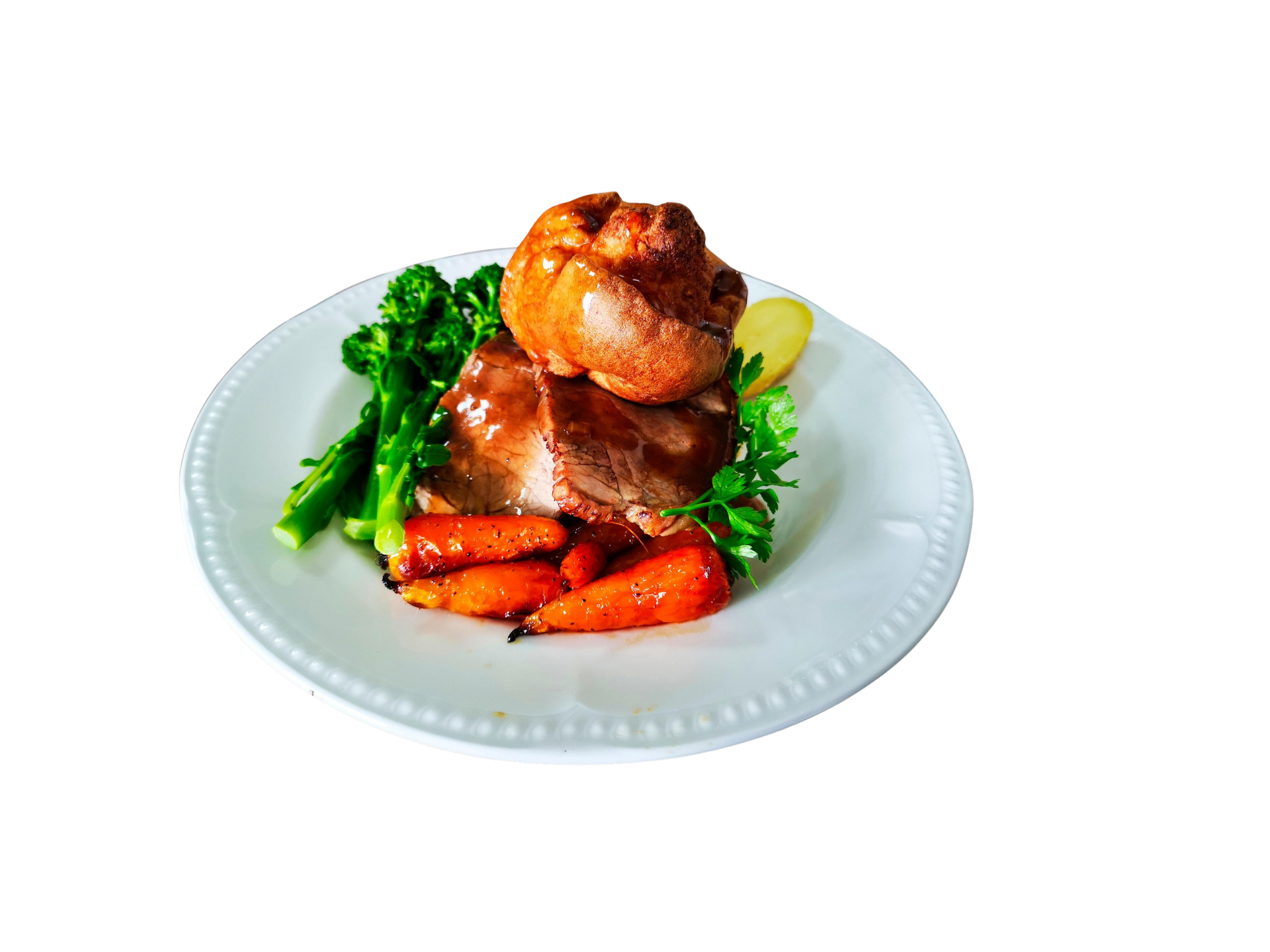
The plate: even a modified diet can look like dinner, not mush.
The kitchen’s role is bigger than the cooking
Dignity dining isn’t only the care team’s job. The kitchen sets the plate, the timing, the texture and the presentation — and those decide whether a resident recognises their food and wants to eat it. A pureed meal moulded back into shape, served on proper crockery, in a calm room, is a completely different experience to the same food scooped onto a tray in a noisy corridor.
Browse the full dining library
Twelve guides covering dignity at mealtimes, the dining room environment, social and dementia-friendly dining, adaptive tableware, personalisation, protected mealtimes, choice, modified-diet presentation, family dining, staff practice, and how to measure the experience.
If mealtimes feel rushed or clinical: start with the dining room environment and protected mealtimes. If residents are losing weight despite good food: look at texture and presentation, and dignity at the table. If you want to evidence quality: the measuring-experience guide is your yardstick.
Dignity at the table isn’t a nice-to-have. It’s the moment a resident knows whether this is a home or just a building that feeds them.
Why the dining experience is a care issue
Mealtimes are the emotional centre of a resident’s day. They are when independence shows, when company happens, when a person feels either like a guest or a task. Get the dining experience right and residents eat more, feel more, and stay well longer. Get it wrong and the best menu in the world is wasted on a resident who’s rushed, isolated, or infantilised at the table.
What dignity dining is made of
The room: calm, warm, set like a table not a ward.
The kit: cutlery and crockery that let residents feed themselves.
The company: social dining where wanted, quiet where needed.
The moment: staff who sit, slow down, and treat the meal as the priority.
The plate: even a modified diet can look like dinner, not mush.
The kitchen’s role is bigger than the cooking
Dignity dining isn’t only the care team’s job. The kitchen sets the plate, the timing, the texture and the presentation — and those decide whether a resident recognises their food and wants to eat it. A pureed meal moulded back into shape, served on proper crockery, in a calm room, is a completely different experience to the same food scooped onto a tray in a noisy corridor.
Browse the full dining library
Twelve guides covering dignity at mealtimes, the dining room environment, social and dementia-friendly dining, adaptive tableware, personalisation, protected mealtimes, choice, modified-diet presentation, family dining, staff practice, and how to measure the experience.
If mealtimes feel rushed or clinical: start with the dining room environment and protected mealtimes. If residents are losing weight despite good food: look at texture and presentation, and dignity at the table. If you want to evidence quality: the measuring-experience guide is your yardstick.
Dignity at the table isn’t a nice-to-have. It’s the moment a resident knows whether this is a home or just a building that feeds them.
Dignity Dining & the Dining Experience in Care Homes
The food can be perfect and the mealtime still wrong. Dignity dining is the difference between a resident who is fed and one who is cared for — and it lives in the room, the tableware, the company, and the hundred small human moments around the plate. This guide covers the whole dining experience: from the dining room environment to dementia-friendly settings, protected mealtimes, and how to measure whether any of it is actually working.
Why the dining experience is a care issue
Mealtimes are the emotional centre of a resident’s day. They are when independence shows, when company happens, when a person feels either like a guest or a task. Get the dining experience right and residents eat more, feel more, and stay well longer. Get it wrong and the best menu in the world is wasted on a resident who’s rushed, isolated, or infantilised at the table.
What dignity dining is made of
The room: calm, warm, set like a table not a ward.
The kit: cutlery and crockery that let residents feed themselves.
The company: social dining where wanted, quiet where needed.
The moment: staff who sit, slow down, and treat the meal as the priority.
The plate: even a modified diet can look like dinner, not mush.
The kitchen’s role is bigger than the cooking
Dignity dining isn’t only the care team’s job. The kitchen sets the plate, the timing, the texture and the presentation — and those decide whether a resident recognises their food and wants to eat it. A pureed meal moulded back into shape, served on proper crockery, in a calm room, is a completely different experience to the same food scooped onto a tray in a noisy corridor.
Browse the full dining library
Twelve guides covering dignity at mealtimes, the dining room environment, social and dementia-friendly dining, adaptive tableware, personalisation, protected mealtimes, choice, modified-diet presentation, family dining, staff practice, and how to measure the experience.
If mealtimes feel rushed or clinical: start with the dining room environment and protected mealtimes. If residents are losing weight despite good food: look at texture and presentation, and dignity at the table. If you want to evidence quality: the measuring-experience guide is your yardstick.
Dignity at the table isn’t a nice-to-have. It’s the moment a resident knows whether this is a home or just a building that feeds them.
Insights for Care Kitchens
Your Recipe for Care Catering Confidence
Practical insights, menus, and guidance for care kitchens covering nutrition, compliance, and day-to-day realities.
Thoughtful Content, sent Occasionally
No spam. Unsubscribe anytime.
Manage Consent
To provide the best experiences, we use technologies like cookies to store and/or access device information. Consenting to these technologies will allow us to process data such as browsing behavior or unique IDs on this site. Not consenting or withdrawing consent, may adversely affect certain features and functions.
Functional
Always active
The technical storage or access is strictly necessary for the legitimate purpose of enabling the use of a specific service explicitly requested by the subscriber or user, or for the sole purpose of carrying out the transmission of a communication over an electronic communications network.
Preferences
The technical storage or access is necessary for the legitimate purpose of storing preferences that are not requested by the subscriber or user.
Statistics
The technical storage or access that is used exclusively for statistical purposes.The technical storage or access that is used exclusively for anonymous statistical purposes. Without a subpoena, voluntary compliance on the part of your Internet Service Provider, or additional records from a third party, information stored or retrieved for this purpose alone cannot usually be used to identify you.
Marketing
The technical storage or access is required to create user profiles to send advertising, or to track the user on a website or across several websites for similar marketing purposes.