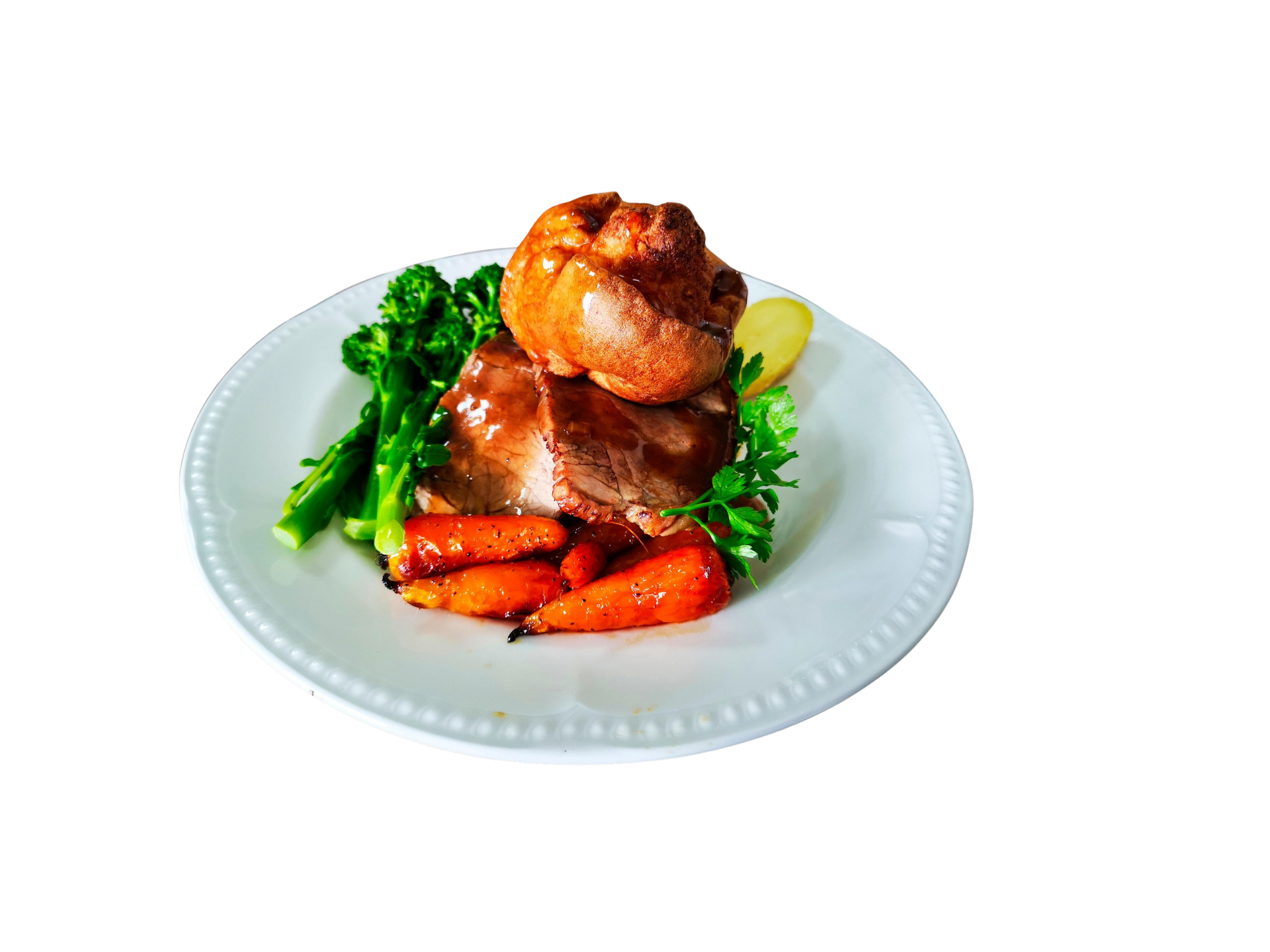
Texture-modified food has a reputation problem. When most people think of pureed meals, they picture unappetising blobs of beige mush. But it doesn’t have to be that way.
Good presentation matters. It affects whether residents eat their food, how much they enjoy it, and their overall quality of life. Here’s how to make dysphagia meals look as good as they taste.
Why Presentation Matters
We eat with our eyes first. If food looks unappetising, we’re less likely to eat it — even if it tastes good. For residents on texture-modified diets, this matters even more because:
- They may already have reduced appetite
- They can’t rely on visual cues like recognising a chicken breast
- Eating is one of the few pleasures available to them
- Good presentation shows dignity and respect
- CQC inspectors look at mealtime experience, not just nutrition
A well-presented pureed meal tells the resident: “We care about you. This meal was made for you, not just processed for you.”
The Basics of Dysphagia Food Presentation
Using Moulds for Shape and Recognition
Food moulds are one of the best investments for a dysphagia kitchen. They let you shape pureed food into recognisable forms — a chicken breast shape, a fish fillet shape, a carrot shape.
When a resident sees something that looks like a chicken breast on their plate, they recognise it as a meal. It gives them dignity and choice.
Presentation Ideas by Meal Type
Plating Techniques
The clock method
Plate food as if the plate is a clock face:
- Protein at 12 o’clock
- Starch (potato, rice) at 4 o’clock
- Vegetables at 8 o’clock
This gives a balanced, professional look and makes it easy for care staff to identify components.
Height and dimension
Flat food looks sad. Add height:
- Use moulds to create vertical elements
- Pipe mashed potato through a nozzle
- Stack components (like a mini fish pie)
- Use a small ramekin or ring mould as a base
Sauce work
Sauce isn’t just for flavour — it’s for presentation too:
- Drizzle in a circle around the plate
- Use a spoon to create dots or swooshes
- Pour into a pool and place food on top
- Use two colours of sauce for contrast
Common Presentation Mistakes
Everything on one plate, mixed together
This is the number one mistake. Separate components. Use colour. Make it look like a meal.
Too much food on the plate
Large portions of pureed food look overwhelming. Keep portions manageable. Residents can always ask for more.
No colour
Beige on beige on beige is depressing. Add green, orange, red, or yellow vegetables. Garnish with herbs.
Sloppy plating
Take an extra 30 seconds to wipe the rim of the plate. Straighten the garnish. Make it look intentional.
Ignoring temperature
Hot food served on a cold plate goes cold fast. Warm plates before serving. Serve food immediately after plating.
Dignified Dining: The Bigger Picture
Presentation isn’t just about making food look pretty. It’s about dignity.
Residents on texture-modified diets have lost a lot. They may not be able to chew, swallow normally, or eat the foods they love. But they should still be able to sit down to a meal that looks like a meal — not medical food.
When you take the time to present food well, you’re telling the resident:
- “You matter.”
- “We care about your experience.”
- “This meal was made with you in mind.”
That’s worth the extra effort.
Getting Your Team on Board
If your kitchen team has been serving unmoulded, mixed-together purees for years, changing the culture takes time. Here’s how:
- Start small: Pick one meal a day to present well. Build from there.
- Show examples: Print photos of well-presented dysphagia meals. Put them on the kitchen wall.
- Get feedback: Ask residents and care staff what they think. Share positive feedback with the kitchen team.
- Make it a competition: Run a “plate of the week” competition. Celebrate good presentation.
- Invest in equipment: Buy moulds, piping bags, and nice plates. Make it easy for staff to do the right thing.
Frequently Asked Questions
Does presentation really affect how much residents eat?
Yes. Multiple studies in care homes have shown that better food presentation increases food intake. Residents eat more when food looks appetising. This helps with nutrition and reduces waste.
How long does it take to plate food properly?
An extra 30-60 seconds per plate. If you’re using moulds, add a minute for chilling. It’s a small investment for a big improvement.
Do we need expensive equipment?
No. Silicone moulds cost £5-£15 each. Piping bags are cheap. White plates can be bought in bulk. The investment is minimal compared to the impact on residents.
What about residents with dementia who don’t recognise food shapes?
Even if a resident doesn’t cognitively recognise the shape, the visual appeal still matters. Bright colours and neat presentation stimulate appetite. And for residents who do recognise the shapes, it makes a huge difference.
How do we handle special occasions?
Special occasions deserve special presentation. Use festive moulds, add extra garnishes, use nice serviettes. Make Christmas, birthdays, and other celebrations feel different — even for residents on modified diets.
Need Help with Dysphagia Food Presentation?
KitchenFlow chefs are trained in dysphagia food presentation. We understand how to make texture-modified meals look appetising and dignified.
If you need kitchen cover from someone who cares about presentation, get in touch.