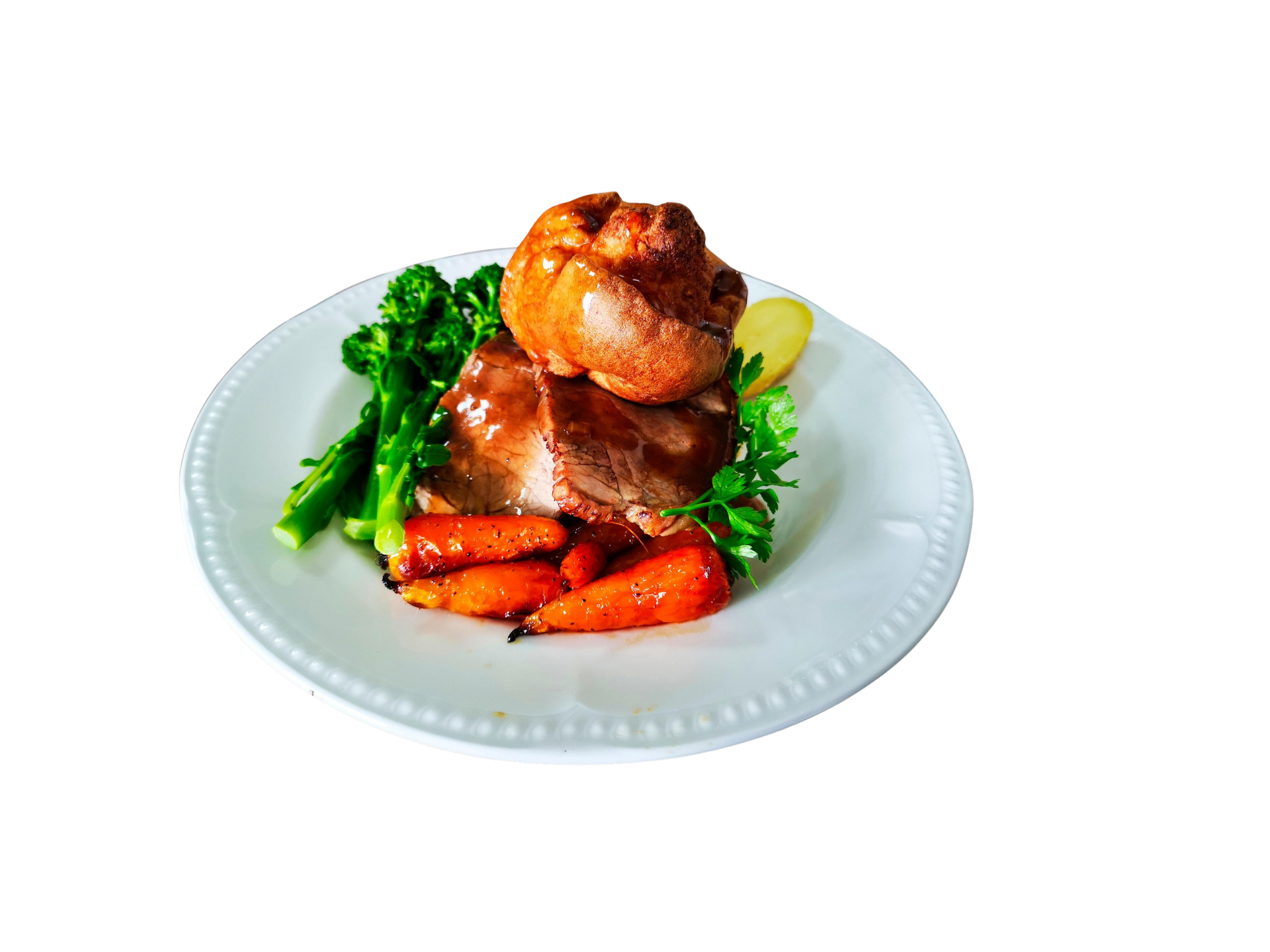
Hydration in Care Homes: More Than a Water Jug
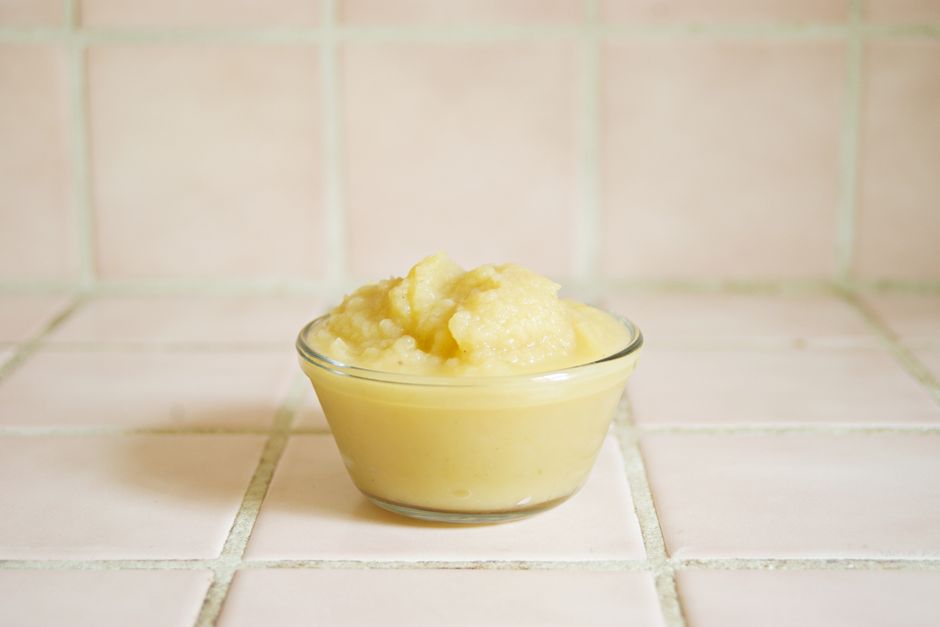
Dehydration sends more care home residents to hospital than almost anything else in the kitchen’s control. It’s silent, common, and preventable with a bit of routine.
Why it matters in a care home kitchen
- Older adults feel thirst later and hold less fluid
- Dementia and mobility issues mean they don’t just get a drink
- Aim for roughly 1.5–2L a day, more in hot weather
- Fluid comes from food too — soups, jelly, custard, fruit
- Dysphagia residents need thickened fluids, not less fluid
What actually works
Make drinks visible and easy
A jug within reach, frequent offers, not just mealtimes.
Build fluid into food
Soups, gravies, jelly, ice lollies, custard — all count.
Track the low drinkers
Same as food charting — flag who isn’t managing.
The bottom line
Hydration isn’t a jug on a tray. It’s a routine the whole home owns, kitchen included.
For the full picture across menu planning, hydration and nutrition standards, see our Meal & Nutrition in Care Homes guide.