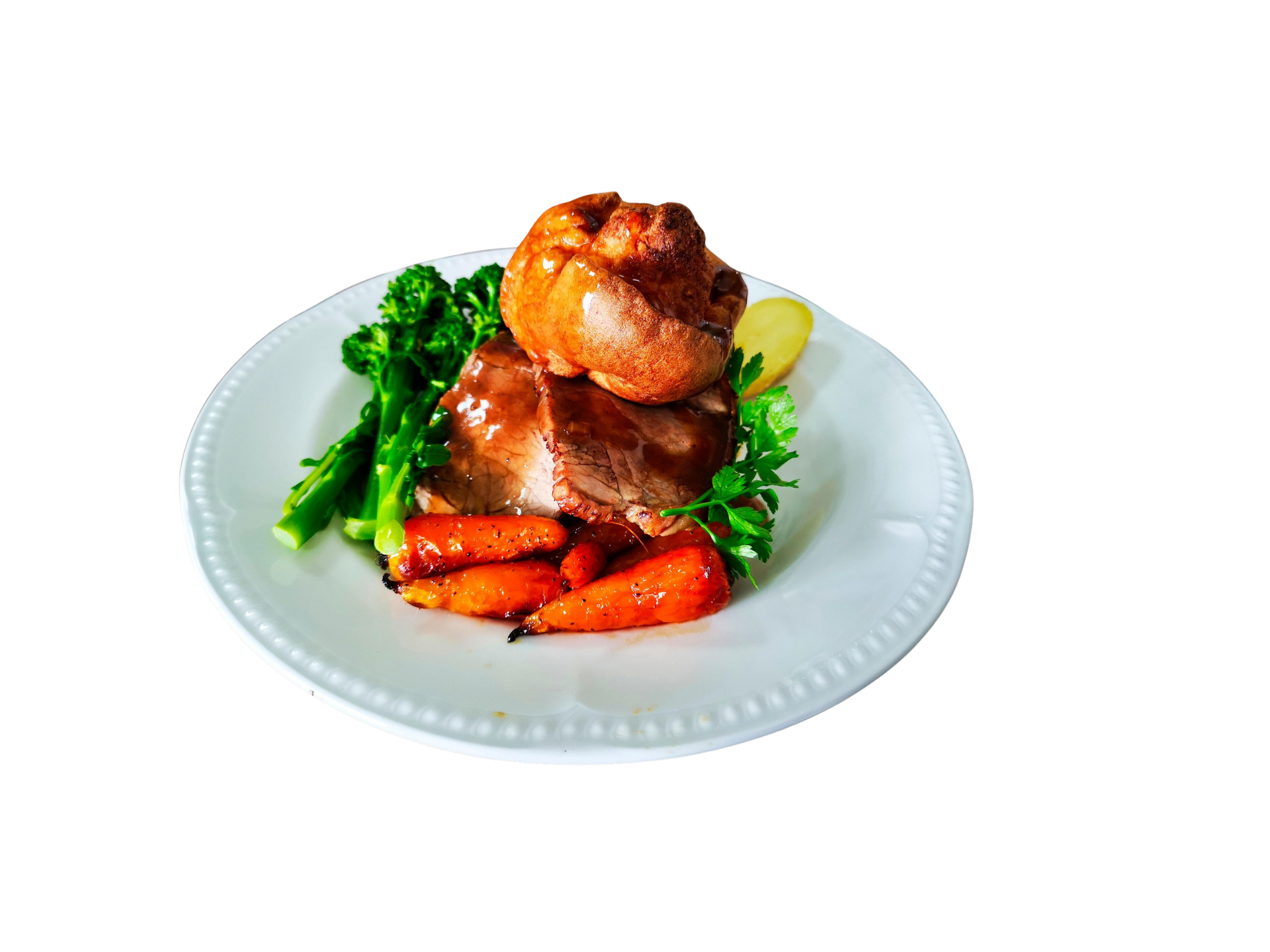
Protein Intake for Older Care Home Residents

Protein is the nutrient older residents most often miss. After 65, muscle is lost faster and rebuilt slower — and a care home resident who goes low on protein loses strength, balance and independence.
Why it matters in a care home kitchen
- Target roughly 1–1.2g protein per kg body weight per day
- Spread it across all meals — don’t pile it all on dinner
- Eggs, milk, cheese, meat, fish, pulses, yoghurt are your tools
- A portion at breakfast matters more than people think
- Fortified milk and puddings close the gap cheaply
What actually works
Protein at breakfast
Add an egg, baked beans, or fortified porridge. Most care home breakfasts are carb-heavy and protein-light.
Pudding is an opportunity
Custard, rice pudding, milk puddings — all protein carriers residents will finish.
Smoothie the rest
For poor eaters, a milky fortified drink between meals tops up what the plate missed.
The bottom line
You don’t need supplements first. You need protein on the plate at every meal — then top up the rest.
For the full picture across menu planning, hydration and nutrition standards, see our Meal & Nutrition in Care Homes guide.