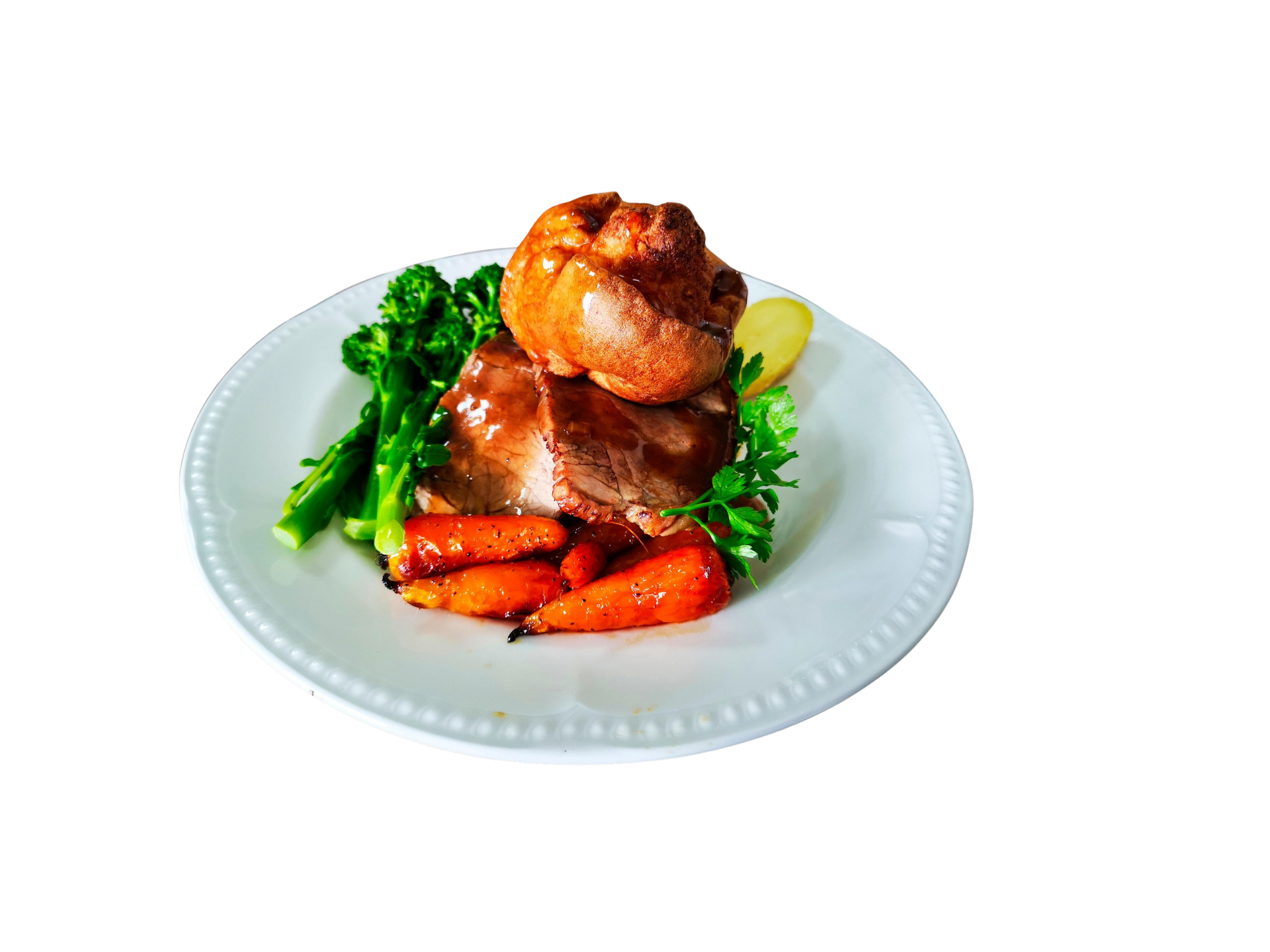
Level 6 is where things get interesting. Residents can chew again — but only soft foods, and only in small pieces. It’s a step up from Level 5, and getting the boundaries right matters.
Serve something too hard and it’s a choking risk. Serve something too soft and it’s actually Level 5. Here’s exactly what Level 6 means for your kitchen.
What Is IDDSI Level 6?
Level 6 is called “Soft and Bite-Sized.” Food comes in pieces no larger than 1.5cm x 1.5cm (about the size of a standard dice). The pieces must be soft enough to squash with the side of a fork — no real chewing power needed.
Residents at this level have some chewing ability. They’ve moved past minced food but aren’t ready for full-sized portions of regular food. Think of it as a transition level.
The IDDSI Standard for Level 6
According to IDDSI, Level 6 food must:
- Come in pieces no larger than 1.5cm x 1.5cm
- Be soft enough to squash with the side of a fork
- Not require biting (food is already in small pieces)
- Not be hard, tough, stringy, or crunchy
- Be eaten with a fork (not finger food)
- Not release liquid when squeezed
The key difference from Level 5: bigger pieces (1.5cm vs 4mm). The key difference from Level 7: food must still be soft and in controlled sizes.
How to Test Level 6 Food
The Spoon Side Pressure Test
Press food with the side of a spoon (or fork). It should:
- Break apart easily
- Not bounce back
- Not require significant pressure
If you have to press hard, it’s too firm. If it doesn’t break apart, it’s not Level 6.
Size Check
Pieces must be no larger than 1.5cm x 1.5cm. A standard dice is about this size. Use a ruler or size guide if you’re unsure.
If pieces are larger, cut them smaller. If they’re much smaller (4mm), you’re at Level 5 instead.
Foods That Work at Level 6
Proteins
- Tender diced chicken (slow-cooked, cut to 1.5cm)
- Flaked fish (check for bones)
- Soft meatballs (cut in half or quarters)
- Scrambled egg (soft curds)
- Soft beans and lentils
- Tofu cubes
Vegetables
- Well-cooked carrot cubes
- Soft broccoli florets (small pieces)
- Steamed cauliflower pieces
- Soft diced sweet potato
- Peas (if soft enough)
- Soft courgette pieces
Grains and Starches
- Soft pasta shapes (fusilli, penne, macaroni)
- Rice (well-cooked)
- Couscous
- Soft bread (crusts removed, cut small)
- Mashed potato (can be served alongside)
Fruits
- Soft diced banana
- Stewed apple or pear pieces
- Soft melon cubes
- Canned fruit in juice (peaches, pears)
- Berry halves (if soft enough)
Foods to Avoid at Level 6
These are too hard, tough, or risky for Level 6:
- Tough or stringy meat (steak, roast beef)
- Raw vegetables (carrot sticks, celery)
- Hard fruits (apples unless cooked)
- Nuts and seeds
- Crispy or crunchy foods (chips, toast, biscuits)
- Stringy foods (celery, pineapple, mango)
- Foods with skins (grapes, sausages — unless skinned)
- Sticky foods (toffee, peanut butter)
- Mixed textures (cereal with milk, soup with large chunks)
Level 6 vs Level 5 vs Level 7
| Feature | Level 5 | Level 6 | Level 7 |
|---|---|---|---|
| Piece size | Max 4mm x 4mm | Max 1.5cm x 1.5cm | Normal sizes |
| Texture | Minced, very soft | Soft bite-sized | Soft, easy to chew |
| Chewing needed | Minimal | Some | Yes, but easy |
| Can bite off | No | No (pre-cut) | Yes |
| Test | Fork pressure | Spoon side pressure | Tongue test |
| Examples | Minced beef in gravy | Soft diced chicken | Tender roast chicken |
Sample Level 6 Menu
Breakfast
- Soft scrambled eggs on toast soldiers (crusts removed)
- Porridge with soft diced banana
- Yoghurt with soft fruit pieces
Lunch
- Soft pasta shapes with bolognese sauce (minced meat)
- Fish pie with soft vegetables
- Soft sandwich fillings on thin bread (crusts removed, cut into small pieces)
Dinner
- Tender diced chicken in creamy sauce with soft rice
- Soft meatballs in tomato sauce with mashed potato
- Flaked fish with soft vegetables and mashed potato
Desserts
- Stewed fruit with custard
- Soft sponge cake with cream
- Rice pudding
- Yoghurt with soft berries
Common Mistakes at Level 6
Pieces too large
The most common mistake. If pieces are bigger than 1.5cm, they’re not Level 6. Cut food carefully and check size.
Food too hard
Even if the size is right, food that’s too firm is dangerous. Always use the spoon side pressure test.
Allowing biting
Level 6 food is pre-cut. Residents shouldn’t need to bite into pieces. If they’re biting, the pieces are too big or they need a different level.
Serving tough protein
Meat must be very tender. Slow-cook, braise, or use mince. If a piece of chicken is chewy, it fails the test even if it’s the right size.
Tips for Kitchen Staff
- Use a template: Cut a 1.5cm square on a board as a visual guide for piece size.
- Test every batch: Size and texture both need checking.
- Cook proteins slowly: Braising and slow-cooking give the most tender results.
- Remove skins and bones: Check fish carefully. Remove chicken skin. Peel fruits if needed.
- Keep it moist: Serve with sauce, gravy, or cream. Dry food is harder to swallow.
- Document: Record testing results for every batch.
Frequently Asked Questions
Can a resident move from Level 5 to Level 6?
Only if assessed by a speech and language therapist. Don’t change levels without professional guidance. Moving too fast is a choking risk.
Can Level 6 residents eat toast?
Regular toast is too hard and crunchy. If the resident wants toast, serve it very lightly toasted, cut into small pieces, and test that it passes the spoon side pressure test. Soft bread is usually a better choice.
Can Level 6 residents eat raw fruit?
Only if it’s very soft (like ripe banana or melon). Hard fruits like apples need to be cooked first. Always test with the spoon side pressure test.
What about pizza?
Traditional pizza has mixed textures (crispy base, stringy cheese, tough meat) that don’t work at Level 6. You could make a soft flatbread with sauce, cheese, and soft toppings, cut into small pieces. But test it first.
How do I know when a resident is ready for Level 7?
You don’t — the speech and language therapist decides. Watch for signs that Level 6 is too easy: resident eating quickly, asking for larger pieces, or managing well. Report this to the care team.
Need Kitchen Support?
KitchenFlow provides IDDSI-trained chefs and kitchen assistants for care homes. We understand all texture-modified diet levels and can support your team.