Train the plating
The pass sets the dignity of the modified meal.
The bottom line
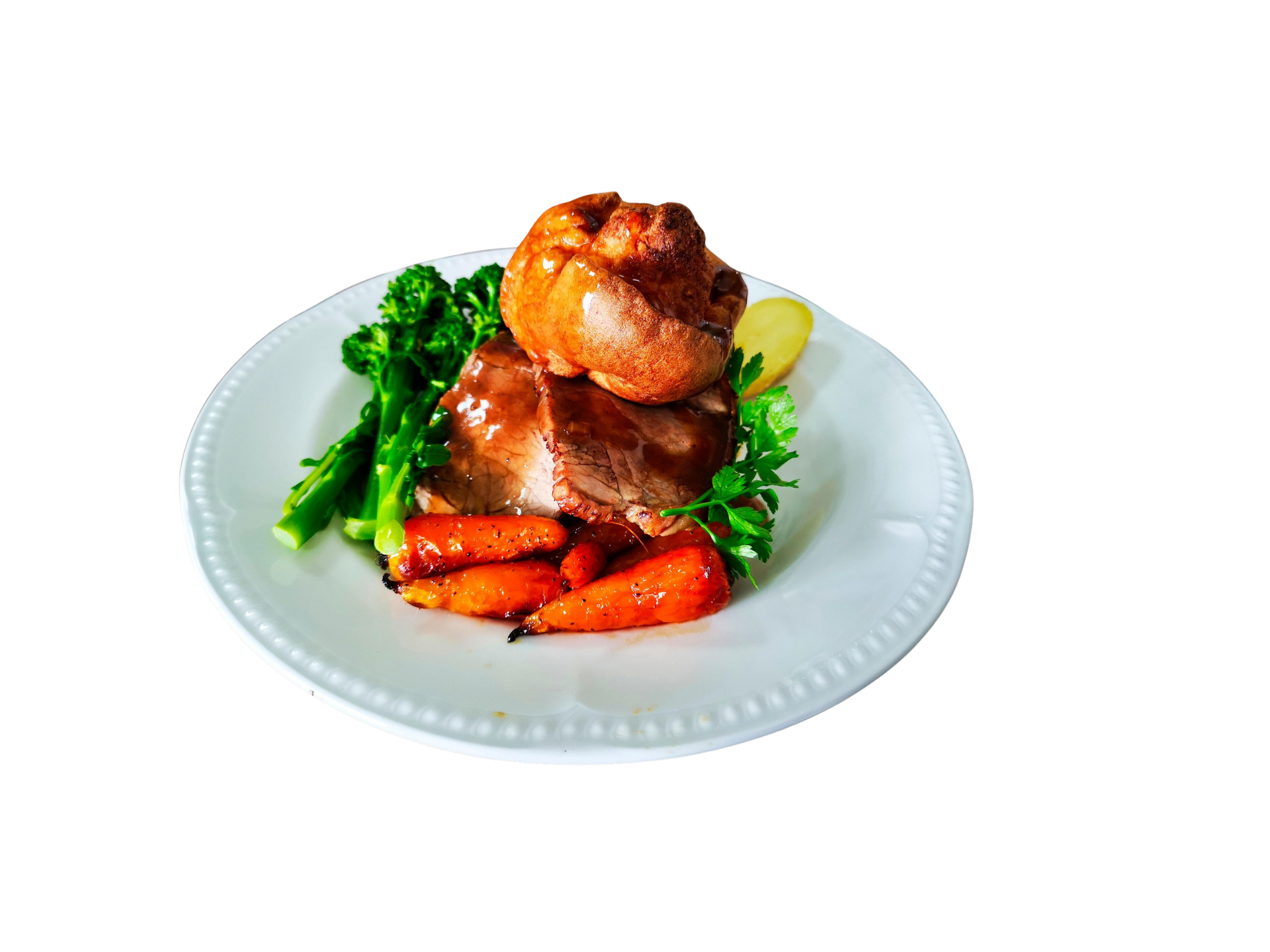
On a modified diet, presentation is care. A plate that looks like food is a resident who eats it — and keeps their weight.
For the full picture across dignity, environment and the mealtime moment, see our Dignity Dining & Dining Experience guide.
A plate with three colours eats better than one.
Train the plating
The pass sets the dignity of the modified meal.
The bottom line
On a modified diet, presentation is care. A plate that looks like food is a resident who eats it — and keeps their weight.
For the full picture across dignity, environment and the mealtime moment, see our Dignity Dining & Dining Experience guide.
Colour counts
A plate with three colours eats better than one.
Train the plating
The pass sets the dignity of the modified meal.
The bottom line
On a modified diet, presentation is care. A plate that looks like food is a resident who eats it — and keeps their weight.
For the full picture across dignity, environment and the mealtime moment, see our Dignity Dining & Dining Experience guide.
Shape changes recognition, which changes intake.
Colour counts
A plate with three colours eats better than one.
Train the plating
The pass sets the dignity of the modified meal.
The bottom line
On a modified diet, presentation is care. A plate that looks like food is a resident who eats it — and keeps their weight.
For the full picture across dignity, environment and the mealtime moment, see our Dignity Dining & Dining Experience guide.
Mould, don’t scoop
Shape changes recognition, which changes intake.
Colour counts
A plate with three colours eats better than one.
Train the plating
The pass sets the dignity of the modified meal.
The bottom line
On a modified diet, presentation is care. A plate that looks like food is a resident who eats it — and keeps their weight.
For the full picture across dignity, environment and the mealtime moment, see our Dignity Dining & Dining Experience guide.
How to get it right
Mould, don’t scoop
Shape changes recognition, which changes intake.
Colour counts
A plate with three colours eats better than one.
Train the plating
The pass sets the dignity of the modified meal.
The bottom line
On a modified diet, presentation is care. A plate that looks like food is a resident who eats it — and keeps their weight.
For the full picture across dignity, environment and the mealtime moment, see our Dignity Dining & Dining Experience guide.
How to get it right
Mould, don’t scoop
Shape changes recognition, which changes intake.
Colour counts
A plate with three colours eats better than one.
Train the plating
The pass sets the dignity of the modified meal.
The bottom line
On a modified diet, presentation is care. A plate that looks like food is a resident who eats it — and keeps their weight.
For the full picture across dignity, environment and the mealtime moment, see our Dignity Dining & Dining Experience guide.
Train the plating
The pass sets the dignity of the modified meal.
The bottom line
On a modified diet, presentation is care. A plate that looks like food is a resident who eats it — and keeps their weight.
For the full picture across dignity, environment and the mealtime moment, see our Dignity Dining & Dining Experience guide.
A plate with three colours eats better than one.
Train the plating
The pass sets the dignity of the modified meal.
The bottom line
On a modified diet, presentation is care. A plate that looks like food is a resident who eats it — and keeps their weight.
For the full picture across dignity, environment and the mealtime moment, see our Dignity Dining & Dining Experience guide.
Colour counts
A plate with three colours eats better than one.
Train the plating
The pass sets the dignity of the modified meal.
The bottom line
On a modified diet, presentation is care. A plate that looks like food is a resident who eats it — and keeps their weight.
For the full picture across dignity, environment and the mealtime moment, see our Dignity Dining & Dining Experience guide.
Shape changes recognition, which changes intake.
Colour counts
A plate with three colours eats better than one.
Train the plating
The pass sets the dignity of the modified meal.
The bottom line
On a modified diet, presentation is care. A plate that looks like food is a resident who eats it — and keeps their weight.
For the full picture across dignity, environment and the mealtime moment, see our Dignity Dining & Dining Experience guide.
Mould, don’t scoop
Shape changes recognition, which changes intake.
Colour counts
A plate with three colours eats better than one.
Train the plating
The pass sets the dignity of the modified meal.
The bottom line
On a modified diet, presentation is care. A plate that looks like food is a resident who eats it — and keeps their weight.
For the full picture across dignity, environment and the mealtime moment, see our Dignity Dining & Dining Experience guide.
How to get it right
Mould, don’t scoop
Shape changes recognition, which changes intake.
Colour counts
A plate with three colours eats better than one.
Train the plating
The pass sets the dignity of the modified meal.
The bottom line
On a modified diet, presentation is care. A plate that looks like food is a resident who eats it — and keeps their weight.
For the full picture across dignity, environment and the mealtime moment, see our Dignity Dining & Dining Experience guide.
How to get it right
Mould, don’t scoop
Shape changes recognition, which changes intake.
Colour counts
A plate with three colours eats better than one.
Train the plating
The pass sets the dignity of the modified meal.
The bottom line
On a modified diet, presentation is care. A plate that looks like food is a resident who eats it — and keeps their weight.
For the full picture across dignity, environment and the mealtime moment, see our Dignity Dining & Dining Experience guide.
Colour counts
A plate with three colours eats better than one.
Train the plating
The pass sets the dignity of the modified meal.
The bottom line
On a modified diet, presentation is care. A plate that looks like food is a resident who eats it — and keeps their weight.
For the full picture across dignity, environment and the mealtime moment, see our Dignity Dining & Dining Experience guide.
Texture, Presentation & Dignity on a Modified Diet
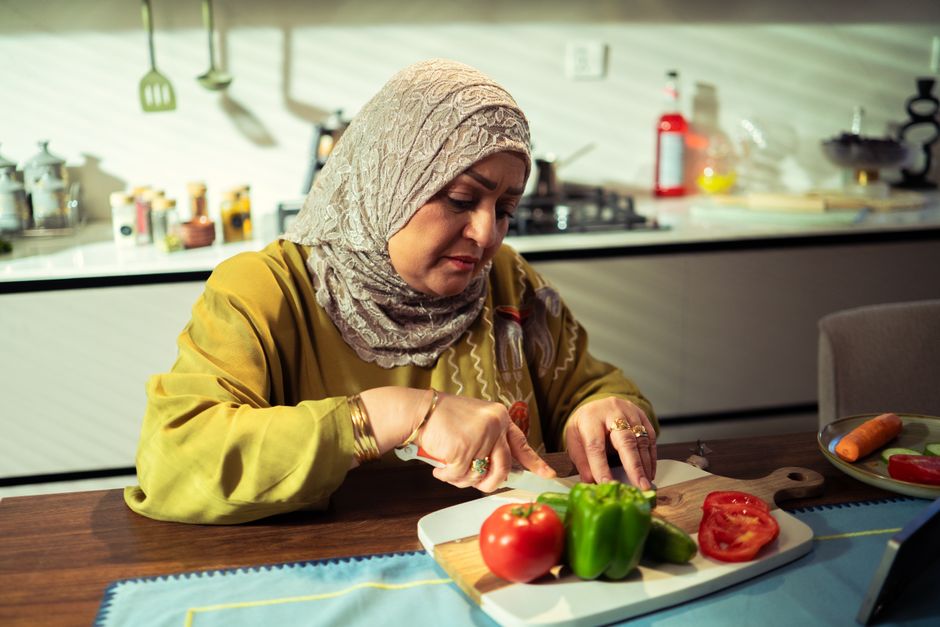
A pureed plate can still look like dinner. Presentation on a modified diet is not vanity — it’s the difference between a resident who recognises their food and one who pushes it away.
What it looks like in practice
- Mould food back into its shape — mash as potato, puree as pie
- Sauce on top, not pooled; colour on the plate
- Avoid the ‘beige scoop’ that reads as hospital mush
- Consistent, appetising plating across the home
- See our dysphagia equipment and nutrition guides
How to get it right
Mould, don’t scoop
Shape changes recognition, which changes intake.
Colour counts
A plate with three colours eats better than one.
Train the plating
The pass sets the dignity of the modified meal.
The bottom line
On a modified diet, presentation is care. A plate that looks like food is a resident who eats it — and keeps their weight.
For the full picture across dignity, environment and the mealtime moment, see our Dignity Dining & Dining Experience guide.
Shape changes recognition, which changes intake.
Colour counts
A plate with three colours eats better than one.
Train the plating
The pass sets the dignity of the modified meal.
The bottom line
On a modified diet, presentation is care. A plate that looks like food is a resident who eats it — and keeps their weight.
For the full picture across dignity, environment and the mealtime moment, see our Dignity Dining & Dining Experience guide.
Texture, Presentation & Dignity on a Modified Diet
A pureed plate can still look like dinner. Presentation on a modified diet is not vanity — it’s the difference between a resident who recognises their food and one who pushes it away.
What it looks like in practice
- Mould food back into its shape — mash as potato, puree as pie
- Sauce on top, not pooled; colour on the plate
- Avoid the ‘beige scoop’ that reads as hospital mush
- Consistent, appetising plating across the home
- See our dysphagia equipment and nutrition guides
How to get it right
Mould, don’t scoop
Shape changes recognition, which changes intake.
Colour counts
A plate with three colours eats better than one.
Train the plating
The pass sets the dignity of the modified meal.
The bottom line
On a modified diet, presentation is care. A plate that looks like food is a resident who eats it — and keeps their weight.
For the full picture across dignity, environment and the mealtime moment, see our Dignity Dining & Dining Experience guide.
Mould, don’t scoop
Shape changes recognition, which changes intake.
Colour counts
A plate with three colours eats better than one.
Train the plating
The pass sets the dignity of the modified meal.
The bottom line
On a modified diet, presentation is care. A plate that looks like food is a resident who eats it — and keeps their weight.
For the full picture across dignity, environment and the mealtime moment, see our Dignity Dining & Dining Experience guide.
Texture, Presentation & Dignity on a Modified Diet
A pureed plate can still look like dinner. Presentation on a modified diet is not vanity — it’s the difference between a resident who recognises their food and one who pushes it away.
What it looks like in practice
- Mould food back into its shape — mash as potato, puree as pie
- Sauce on top, not pooled; colour on the plate
- Avoid the ‘beige scoop’ that reads as hospital mush
- Consistent, appetising plating across the home
- See our dysphagia equipment and nutrition guides
How to get it right
Mould, don’t scoop
Shape changes recognition, which changes intake.
Colour counts
A plate with three colours eats better than one.
Train the plating
The pass sets the dignity of the modified meal.
The bottom line
On a modified diet, presentation is care. A plate that looks like food is a resident who eats it — and keeps their weight.
For the full picture across dignity, environment and the mealtime moment, see our Dignity Dining & Dining Experience guide.
How to get it right
Mould, don’t scoop
Shape changes recognition, which changes intake.
Colour counts
A plate with three colours eats better than one.
Train the plating
The pass sets the dignity of the modified meal.
The bottom line
On a modified diet, presentation is care. A plate that looks like food is a resident who eats it — and keeps their weight.
For the full picture across dignity, environment and the mealtime moment, see our Dignity Dining & Dining Experience guide.
Texture, Presentation & Dignity on a Modified Diet
A pureed plate can still look like dinner. Presentation on a modified diet is not vanity — it’s the difference between a resident who recognises their food and one who pushes it away.
What it looks like in practice
- Mould food back into its shape — mash as potato, puree as pie
- Sauce on top, not pooled; colour on the plate
- Avoid the ‘beige scoop’ that reads as hospital mush
- Consistent, appetising plating across the home
- See our dysphagia equipment and nutrition guides
How to get it right
Mould, don’t scoop
Shape changes recognition, which changes intake.
Colour counts
A plate with three colours eats better than one.
Train the plating
The pass sets the dignity of the modified meal.
The bottom line
On a modified diet, presentation is care. A plate that looks like food is a resident who eats it — and keeps their weight.
For the full picture across dignity, environment and the mealtime moment, see our Dignity Dining & Dining Experience guide.
How to get it right
Mould, don’t scoop
Shape changes recognition, which changes intake.
Colour counts
A plate with three colours eats better than one.
Train the plating
The pass sets the dignity of the modified meal.
The bottom line
On a modified diet, presentation is care. A plate that looks like food is a resident who eats it — and keeps their weight.
For the full picture across dignity, environment and the mealtime moment, see our Dignity Dining & Dining Experience guide.
Texture, Presentation & Dignity on a Modified Diet
A pureed plate can still look like dinner. Presentation on a modified diet is not vanity — it’s the difference between a resident who recognises their food and one who pushes it away.
What it looks like in practice
- Mould food back into its shape — mash as potato, puree as pie
- Sauce on top, not pooled; colour on the plate
- Avoid the ‘beige scoop’ that reads as hospital mush
- Consistent, appetising plating across the home
- See our dysphagia equipment and nutrition guides
How to get it right
Mould, don’t scoop
Shape changes recognition, which changes intake.
Colour counts
A plate with three colours eats better than one.
Train the plating
The pass sets the dignity of the modified meal.
The bottom line
On a modified diet, presentation is care. A plate that looks like food is a resident who eats it — and keeps their weight.
For the full picture across dignity, environment and the mealtime moment, see our Dignity Dining & Dining Experience guide.
Colour counts
A plate with three colours eats better than one.
Train the plating
The pass sets the dignity of the modified meal.
The bottom line
On a modified diet, presentation is care. A plate that looks like food is a resident who eats it — and keeps their weight.
For the full picture across dignity, environment and the mealtime moment, see our Dignity Dining & Dining Experience guide.
How to get it right
Mould, don’t scoop
Shape changes recognition, which changes intake.
Colour counts
A plate with three colours eats better than one.
Train the plating
The pass sets the dignity of the modified meal.
The bottom line
On a modified diet, presentation is care. A plate that looks like food is a resident who eats it — and keeps their weight.
For the full picture across dignity, environment and the mealtime moment, see our Dignity Dining & Dining Experience guide.
Texture, Presentation & Dignity on a Modified Diet
A pureed plate can still look like dinner. Presentation on a modified diet is not vanity — it’s the difference between a resident who recognises their food and one who pushes it away.
What it looks like in practice
- Mould food back into its shape — mash as potato, puree as pie
- Sauce on top, not pooled; colour on the plate
- Avoid the ‘beige scoop’ that reads as hospital mush
- Consistent, appetising plating across the home
- See our dysphagia equipment and nutrition guides
How to get it right
Mould, don’t scoop
Shape changes recognition, which changes intake.
Colour counts
A plate with three colours eats better than one.
Train the plating
The pass sets the dignity of the modified meal.
The bottom line
On a modified diet, presentation is care. A plate that looks like food is a resident who eats it — and keeps their weight.
For the full picture across dignity, environment and the mealtime moment, see our Dignity Dining & Dining Experience guide.
Shape changes recognition, which changes intake.
Colour counts
A plate with three colours eats better than one.
Train the plating
The pass sets the dignity of the modified meal.
The bottom line
On a modified diet, presentation is care. A plate that looks like food is a resident who eats it — and keeps their weight.
For the full picture across dignity, environment and the mealtime moment, see our Dignity Dining & Dining Experience guide.
How to get it right
Mould, don’t scoop
Shape changes recognition, which changes intake.
Colour counts
A plate with three colours eats better than one.
Train the plating
The pass sets the dignity of the modified meal.
The bottom line
On a modified diet, presentation is care. A plate that looks like food is a resident who eats it — and keeps their weight.
For the full picture across dignity, environment and the mealtime moment, see our Dignity Dining & Dining Experience guide.
Texture, Presentation & Dignity on a Modified Diet
A pureed plate can still look like dinner. Presentation on a modified diet is not vanity — it’s the difference between a resident who recognises their food and one who pushes it away.
What it looks like in practice
- Mould food back into its shape — mash as potato, puree as pie
- Sauce on top, not pooled; colour on the plate
- Avoid the ‘beige scoop’ that reads as hospital mush
- Consistent, appetising plating across the home
- See our dysphagia equipment and nutrition guides
How to get it right
Mould, don’t scoop
Shape changes recognition, which changes intake.
Colour counts
A plate with three colours eats better than one.
Train the plating
The pass sets the dignity of the modified meal.
The bottom line
On a modified diet, presentation is care. A plate that looks like food is a resident who eats it — and keeps their weight.
For the full picture across dignity, environment and the mealtime moment, see our Dignity Dining & Dining Experience guide.
Mould, don’t scoop
Shape changes recognition, which changes intake.
Colour counts
A plate with three colours eats better than one.
Train the plating
The pass sets the dignity of the modified meal.
The bottom line
On a modified diet, presentation is care. A plate that looks like food is a resident who eats it — and keeps their weight.
For the full picture across dignity, environment and the mealtime moment, see our Dignity Dining & Dining Experience guide.
How to get it right
Mould, don’t scoop
Shape changes recognition, which changes intake.
Colour counts
A plate with three colours eats better than one.
Train the plating
The pass sets the dignity of the modified meal.
The bottom line
On a modified diet, presentation is care. A plate that looks like food is a resident who eats it — and keeps their weight.
For the full picture across dignity, environment and the mealtime moment, see our Dignity Dining & Dining Experience guide.
Texture, Presentation & Dignity on a Modified Diet
A pureed plate can still look like dinner. Presentation on a modified diet is not vanity — it’s the difference between a resident who recognises their food and one who pushes it away.
What it looks like in practice
- Mould food back into its shape — mash as potato, puree as pie
- Sauce on top, not pooled; colour on the plate
- Avoid the ‘beige scoop’ that reads as hospital mush
- Consistent, appetising plating across the home
- See our dysphagia equipment and nutrition guides
How to get it right
Mould, don’t scoop
Shape changes recognition, which changes intake.
Colour counts
A plate with three colours eats better than one.
Train the plating
The pass sets the dignity of the modified meal.
The bottom line
On a modified diet, presentation is care. A plate that looks like food is a resident who eats it — and keeps their weight.
For the full picture across dignity, environment and the mealtime moment, see our Dignity Dining & Dining Experience guide.
How to get it right
Mould, don’t scoop
Shape changes recognition, which changes intake.
Colour counts
A plate with three colours eats better than one.
Train the plating
The pass sets the dignity of the modified meal.
The bottom line
On a modified diet, presentation is care. A plate that looks like food is a resident who eats it — and keeps their weight.
For the full picture across dignity, environment and the mealtime moment, see our Dignity Dining & Dining Experience guide.
How to get it right
Mould, don’t scoop
Shape changes recognition, which changes intake.
Colour counts
A plate with three colours eats better than one.
Train the plating
The pass sets the dignity of the modified meal.
The bottom line
On a modified diet, presentation is care. A plate that looks like food is a resident who eats it — and keeps their weight.
For the full picture across dignity, environment and the mealtime moment, see our Dignity Dining & Dining Experience guide.
Texture, Presentation & Dignity on a Modified Diet
A pureed plate can still look like dinner. Presentation on a modified diet is not vanity — it’s the difference between a resident who recognises their food and one who pushes it away.
What it looks like in practice
- Mould food back into its shape — mash as potato, puree as pie
- Sauce on top, not pooled; colour on the plate
- Avoid the ‘beige scoop’ that reads as hospital mush
- Consistent, appetising plating across the home
- See our dysphagia equipment and nutrition guides
How to get it right
Mould, don’t scoop
Shape changes recognition, which changes intake.
Colour counts
A plate with three colours eats better than one.
Train the plating
The pass sets the dignity of the modified meal.
The bottom line
On a modified diet, presentation is care. A plate that looks like food is a resident who eats it — and keeps their weight.
For the full picture across dignity, environment and the mealtime moment, see our Dignity Dining & Dining Experience guide.
Colour counts
A plate with three colours eats better than one.
Train the plating
The pass sets the dignity of the modified meal.
The bottom line
On a modified diet, presentation is care. A plate that looks like food is a resident who eats it — and keeps their weight.
For the full picture across dignity, environment and the mealtime moment, see our Dignity Dining & Dining Experience guide.
How to get it right
Mould, don’t scoop
Shape changes recognition, which changes intake.
Colour counts
A plate with three colours eats better than one.
Train the plating
The pass sets the dignity of the modified meal.
The bottom line
On a modified diet, presentation is care. A plate that looks like food is a resident who eats it — and keeps their weight.
For the full picture across dignity, environment and the mealtime moment, see our Dignity Dining & Dining Experience guide.
How to get it right
Mould, don’t scoop
Shape changes recognition, which changes intake.
Colour counts
A plate with three colours eats better than one.
Train the plating
The pass sets the dignity of the modified meal.
The bottom line
On a modified diet, presentation is care. A plate that looks like food is a resident who eats it — and keeps their weight.
For the full picture across dignity, environment and the mealtime moment, see our Dignity Dining & Dining Experience guide.
Texture, Presentation & Dignity on a Modified Diet
A pureed plate can still look like dinner. Presentation on a modified diet is not vanity — it’s the difference between a resident who recognises their food and one who pushes it away.
What it looks like in practice
- Mould food back into its shape — mash as potato, puree as pie
- Sauce on top, not pooled; colour on the plate
- Avoid the ‘beige scoop’ that reads as hospital mush
- Consistent, appetising plating across the home
- See our dysphagia equipment and nutrition guides
How to get it right
Mould, don’t scoop
Shape changes recognition, which changes intake.
Colour counts
A plate with three colours eats better than one.
Train the plating
The pass sets the dignity of the modified meal.
The bottom line
On a modified diet, presentation is care. A plate that looks like food is a resident who eats it — and keeps their weight.
For the full picture across dignity, environment and the mealtime moment, see our Dignity Dining & Dining Experience guide.
Shape changes recognition, which changes intake.
Colour counts
A plate with three colours eats better than one.
Train the plating
The pass sets the dignity of the modified meal.
The bottom line
On a modified diet, presentation is care. A plate that looks like food is a resident who eats it — and keeps their weight.
For the full picture across dignity, environment and the mealtime moment, see our Dignity Dining & Dining Experience guide.
How to get it right
Mould, don’t scoop
Shape changes recognition, which changes intake.
Colour counts
A plate with three colours eats better than one.
Train the plating
The pass sets the dignity of the modified meal.
The bottom line
On a modified diet, presentation is care. A plate that looks like food is a resident who eats it — and keeps their weight.
For the full picture across dignity, environment and the mealtime moment, see our Dignity Dining & Dining Experience guide.
How to get it right
Mould, don’t scoop
Shape changes recognition, which changes intake.
Colour counts
A plate with three colours eats better than one.
Train the plating
The pass sets the dignity of the modified meal.
The bottom line
On a modified diet, presentation is care. A plate that looks like food is a resident who eats it — and keeps their weight.
For the full picture across dignity, environment and the mealtime moment, see our Dignity Dining & Dining Experience guide.
Texture, Presentation & Dignity on a Modified Diet
A pureed plate can still look like dinner. Presentation on a modified diet is not vanity — it’s the difference between a resident who recognises their food and one who pushes it away.
What it looks like in practice
- Mould food back into its shape — mash as potato, puree as pie
- Sauce on top, not pooled; colour on the plate
- Avoid the ‘beige scoop’ that reads as hospital mush
- Consistent, appetising plating across the home
- See our dysphagia equipment and nutrition guides
How to get it right
Mould, don’t scoop
Shape changes recognition, which changes intake.
Colour counts
A plate with three colours eats better than one.
Train the plating
The pass sets the dignity of the modified meal.
The bottom line
On a modified diet, presentation is care. A plate that looks like food is a resident who eats it — and keeps their weight.
For the full picture across dignity, environment and the mealtime moment, see our Dignity Dining & Dining Experience guide.
Mould, don’t scoop
Shape changes recognition, which changes intake.
Colour counts
A plate with three colours eats better than one.
Train the plating
The pass sets the dignity of the modified meal.
The bottom line
On a modified diet, presentation is care. A plate that looks like food is a resident who eats it — and keeps their weight.
For the full picture across dignity, environment and the mealtime moment, see our Dignity Dining & Dining Experience guide.
How to get it right
Mould, don’t scoop
Shape changes recognition, which changes intake.
Colour counts
A plate with three colours eats better than one.
Train the plating
The pass sets the dignity of the modified meal.
The bottom line
On a modified diet, presentation is care. A plate that looks like food is a resident who eats it — and keeps their weight.
For the full picture across dignity, environment and the mealtime moment, see our Dignity Dining & Dining Experience guide.
How to get it right
Mould, don’t scoop
Shape changes recognition, which changes intake.
Colour counts
A plate with three colours eats better than one.
Train the plating
The pass sets the dignity of the modified meal.
The bottom line
On a modified diet, presentation is care. A plate that looks like food is a resident who eats it — and keeps their weight.
For the full picture across dignity, environment and the mealtime moment, see our Dignity Dining & Dining Experience guide.
Texture, Presentation & Dignity on a Modified Diet
A pureed plate can still look like dinner. Presentation on a modified diet is not vanity — it’s the difference between a resident who recognises their food and one who pushes it away.
What it looks like in practice
- Mould food back into its shape — mash as potato, puree as pie
- Sauce on top, not pooled; colour on the plate
- Avoid the ‘beige scoop’ that reads as hospital mush
- Consistent, appetising plating across the home
- See our dysphagia equipment and nutrition guides
How to get it right
Mould, don’t scoop
Shape changes recognition, which changes intake.
Colour counts
A plate with three colours eats better than one.
Train the plating
The pass sets the dignity of the modified meal.
The bottom line
On a modified diet, presentation is care. A plate that looks like food is a resident who eats it — and keeps their weight.
For the full picture across dignity, environment and the mealtime moment, see our Dignity Dining & Dining Experience guide.
Colour counts
A plate with three colours eats better than one.
Train the plating
The pass sets the dignity of the modified meal.
The bottom line
On a modified diet, presentation is care. A plate that looks like food is a resident who eats it — and keeps their weight.
For the full picture across dignity, environment and the mealtime moment, see our Dignity Dining & Dining Experience guide.
Mould, don’t scoop
Shape changes recognition, which changes intake.
Colour counts
A plate with three colours eats better than one.
Train the plating
The pass sets the dignity of the modified meal.
The bottom line
On a modified diet, presentation is care. A plate that looks like food is a resident who eats it — and keeps their weight.
For the full picture across dignity, environment and the mealtime moment, see our Dignity Dining & Dining Experience guide.
How to get it right
Mould, don’t scoop
Shape changes recognition, which changes intake.
Colour counts
A plate with three colours eats better than one.
Train the plating
The pass sets the dignity of the modified meal.
The bottom line
On a modified diet, presentation is care. A plate that looks like food is a resident who eats it — and keeps their weight.
For the full picture across dignity, environment and the mealtime moment, see our Dignity Dining & Dining Experience guide.
How to get it right
Mould, don’t scoop
Shape changes recognition, which changes intake.
Colour counts
A plate with three colours eats better than one.
Train the plating
The pass sets the dignity of the modified meal.
The bottom line
On a modified diet, presentation is care. A plate that looks like food is a resident who eats it — and keeps their weight.
For the full picture across dignity, environment and the mealtime moment, see our Dignity Dining & Dining Experience guide.
Texture, Presentation & Dignity on a Modified Diet
A pureed plate can still look like dinner. Presentation on a modified diet is not vanity — it’s the difference between a resident who recognises their food and one who pushes it away.
What it looks like in practice
- Mould food back into its shape — mash as potato, puree as pie
- Sauce on top, not pooled; colour on the plate
- Avoid the ‘beige scoop’ that reads as hospital mush
- Consistent, appetising plating across the home
- See our dysphagia equipment and nutrition guides
How to get it right
Mould, don’t scoop
Shape changes recognition, which changes intake.
Colour counts
A plate with three colours eats better than one.
Train the plating
The pass sets the dignity of the modified meal.
The bottom line
On a modified diet, presentation is care. A plate that looks like food is a resident who eats it — and keeps their weight.
For the full picture across dignity, environment and the mealtime moment, see our Dignity Dining & Dining Experience guide.
Shape changes recognition, which changes intake.
Colour counts
A plate with three colours eats better than one.
Train the plating
The pass sets the dignity of the modified meal.
The bottom line
On a modified diet, presentation is care. A plate that looks like food is a resident who eats it — and keeps their weight.
For the full picture across dignity, environment and the mealtime moment, see our Dignity Dining & Dining Experience guide.
Mould, don’t scoop
Shape changes recognition, which changes intake.
Colour counts
A plate with three colours eats better than one.
Train the plating
The pass sets the dignity of the modified meal.
The bottom line
On a modified diet, presentation is care. A plate that looks like food is a resident who eats it — and keeps their weight.
For the full picture across dignity, environment and the mealtime moment, see our Dignity Dining & Dining Experience guide.
How to get it right
Mould, don’t scoop
Shape changes recognition, which changes intake.
Colour counts
A plate with three colours eats better than one.
Train the plating
The pass sets the dignity of the modified meal.
The bottom line
On a modified diet, presentation is care. A plate that looks like food is a resident who eats it — and keeps their weight.
For the full picture across dignity, environment and the mealtime moment, see our Dignity Dining & Dining Experience guide.
How to get it right
Mould, don’t scoop
Shape changes recognition, which changes intake.
Colour counts
A plate with three colours eats better than one.
Train the plating
The pass sets the dignity of the modified meal.
The bottom line
On a modified diet, presentation is care. A plate that looks like food is a resident who eats it — and keeps their weight.
For the full picture across dignity, environment and the mealtime moment, see our Dignity Dining & Dining Experience guide.
Texture, Presentation & Dignity on a Modified Diet
A pureed plate can still look like dinner. Presentation on a modified diet is not vanity — it’s the difference between a resident who recognises their food and one who pushes it away.
What it looks like in practice
- Mould food back into its shape — mash as potato, puree as pie
- Sauce on top, not pooled; colour on the plate
- Avoid the ‘beige scoop’ that reads as hospital mush
- Consistent, appetising plating across the home
- See our dysphagia equipment and nutrition guides
How to get it right
Mould, don’t scoop
Shape changes recognition, which changes intake.
Colour counts
A plate with three colours eats better than one.
Train the plating
The pass sets the dignity of the modified meal.
The bottom line
On a modified diet, presentation is care. A plate that looks like food is a resident who eats it — and keeps their weight.
For the full picture across dignity, environment and the mealtime moment, see our Dignity Dining & Dining Experience guide.
Colour counts
A plate with three colours eats better than one.
Train the plating
The pass sets the dignity of the modified meal.
The bottom line
On a modified diet, presentation is care. A plate that looks like food is a resident who eats it — and keeps their weight.
For the full picture across dignity, environment and the mealtime moment, see our Dignity Dining & Dining Experience guide.
Shape changes recognition, which changes intake.
Colour counts
A plate with three colours eats better than one.
Train the plating
The pass sets the dignity of the modified meal.
The bottom line
On a modified diet, presentation is care. A plate that looks like food is a resident who eats it — and keeps their weight.
For the full picture across dignity, environment and the mealtime moment, see our Dignity Dining & Dining Experience guide.
Mould, don’t scoop
Shape changes recognition, which changes intake.
Colour counts
A plate with three colours eats better than one.
Train the plating
The pass sets the dignity of the modified meal.
The bottom line
On a modified diet, presentation is care. A plate that looks like food is a resident who eats it — and keeps their weight.
For the full picture across dignity, environment and the mealtime moment, see our Dignity Dining & Dining Experience guide.
How to get it right
Mould, don’t scoop
Shape changes recognition, which changes intake.
Colour counts
A plate with three colours eats better than one.
Train the plating
The pass sets the dignity of the modified meal.
The bottom line
On a modified diet, presentation is care. A plate that looks like food is a resident who eats it — and keeps their weight.
For the full picture across dignity, environment and the mealtime moment, see our Dignity Dining & Dining Experience guide.
How to get it right
Mould, don’t scoop
Shape changes recognition, which changes intake.
Colour counts
A plate with three colours eats better than one.
Train the plating
The pass sets the dignity of the modified meal.
The bottom line
On a modified diet, presentation is care. A plate that looks like food is a resident who eats it — and keeps their weight.
For the full picture across dignity, environment and the mealtime moment, see our Dignity Dining & Dining Experience guide.
Texture, Presentation & Dignity on a Modified Diet
A pureed plate can still look like dinner. Presentation on a modified diet is not vanity — it’s the difference between a resident who recognises their food and one who pushes it away.
What it looks like in practice
- Mould food back into its shape — mash as potato, puree as pie
- Sauce on top, not pooled; colour on the plate
- Avoid the ‘beige scoop’ that reads as hospital mush
- Consistent, appetising plating across the home
- See our dysphagia equipment and nutrition guides
How to get it right
Mould, don’t scoop
Shape changes recognition, which changes intake.
Colour counts
A plate with three colours eats better than one.
Train the plating
The pass sets the dignity of the modified meal.
The bottom line
On a modified diet, presentation is care. A plate that looks like food is a resident who eats it — and keeps their weight.
For the full picture across dignity, environment and the mealtime moment, see our Dignity Dining & Dining Experience guide.
Colour counts
A plate with three colours eats better than one.
Train the plating
The pass sets the dignity of the modified meal.
The bottom line
On a modified diet, presentation is care. A plate that looks like food is a resident who eats it — and keeps their weight.
For the full picture across dignity, environment and the mealtime moment, see our Dignity Dining & Dining Experience guide.
Texture, Presentation & Dignity on a Modified Diet
A pureed plate can still look like dinner. Presentation on a modified diet is not vanity — it’s the difference between a resident who recognises their food and one who pushes it away.
What it looks like in practice
- Mould food back into its shape — mash as potato, puree as pie
- Sauce on top, not pooled; colour on the plate
- Avoid the ‘beige scoop’ that reads as hospital mush
- Consistent, appetising plating across the home
- See our dysphagia equipment and nutrition guides
How to get it right
Mould, don’t scoop
Shape changes recognition, which changes intake.
Colour counts
A plate with three colours eats better than one.
Train the plating
The pass sets the dignity of the modified meal.
The bottom line
On a modified diet, presentation is care. A plate that looks like food is a resident who eats it — and keeps their weight.
For the full picture across dignity, environment and the mealtime moment, see our Dignity Dining & Dining Experience guide.
Shape changes recognition, which changes intake.
Colour counts
A plate with three colours eats better than one.
Train the plating
The pass sets the dignity of the modified meal.
The bottom line
On a modified diet, presentation is care. A plate that looks like food is a resident who eats it — and keeps their weight.
For the full picture across dignity, environment and the mealtime moment, see our Dignity Dining & Dining Experience guide.
Texture, Presentation & Dignity on a Modified Diet
A pureed plate can still look like dinner. Presentation on a modified diet is not vanity — it’s the difference between a resident who recognises their food and one who pushes it away.
What it looks like in practice
- Mould food back into its shape — mash as potato, puree as pie
- Sauce on top, not pooled; colour on the plate
- Avoid the ‘beige scoop’ that reads as hospital mush
- Consistent, appetising plating across the home
- See our dysphagia equipment and nutrition guides
How to get it right
Mould, don’t scoop
Shape changes recognition, which changes intake.
Colour counts
A plate with three colours eats better than one.
Train the plating
The pass sets the dignity of the modified meal.
The bottom line
On a modified diet, presentation is care. A plate that looks like food is a resident who eats it — and keeps their weight.
For the full picture across dignity, environment and the mealtime moment, see our Dignity Dining & Dining Experience guide.
Mould, don’t scoop
Shape changes recognition, which changes intake.
Colour counts
A plate with three colours eats better than one.
Train the plating
The pass sets the dignity of the modified meal.
The bottom line
On a modified diet, presentation is care. A plate that looks like food is a resident who eats it — and keeps their weight.
For the full picture across dignity, environment and the mealtime moment, see our Dignity Dining & Dining Experience guide.
Texture, Presentation & Dignity on a Modified Diet
A pureed plate can still look like dinner. Presentation on a modified diet is not vanity — it’s the difference between a resident who recognises their food and one who pushes it away.
What it looks like in practice
- Mould food back into its shape — mash as potato, puree as pie
- Sauce on top, not pooled; colour on the plate
- Avoid the ‘beige scoop’ that reads as hospital mush
- Consistent, appetising plating across the home
- See our dysphagia equipment and nutrition guides
How to get it right
Mould, don’t scoop
Shape changes recognition, which changes intake.
Colour counts
A plate with three colours eats better than one.
Train the plating
The pass sets the dignity of the modified meal.
The bottom line
On a modified diet, presentation is care. A plate that looks like food is a resident who eats it — and keeps their weight.
For the full picture across dignity, environment and the mealtime moment, see our Dignity Dining & Dining Experience guide.
How to get it right
Mould, don’t scoop
Shape changes recognition, which changes intake.
Colour counts
A plate with three colours eats better than one.
Train the plating
The pass sets the dignity of the modified meal.
The bottom line
On a modified diet, presentation is care. A plate that looks like food is a resident who eats it — and keeps their weight.
For the full picture across dignity, environment and the mealtime moment, see our Dignity Dining & Dining Experience guide.
Texture, Presentation & Dignity on a Modified Diet
A pureed plate can still look like dinner. Presentation on a modified diet is not vanity — it’s the difference between a resident who recognises their food and one who pushes it away.
What it looks like in practice
- Mould food back into its shape — mash as potato, puree as pie
- Sauce on top, not pooled; colour on the plate
- Avoid the ‘beige scoop’ that reads as hospital mush
- Consistent, appetising plating across the home
- See our dysphagia equipment and nutrition guides
How to get it right
Mould, don’t scoop
Shape changes recognition, which changes intake.
Colour counts
A plate with three colours eats better than one.
Train the plating
The pass sets the dignity of the modified meal.
The bottom line
On a modified diet, presentation is care. A plate that looks like food is a resident who eats it — and keeps their weight.
For the full picture across dignity, environment and the mealtime moment, see our Dignity Dining & Dining Experience guide.
How to get it right
Mould, don’t scoop
Shape changes recognition, which changes intake.
Colour counts
A plate with three colours eats better than one.
Train the plating
The pass sets the dignity of the modified meal.
The bottom line
On a modified diet, presentation is care. A plate that looks like food is a resident who eats it — and keeps their weight.
For the full picture across dignity, environment and the mealtime moment, see our Dignity Dining & Dining Experience guide.
Texture, Presentation & Dignity on a Modified Diet
A pureed plate can still look like dinner. Presentation on a modified diet is not vanity — it’s the difference between a resident who recognises their food and one who pushes it away.
What it looks like in practice
- Mould food back into its shape — mash as potato, puree as pie
- Sauce on top, not pooled; colour on the plate
- Avoid the ‘beige scoop’ that reads as hospital mush
- Consistent, appetising plating across the home
- See our dysphagia equipment and nutrition guides
How to get it right
Mould, don’t scoop
Shape changes recognition, which changes intake.
Colour counts
A plate with three colours eats better than one.
Train the plating
The pass sets the dignity of the modified meal.
The bottom line
On a modified diet, presentation is care. A plate that looks like food is a resident who eats it — and keeps their weight.
For the full picture across dignity, environment and the mealtime moment, see our Dignity Dining & Dining Experience guide.
Colour counts
A plate with three colours eats better than one.
Train the plating
The pass sets the dignity of the modified meal.
The bottom line
On a modified diet, presentation is care. A plate that looks like food is a resident who eats it — and keeps their weight.
For the full picture across dignity, environment and the mealtime moment, see our Dignity Dining & Dining Experience guide.
How to get it right
Mould, don’t scoop
Shape changes recognition, which changes intake.
Colour counts
A plate with three colours eats better than one.
Train the plating
The pass sets the dignity of the modified meal.
The bottom line
On a modified diet, presentation is care. A plate that looks like food is a resident who eats it — and keeps their weight.
For the full picture across dignity, environment and the mealtime moment, see our Dignity Dining & Dining Experience guide.
Texture, Presentation & Dignity on a Modified Diet
A pureed plate can still look like dinner. Presentation on a modified diet is not vanity — it’s the difference between a resident who recognises their food and one who pushes it away.
What it looks like in practice
- Mould food back into its shape — mash as potato, puree as pie
- Sauce on top, not pooled; colour on the plate
- Avoid the ‘beige scoop’ that reads as hospital mush
- Consistent, appetising plating across the home
- See our dysphagia equipment and nutrition guides
How to get it right
Mould, don’t scoop
Shape changes recognition, which changes intake.
Colour counts
A plate with three colours eats better than one.
Train the plating
The pass sets the dignity of the modified meal.
The bottom line
On a modified diet, presentation is care. A plate that looks like food is a resident who eats it — and keeps their weight.
For the full picture across dignity, environment and the mealtime moment, see our Dignity Dining & Dining Experience guide.
Shape changes recognition, which changes intake.
Colour counts
A plate with three colours eats better than one.
Train the plating
The pass sets the dignity of the modified meal.
The bottom line
On a modified diet, presentation is care. A plate that looks like food is a resident who eats it — and keeps their weight.
For the full picture across dignity, environment and the mealtime moment, see our Dignity Dining & Dining Experience guide.
How to get it right
Mould, don’t scoop
Shape changes recognition, which changes intake.
Colour counts
A plate with three colours eats better than one.
Train the plating
The pass sets the dignity of the modified meal.
The bottom line
On a modified diet, presentation is care. A plate that looks like food is a resident who eats it — and keeps their weight.
For the full picture across dignity, environment and the mealtime moment, see our Dignity Dining & Dining Experience guide.
Texture, Presentation & Dignity on a Modified Diet
A pureed plate can still look like dinner. Presentation on a modified diet is not vanity — it’s the difference between a resident who recognises their food and one who pushes it away.
What it looks like in practice
- Mould food back into its shape — mash as potato, puree as pie
- Sauce on top, not pooled; colour on the plate
- Avoid the ‘beige scoop’ that reads as hospital mush
- Consistent, appetising plating across the home
- See our dysphagia equipment and nutrition guides
How to get it right
Mould, don’t scoop
Shape changes recognition, which changes intake.
Colour counts
A plate with three colours eats better than one.
Train the plating
The pass sets the dignity of the modified meal.
The bottom line
On a modified diet, presentation is care. A plate that looks like food is a resident who eats it — and keeps their weight.
For the full picture across dignity, environment and the mealtime moment, see our Dignity Dining & Dining Experience guide.
Mould, don’t scoop
Shape changes recognition, which changes intake.
Colour counts
A plate with three colours eats better than one.
Train the plating
The pass sets the dignity of the modified meal.
The bottom line
On a modified diet, presentation is care. A plate that looks like food is a resident who eats it — and keeps their weight.
For the full picture across dignity, environment and the mealtime moment, see our Dignity Dining & Dining Experience guide.
How to get it right
Mould, don’t scoop
Shape changes recognition, which changes intake.
Colour counts
A plate with three colours eats better than one.
Train the plating
The pass sets the dignity of the modified meal.
The bottom line
On a modified diet, presentation is care. A plate that looks like food is a resident who eats it — and keeps their weight.
For the full picture across dignity, environment and the mealtime moment, see our Dignity Dining & Dining Experience guide.
Texture, Presentation & Dignity on a Modified Diet
A pureed plate can still look like dinner. Presentation on a modified diet is not vanity — it’s the difference between a resident who recognises their food and one who pushes it away.
What it looks like in practice
- Mould food back into its shape — mash as potato, puree as pie
- Sauce on top, not pooled; colour on the plate
- Avoid the ‘beige scoop’ that reads as hospital mush
- Consistent, appetising plating across the home
- See our dysphagia equipment and nutrition guides
How to get it right
Mould, don’t scoop
Shape changes recognition, which changes intake.
Colour counts
A plate with three colours eats better than one.
Train the plating
The pass sets the dignity of the modified meal.
The bottom line
On a modified diet, presentation is care. A plate that looks like food is a resident who eats it — and keeps their weight.
For the full picture across dignity, environment and the mealtime moment, see our Dignity Dining & Dining Experience guide.
How to get it right
Mould, don’t scoop
Shape changes recognition, which changes intake.
Colour counts
A plate with three colours eats better than one.
Train the plating
The pass sets the dignity of the modified meal.
The bottom line
On a modified diet, presentation is care. A plate that looks like food is a resident who eats it — and keeps their weight.
For the full picture across dignity, environment and the mealtime moment, see our Dignity Dining & Dining Experience guide.
How to get it right
Mould, don’t scoop
Shape changes recognition, which changes intake.
Colour counts
A plate with three colours eats better than one.
Train the plating
The pass sets the dignity of the modified meal.
The bottom line
On a modified diet, presentation is care. A plate that looks like food is a resident who eats it — and keeps their weight.
For the full picture across dignity, environment and the mealtime moment, see our Dignity Dining & Dining Experience guide.
Texture, Presentation & Dignity on a Modified Diet
A pureed plate can still look like dinner. Presentation on a modified diet is not vanity — it’s the difference between a resident who recognises their food and one who pushes it away.
What it looks like in practice
- Mould food back into its shape — mash as potato, puree as pie
- Sauce on top, not pooled; colour on the plate
- Avoid the ‘beige scoop’ that reads as hospital mush
- Consistent, appetising plating across the home
- See our dysphagia equipment and nutrition guides
How to get it right
Mould, don’t scoop
Shape changes recognition, which changes intake.
Colour counts
A plate with three colours eats better than one.
Train the plating
The pass sets the dignity of the modified meal.
The bottom line
On a modified diet, presentation is care. A plate that looks like food is a resident who eats it — and keeps their weight.
For the full picture across dignity, environment and the mealtime moment, see our Dignity Dining & Dining Experience guide.
Colour counts
A plate with three colours eats better than one.
Train the plating
The pass sets the dignity of the modified meal.
The bottom line
On a modified diet, presentation is care. A plate that looks like food is a resident who eats it — and keeps their weight.
For the full picture across dignity, environment and the mealtime moment, see our Dignity Dining & Dining Experience guide.
How to get it right
Mould, don’t scoop
Shape changes recognition, which changes intake.
Colour counts
A plate with three colours eats better than one.
Train the plating
The pass sets the dignity of the modified meal.
The bottom line
On a modified diet, presentation is care. A plate that looks like food is a resident who eats it — and keeps their weight.
For the full picture across dignity, environment and the mealtime moment, see our Dignity Dining & Dining Experience guide.
How to get it right
Mould, don’t scoop
Shape changes recognition, which changes intake.
Colour counts
A plate with three colours eats better than one.
Train the plating
The pass sets the dignity of the modified meal.
The bottom line
On a modified diet, presentation is care. A plate that looks like food is a resident who eats it — and keeps their weight.
For the full picture across dignity, environment and the mealtime moment, see our Dignity Dining & Dining Experience guide.
Texture, Presentation & Dignity on a Modified Diet
A pureed plate can still look like dinner. Presentation on a modified diet is not vanity — it’s the difference between a resident who recognises their food and one who pushes it away.
What it looks like in practice
- Mould food back into its shape — mash as potato, puree as pie
- Sauce on top, not pooled; colour on the plate
- Avoid the ‘beige scoop’ that reads as hospital mush
- Consistent, appetising plating across the home
- See our dysphagia equipment and nutrition guides
How to get it right
Mould, don’t scoop
Shape changes recognition, which changes intake.
Colour counts
A plate with three colours eats better than one.
Train the plating
The pass sets the dignity of the modified meal.
The bottom line
On a modified diet, presentation is care. A plate that looks like food is a resident who eats it — and keeps their weight.
For the full picture across dignity, environment and the mealtime moment, see our Dignity Dining & Dining Experience guide.
Shape changes recognition, which changes intake.
Colour counts
A plate with three colours eats better than one.
Train the plating
The pass sets the dignity of the modified meal.
The bottom line
On a modified diet, presentation is care. A plate that looks like food is a resident who eats it — and keeps their weight.
For the full picture across dignity, environment and the mealtime moment, see our Dignity Dining & Dining Experience guide.
How to get it right
Mould, don’t scoop
Shape changes recognition, which changes intake.
Colour counts
A plate with three colours eats better than one.
Train the plating
The pass sets the dignity of the modified meal.
The bottom line
On a modified diet, presentation is care. A plate that looks like food is a resident who eats it — and keeps their weight.
For the full picture across dignity, environment and the mealtime moment, see our Dignity Dining & Dining Experience guide.
How to get it right
Mould, don’t scoop
Shape changes recognition, which changes intake.
Colour counts
A plate with three colours eats better than one.
Train the plating
The pass sets the dignity of the modified meal.
The bottom line
On a modified diet, presentation is care. A plate that looks like food is a resident who eats it — and keeps their weight.
For the full picture across dignity, environment and the mealtime moment, see our Dignity Dining & Dining Experience guide.
Texture, Presentation & Dignity on a Modified Diet
A pureed plate can still look like dinner. Presentation on a modified diet is not vanity — it’s the difference between a resident who recognises their food and one who pushes it away.
What it looks like in practice
- Mould food back into its shape — mash as potato, puree as pie
- Sauce on top, not pooled; colour on the plate
- Avoid the ‘beige scoop’ that reads as hospital mush
- Consistent, appetising plating across the home
- See our dysphagia equipment and nutrition guides
How to get it right
Mould, don’t scoop
Shape changes recognition, which changes intake.
Colour counts
A plate with three colours eats better than one.
Train the plating
The pass sets the dignity of the modified meal.
The bottom line
On a modified diet, presentation is care. A plate that looks like food is a resident who eats it — and keeps their weight.
For the full picture across dignity, environment and the mealtime moment, see our Dignity Dining & Dining Experience guide.
Mould, don’t scoop
Shape changes recognition, which changes intake.
Colour counts
A plate with three colours eats better than one.
Train the plating
The pass sets the dignity of the modified meal.
The bottom line
On a modified diet, presentation is care. A plate that looks like food is a resident who eats it — and keeps their weight.
For the full picture across dignity, environment and the mealtime moment, see our Dignity Dining & Dining Experience guide.
How to get it right
Mould, don’t scoop
Shape changes recognition, which changes intake.
Colour counts
A plate with three colours eats better than one.
Train the plating
The pass sets the dignity of the modified meal.
The bottom line
On a modified diet, presentation is care. A plate that looks like food is a resident who eats it — and keeps their weight.
For the full picture across dignity, environment and the mealtime moment, see our Dignity Dining & Dining Experience guide.
How to get it right
Mould, don’t scoop
Shape changes recognition, which changes intake.
Colour counts
A plate with three colours eats better than one.
Train the plating
The pass sets the dignity of the modified meal.
The bottom line
On a modified diet, presentation is care. A plate that looks like food is a resident who eats it — and keeps their weight.
For the full picture across dignity, environment and the mealtime moment, see our Dignity Dining & Dining Experience guide.
Texture, Presentation & Dignity on a Modified Diet
A pureed plate can still look like dinner. Presentation on a modified diet is not vanity — it’s the difference between a resident who recognises their food and one who pushes it away.
What it looks like in practice
- Mould food back into its shape — mash as potato, puree as pie
- Sauce on top, not pooled; colour on the plate
- Avoid the ‘beige scoop’ that reads as hospital mush
- Consistent, appetising plating across the home
- See our dysphagia equipment and nutrition guides
How to get it right
Mould, don’t scoop
Shape changes recognition, which changes intake.
Colour counts
A plate with three colours eats better than one.
Train the plating
The pass sets the dignity of the modified meal.
The bottom line
On a modified diet, presentation is care. A plate that looks like food is a resident who eats it — and keeps their weight.
For the full picture across dignity, environment and the mealtime moment, see our Dignity Dining & Dining Experience guide.
Colour counts
A plate with three colours eats better than one.
Train the plating
The pass sets the dignity of the modified meal.
The bottom line
On a modified diet, presentation is care. A plate that looks like food is a resident who eats it — and keeps their weight.
For the full picture across dignity, environment and the mealtime moment, see our Dignity Dining & Dining Experience guide.
Mould, don’t scoop
Shape changes recognition, which changes intake.
Colour counts
A plate with three colours eats better than one.
Train the plating
The pass sets the dignity of the modified meal.
The bottom line
On a modified diet, presentation is care. A plate that looks like food is a resident who eats it — and keeps their weight.
For the full picture across dignity, environment and the mealtime moment, see our Dignity Dining & Dining Experience guide.
How to get it right
Mould, don’t scoop
Shape changes recognition, which changes intake.
Colour counts
A plate with three colours eats better than one.
Train the plating
The pass sets the dignity of the modified meal.
The bottom line
On a modified diet, presentation is care. A plate that looks like food is a resident who eats it — and keeps their weight.
For the full picture across dignity, environment and the mealtime moment, see our Dignity Dining & Dining Experience guide.
How to get it right
Mould, don’t scoop
Shape changes recognition, which changes intake.
Colour counts
A plate with three colours eats better than one.
Train the plating
The pass sets the dignity of the modified meal.
The bottom line
On a modified diet, presentation is care. A plate that looks like food is a resident who eats it — and keeps their weight.
For the full picture across dignity, environment and the mealtime moment, see our Dignity Dining & Dining Experience guide.
Texture, Presentation & Dignity on a Modified Diet
A pureed plate can still look like dinner. Presentation on a modified diet is not vanity — it’s the difference between a resident who recognises their food and one who pushes it away.
What it looks like in practice
- Mould food back into its shape — mash as potato, puree as pie
- Sauce on top, not pooled; colour on the plate
- Avoid the ‘beige scoop’ that reads as hospital mush
- Consistent, appetising plating across the home
- See our dysphagia equipment and nutrition guides
How to get it right
Mould, don’t scoop
Shape changes recognition, which changes intake.
Colour counts
A plate with three colours eats better than one.
Train the plating
The pass sets the dignity of the modified meal.
The bottom line
On a modified diet, presentation is care. A plate that looks like food is a resident who eats it — and keeps their weight.
For the full picture across dignity, environment and the mealtime moment, see our Dignity Dining & Dining Experience guide.
Shape changes recognition, which changes intake.
Colour counts
A plate with three colours eats better than one.
Train the plating
The pass sets the dignity of the modified meal.
The bottom line
On a modified diet, presentation is care. A plate that looks like food is a resident who eats it — and keeps their weight.
For the full picture across dignity, environment and the mealtime moment, see our Dignity Dining & Dining Experience guide.
Mould, don’t scoop
Shape changes recognition, which changes intake.
Colour counts
A plate with three colours eats better than one.
Train the plating
The pass sets the dignity of the modified meal.
The bottom line
On a modified diet, presentation is care. A plate that looks like food is a resident who eats it — and keeps their weight.
For the full picture across dignity, environment and the mealtime moment, see our Dignity Dining & Dining Experience guide.
How to get it right
Mould, don’t scoop
Shape changes recognition, which changes intake.
Colour counts
A plate with three colours eats better than one.
Train the plating
The pass sets the dignity of the modified meal.
The bottom line
On a modified diet, presentation is care. A plate that looks like food is a resident who eats it — and keeps their weight.
For the full picture across dignity, environment and the mealtime moment, see our Dignity Dining & Dining Experience guide.
How to get it right
Mould, don’t scoop
Shape changes recognition, which changes intake.
Colour counts
A plate with three colours eats better than one.
Train the plating
The pass sets the dignity of the modified meal.
The bottom line
On a modified diet, presentation is care. A plate that looks like food is a resident who eats it — and keeps their weight.
For the full picture across dignity, environment and the mealtime moment, see our Dignity Dining & Dining Experience guide.
Texture, Presentation & Dignity on a Modified Diet
A pureed plate can still look like dinner. Presentation on a modified diet is not vanity — it’s the difference between a resident who recognises their food and one who pushes it away.
What it looks like in practice
- Mould food back into its shape — mash as potato, puree as pie
- Sauce on top, not pooled; colour on the plate
- Avoid the ‘beige scoop’ that reads as hospital mush
- Consistent, appetising plating across the home
- See our dysphagia equipment and nutrition guides
How to get it right
Mould, don’t scoop
Shape changes recognition, which changes intake.
Colour counts
A plate with three colours eats better than one.
Train the plating
The pass sets the dignity of the modified meal.
The bottom line
On a modified diet, presentation is care. A plate that looks like food is a resident who eats it — and keeps their weight.
For the full picture across dignity, environment and the mealtime moment, see our Dignity Dining & Dining Experience guide.
Colour counts
A plate with three colours eats better than one.
Train the plating
The pass sets the dignity of the modified meal.
The bottom line
On a modified diet, presentation is care. A plate that looks like food is a resident who eats it — and keeps their weight.
For the full picture across dignity, environment and the mealtime moment, see our Dignity Dining & Dining Experience guide.
Shape changes recognition, which changes intake.
Colour counts
A plate with three colours eats better than one.
Train the plating
The pass sets the dignity of the modified meal.
The bottom line
On a modified diet, presentation is care. A plate that looks like food is a resident who eats it — and keeps their weight.
For the full picture across dignity, environment and the mealtime moment, see our Dignity Dining & Dining Experience guide.
Mould, don’t scoop
Shape changes recognition, which changes intake.
Colour counts
A plate with three colours eats better than one.
Train the plating
The pass sets the dignity of the modified meal.
The bottom line
On a modified diet, presentation is care. A plate that looks like food is a resident who eats it — and keeps their weight.
For the full picture across dignity, environment and the mealtime moment, see our Dignity Dining & Dining Experience guide.
How to get it right
Mould, don’t scoop
Shape changes recognition, which changes intake.
Colour counts
A plate with three colours eats better than one.
Train the plating
The pass sets the dignity of the modified meal.
The bottom line
On a modified diet, presentation is care. A plate that looks like food is a resident who eats it — and keeps their weight.
For the full picture across dignity, environment and the mealtime moment, see our Dignity Dining & Dining Experience guide.
How to get it right
Mould, don’t scoop
Shape changes recognition, which changes intake.
Colour counts
A plate with three colours eats better than one.
Train the plating
The pass sets the dignity of the modified meal.
The bottom line
On a modified diet, presentation is care. A plate that looks like food is a resident who eats it — and keeps their weight.
For the full picture across dignity, environment and the mealtime moment, see our Dignity Dining & Dining Experience guide.
Texture, Presentation & Dignity on a Modified Diet
A pureed plate can still look like dinner. Presentation on a modified diet is not vanity — it’s the difference between a resident who recognises their food and one who pushes it away.
What it looks like in practice
- Mould food back into its shape — mash as potato, puree as pie
- Sauce on top, not pooled; colour on the plate
- Avoid the ‘beige scoop’ that reads as hospital mush
- Consistent, appetising plating across the home
- See our dysphagia equipment and nutrition guides
How to get it right
Mould, don’t scoop
Shape changes recognition, which changes intake.
Colour counts
A plate with three colours eats better than one.
Train the plating
The pass sets the dignity of the modified meal.
The bottom line
On a modified diet, presentation is care. A plate that looks like food is a resident who eats it — and keeps their weight.
For the full picture across dignity, environment and the mealtime moment, see our Dignity Dining & Dining Experience guide.