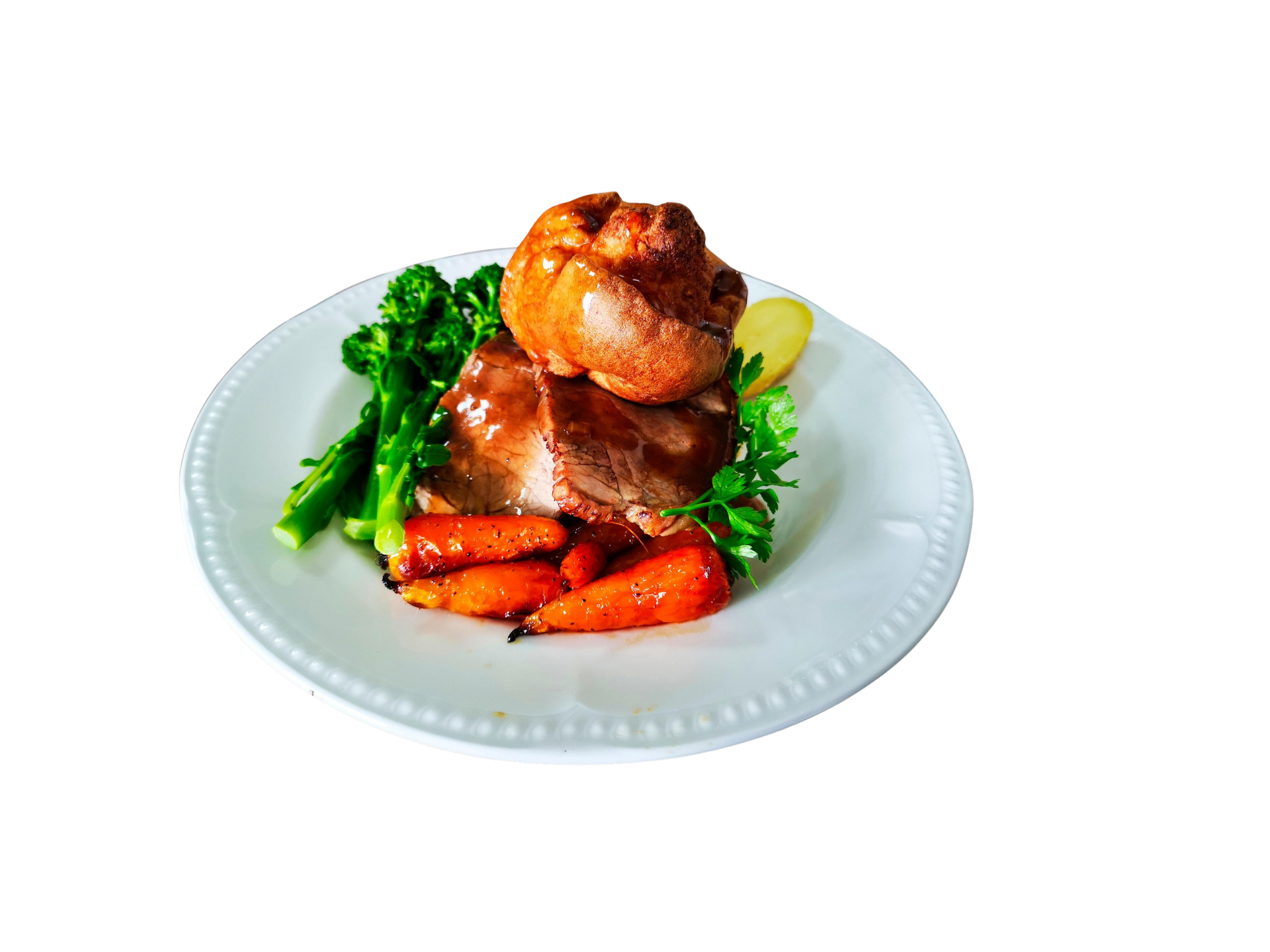
Slow and steady
A long, calm meal beats a fast, frustrating one.
The bottom line
Dementia-friendly dining isn’t a special menu — it’s a setting where eating stays enjoyable instead of frightening.
For the full picture across dignity, environment and the mealtime moment, see our Dignity Dining & Dining Experience guide.
New textures and plating can confuse; known wins.
Slow and steady
A long, calm meal beats a fast, frustrating one.
The bottom line
Dementia-friendly dining isn’t a special menu — it’s a setting where eating stays enjoyable instead of frightening.
For the full picture across dignity, environment and the mealtime moment, see our Dignity Dining & Dining Experience guide.
Keep it familiar
New textures and plating can confuse; known wins.
Slow and steady
A long, calm meal beats a fast, frustrating one.
The bottom line
Dementia-friendly dining isn’t a special menu — it’s a setting where eating stays enjoyable instead of frightening.
For the full picture across dignity, environment and the mealtime moment, see our Dignity Dining & Dining Experience guide.
A white plate on a white table is invisible to some.
Keep it familiar
New textures and plating can confuse; known wins.
Slow and steady
A long, calm meal beats a fast, frustrating one.
The bottom line
Dementia-friendly dining isn’t a special menu — it’s a setting where eating stays enjoyable instead of frightening.
For the full picture across dignity, environment and the mealtime moment, see our Dignity Dining & Dining Experience guide.
Contrast is king
A white plate on a white table is invisible to some.
Keep it familiar
New textures and plating can confuse; known wins.
Slow and steady
A long, calm meal beats a fast, frustrating one.
The bottom line
Dementia-friendly dining isn’t a special menu — it’s a setting where eating stays enjoyable instead of frightening.
For the full picture across dignity, environment and the mealtime moment, see our Dignity Dining & Dining Experience guide.
How to get it right
Contrast is king
A white plate on a white table is invisible to some.
Keep it familiar
New textures and plating can confuse; known wins.
Slow and steady
A long, calm meal beats a fast, frustrating one.
The bottom line
Dementia-friendly dining isn’t a special menu — it’s a setting where eating stays enjoyable instead of frightening.
For the full picture across dignity, environment and the mealtime moment, see our Dignity Dining & Dining Experience guide.
How to get it right
Contrast is king
A white plate on a white table is invisible to some.
Keep it familiar
New textures and plating can confuse; known wins.
Slow and steady
A long, calm meal beats a fast, frustrating one.
The bottom line
Dementia-friendly dining isn’t a special menu — it’s a setting where eating stays enjoyable instead of frightening.
For the full picture across dignity, environment and the mealtime moment, see our Dignity Dining & Dining Experience guide.
Slow and steady
A long, calm meal beats a fast, frustrating one.
The bottom line
Dementia-friendly dining isn’t a special menu — it’s a setting where eating stays enjoyable instead of frightening.
For the full picture across dignity, environment and the mealtime moment, see our Dignity Dining & Dining Experience guide.
New textures and plating can confuse; known wins.
Slow and steady
A long, calm meal beats a fast, frustrating one.
The bottom line
Dementia-friendly dining isn’t a special menu — it’s a setting where eating stays enjoyable instead of frightening.
For the full picture across dignity, environment and the mealtime moment, see our Dignity Dining & Dining Experience guide.
Keep it familiar
New textures and plating can confuse; known wins.
Slow and steady
A long, calm meal beats a fast, frustrating one.
The bottom line
Dementia-friendly dining isn’t a special menu — it’s a setting where eating stays enjoyable instead of frightening.
For the full picture across dignity, environment and the mealtime moment, see our Dignity Dining & Dining Experience guide.
A white plate on a white table is invisible to some.
Keep it familiar
New textures and plating can confuse; known wins.
Slow and steady
A long, calm meal beats a fast, frustrating one.
The bottom line
Dementia-friendly dining isn’t a special menu — it’s a setting where eating stays enjoyable instead of frightening.
For the full picture across dignity, environment and the mealtime moment, see our Dignity Dining & Dining Experience guide.
Contrast is king
A white plate on a white table is invisible to some.
Keep it familiar
New textures and plating can confuse; known wins.
Slow and steady
A long, calm meal beats a fast, frustrating one.
The bottom line
Dementia-friendly dining isn’t a special menu — it’s a setting where eating stays enjoyable instead of frightening.
For the full picture across dignity, environment and the mealtime moment, see our Dignity Dining & Dining Experience guide.
How to get it right
Contrast is king
A white plate on a white table is invisible to some.
Keep it familiar
New textures and plating can confuse; known wins.
Slow and steady
A long, calm meal beats a fast, frustrating one.
The bottom line
Dementia-friendly dining isn’t a special menu — it’s a setting where eating stays enjoyable instead of frightening.
For the full picture across dignity, environment and the mealtime moment, see our Dignity Dining & Dining Experience guide.
How to get it right
Contrast is king
A white plate on a white table is invisible to some.
Keep it familiar
New textures and plating can confuse; known wins.
Slow and steady
A long, calm meal beats a fast, frustrating one.
The bottom line
Dementia-friendly dining isn’t a special menu — it’s a setting where eating stays enjoyable instead of frightening.
For the full picture across dignity, environment and the mealtime moment, see our Dignity Dining & Dining Experience guide.
Keep it familiar
New textures and plating can confuse; known wins.
Slow and steady
A long, calm meal beats a fast, frustrating one.
The bottom line
Dementia-friendly dining isn’t a special menu — it’s a setting where eating stays enjoyable instead of frightening.
For the full picture across dignity, environment and the mealtime moment, see our Dignity Dining & Dining Experience guide.
Dementia-Friendly Dining in Care Homes
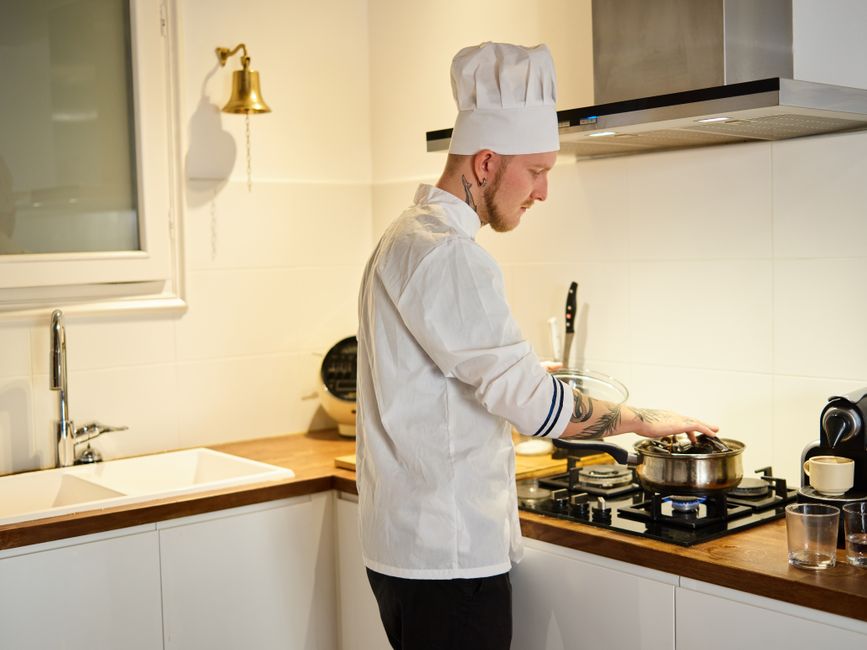
Dementia changes how a resident eats: recognition, focus, coordination. A dining setup that ignores this turns dinner into distress. One that’s built for it keeps the pleasure in eating.
What it looks like in practice
- Colour-contrast plates so food stands out from the table
- Familiar, recognisable foods over ‘interesting’ ones
- Calm, uncluttered space and minimal distraction
- Patience and prompting, not rushing or taking over
- Finger foods when cutlery becomes a fight
How to get it right
Contrast is king
A white plate on a white table is invisible to some.
Keep it familiar
New textures and plating can confuse; known wins.
Slow and steady
A long, calm meal beats a fast, frustrating one.
The bottom line
Dementia-friendly dining isn’t a special menu — it’s a setting where eating stays enjoyable instead of frightening.
For the full picture across dignity, environment and the mealtime moment, see our Dignity Dining & Dining Experience guide.
A white plate on a white table is invisible to some.
Keep it familiar
New textures and plating can confuse; known wins.
Slow and steady
A long, calm meal beats a fast, frustrating one.
The bottom line
Dementia-friendly dining isn’t a special menu — it’s a setting where eating stays enjoyable instead of frightening.
For the full picture across dignity, environment and the mealtime moment, see our Dignity Dining & Dining Experience guide.
Dementia-Friendly Dining in Care Homes
Dementia changes how a resident eats: recognition, focus, coordination. A dining setup that ignores this turns dinner into distress. One that’s built for it keeps the pleasure in eating.
What it looks like in practice
- Colour-contrast plates so food stands out from the table
- Familiar, recognisable foods over ‘interesting’ ones
- Calm, uncluttered space and minimal distraction
- Patience and prompting, not rushing or taking over
- Finger foods when cutlery becomes a fight
How to get it right
Contrast is king
A white plate on a white table is invisible to some.
Keep it familiar
New textures and plating can confuse; known wins.
Slow and steady
A long, calm meal beats a fast, frustrating one.
The bottom line
Dementia-friendly dining isn’t a special menu — it’s a setting where eating stays enjoyable instead of frightening.
For the full picture across dignity, environment and the mealtime moment, see our Dignity Dining & Dining Experience guide.
Contrast is king
A white plate on a white table is invisible to some.
Keep it familiar
New textures and plating can confuse; known wins.
Slow and steady
A long, calm meal beats a fast, frustrating one.
The bottom line
Dementia-friendly dining isn’t a special menu — it’s a setting where eating stays enjoyable instead of frightening.
For the full picture across dignity, environment and the mealtime moment, see our Dignity Dining & Dining Experience guide.
Dementia-Friendly Dining in Care Homes
Dementia changes how a resident eats: recognition, focus, coordination. A dining setup that ignores this turns dinner into distress. One that’s built for it keeps the pleasure in eating.
What it looks like in practice
- Colour-contrast plates so food stands out from the table
- Familiar, recognisable foods over ‘interesting’ ones
- Calm, uncluttered space and minimal distraction
- Patience and prompting, not rushing or taking over
- Finger foods when cutlery becomes a fight
How to get it right
Contrast is king
A white plate on a white table is invisible to some.
Keep it familiar
New textures and plating can confuse; known wins.
Slow and steady
A long, calm meal beats a fast, frustrating one.
The bottom line
Dementia-friendly dining isn’t a special menu — it’s a setting where eating stays enjoyable instead of frightening.
For the full picture across dignity, environment and the mealtime moment, see our Dignity Dining & Dining Experience guide.
How to get it right
Contrast is king
A white plate on a white table is invisible to some.
Keep it familiar
New textures and plating can confuse; known wins.
Slow and steady
A long, calm meal beats a fast, frustrating one.
The bottom line
Dementia-friendly dining isn’t a special menu — it’s a setting where eating stays enjoyable instead of frightening.
For the full picture across dignity, environment and the mealtime moment, see our Dignity Dining & Dining Experience guide.
Dementia-Friendly Dining in Care Homes
Dementia changes how a resident eats: recognition, focus, coordination. A dining setup that ignores this turns dinner into distress. One that’s built for it keeps the pleasure in eating.
What it looks like in practice
- Colour-contrast plates so food stands out from the table
- Familiar, recognisable foods over ‘interesting’ ones
- Calm, uncluttered space and minimal distraction
- Patience and prompting, not rushing or taking over
- Finger foods when cutlery becomes a fight
How to get it right
Contrast is king
A white plate on a white table is invisible to some.
Keep it familiar
New textures and plating can confuse; known wins.
Slow and steady
A long, calm meal beats a fast, frustrating one.
The bottom line
Dementia-friendly dining isn’t a special menu — it’s a setting where eating stays enjoyable instead of frightening.
For the full picture across dignity, environment and the mealtime moment, see our Dignity Dining & Dining Experience guide.
How to get it right
Contrast is king
A white plate on a white table is invisible to some.
Keep it familiar
New textures and plating can confuse; known wins.
Slow and steady
A long, calm meal beats a fast, frustrating one.
The bottom line
Dementia-friendly dining isn’t a special menu — it’s a setting where eating stays enjoyable instead of frightening.
For the full picture across dignity, environment and the mealtime moment, see our Dignity Dining & Dining Experience guide.
Dementia-Friendly Dining in Care Homes
Dementia changes how a resident eats: recognition, focus, coordination. A dining setup that ignores this turns dinner into distress. One that’s built for it keeps the pleasure in eating.
What it looks like in practice
- Colour-contrast plates so food stands out from the table
- Familiar, recognisable foods over ‘interesting’ ones
- Calm, uncluttered space and minimal distraction
- Patience and prompting, not rushing or taking over
- Finger foods when cutlery becomes a fight
How to get it right
Contrast is king
A white plate on a white table is invisible to some.
Keep it familiar
New textures and plating can confuse; known wins.
Slow and steady
A long, calm meal beats a fast, frustrating one.
The bottom line
Dementia-friendly dining isn’t a special menu — it’s a setting where eating stays enjoyable instead of frightening.
For the full picture across dignity, environment and the mealtime moment, see our Dignity Dining & Dining Experience guide.
Keep it familiar
New textures and plating can confuse; known wins.
Slow and steady
A long, calm meal beats a fast, frustrating one.
The bottom line
Dementia-friendly dining isn’t a special menu — it’s a setting where eating stays enjoyable instead of frightening.
For the full picture across dignity, environment and the mealtime moment, see our Dignity Dining & Dining Experience guide.
How to get it right
Contrast is king
A white plate on a white table is invisible to some.
Keep it familiar
New textures and plating can confuse; known wins.
Slow and steady
A long, calm meal beats a fast, frustrating one.
The bottom line
Dementia-friendly dining isn’t a special menu — it’s a setting where eating stays enjoyable instead of frightening.
For the full picture across dignity, environment and the mealtime moment, see our Dignity Dining & Dining Experience guide.
Dementia-Friendly Dining in Care Homes
Dementia changes how a resident eats: recognition, focus, coordination. A dining setup that ignores this turns dinner into distress. One that’s built for it keeps the pleasure in eating.
What it looks like in practice
- Colour-contrast plates so food stands out from the table
- Familiar, recognisable foods over ‘interesting’ ones
- Calm, uncluttered space and minimal distraction
- Patience and prompting, not rushing or taking over
- Finger foods when cutlery becomes a fight
How to get it right
Contrast is king
A white plate on a white table is invisible to some.
Keep it familiar
New textures and plating can confuse; known wins.
Slow and steady
A long, calm meal beats a fast, frustrating one.
The bottom line
Dementia-friendly dining isn’t a special menu — it’s a setting where eating stays enjoyable instead of frightening.
For the full picture across dignity, environment and the mealtime moment, see our Dignity Dining & Dining Experience guide.
A white plate on a white table is invisible to some.
Keep it familiar
New textures and plating can confuse; known wins.
Slow and steady
A long, calm meal beats a fast, frustrating one.
The bottom line
Dementia-friendly dining isn’t a special menu — it’s a setting where eating stays enjoyable instead of frightening.
For the full picture across dignity, environment and the mealtime moment, see our Dignity Dining & Dining Experience guide.
How to get it right
Contrast is king
A white plate on a white table is invisible to some.
Keep it familiar
New textures and plating can confuse; known wins.
Slow and steady
A long, calm meal beats a fast, frustrating one.
The bottom line
Dementia-friendly dining isn’t a special menu — it’s a setting where eating stays enjoyable instead of frightening.
For the full picture across dignity, environment and the mealtime moment, see our Dignity Dining & Dining Experience guide.
Dementia-Friendly Dining in Care Homes
Dementia changes how a resident eats: recognition, focus, coordination. A dining setup that ignores this turns dinner into distress. One that’s built for it keeps the pleasure in eating.
What it looks like in practice
- Colour-contrast plates so food stands out from the table
- Familiar, recognisable foods over ‘interesting’ ones
- Calm, uncluttered space and minimal distraction
- Patience and prompting, not rushing or taking over
- Finger foods when cutlery becomes a fight
How to get it right
Contrast is king
A white plate on a white table is invisible to some.
Keep it familiar
New textures and plating can confuse; known wins.
Slow and steady
A long, calm meal beats a fast, frustrating one.
The bottom line
Dementia-friendly dining isn’t a special menu — it’s a setting where eating stays enjoyable instead of frightening.
For the full picture across dignity, environment and the mealtime moment, see our Dignity Dining & Dining Experience guide.
Contrast is king
A white plate on a white table is invisible to some.
Keep it familiar
New textures and plating can confuse; known wins.
Slow and steady
A long, calm meal beats a fast, frustrating one.
The bottom line
Dementia-friendly dining isn’t a special menu — it’s a setting where eating stays enjoyable instead of frightening.
For the full picture across dignity, environment and the mealtime moment, see our Dignity Dining & Dining Experience guide.
How to get it right
Contrast is king
A white plate on a white table is invisible to some.
Keep it familiar
New textures and plating can confuse; known wins.
Slow and steady
A long, calm meal beats a fast, frustrating one.
The bottom line
Dementia-friendly dining isn’t a special menu — it’s a setting where eating stays enjoyable instead of frightening.
For the full picture across dignity, environment and the mealtime moment, see our Dignity Dining & Dining Experience guide.
Dementia-Friendly Dining in Care Homes
Dementia changes how a resident eats: recognition, focus, coordination. A dining setup that ignores this turns dinner into distress. One that’s built for it keeps the pleasure in eating.
What it looks like in practice
- Colour-contrast plates so food stands out from the table
- Familiar, recognisable foods over ‘interesting’ ones
- Calm, uncluttered space and minimal distraction
- Patience and prompting, not rushing or taking over
- Finger foods when cutlery becomes a fight
How to get it right
Contrast is king
A white plate on a white table is invisible to some.
Keep it familiar
New textures and plating can confuse; known wins.
Slow and steady
A long, calm meal beats a fast, frustrating one.
The bottom line
Dementia-friendly dining isn’t a special menu — it’s a setting where eating stays enjoyable instead of frightening.
For the full picture across dignity, environment and the mealtime moment, see our Dignity Dining & Dining Experience guide.
How to get it right
Contrast is king
A white plate on a white table is invisible to some.
Keep it familiar
New textures and plating can confuse; known wins.
Slow and steady
A long, calm meal beats a fast, frustrating one.
The bottom line
Dementia-friendly dining isn’t a special menu — it’s a setting where eating stays enjoyable instead of frightening.
For the full picture across dignity, environment and the mealtime moment, see our Dignity Dining & Dining Experience guide.
How to get it right
Contrast is king
A white plate on a white table is invisible to some.
Keep it familiar
New textures and plating can confuse; known wins.
Slow and steady
A long, calm meal beats a fast, frustrating one.
The bottom line
Dementia-friendly dining isn’t a special menu — it’s a setting where eating stays enjoyable instead of frightening.
For the full picture across dignity, environment and the mealtime moment, see our Dignity Dining & Dining Experience guide.
Dementia-Friendly Dining in Care Homes
Dementia changes how a resident eats: recognition, focus, coordination. A dining setup that ignores this turns dinner into distress. One that’s built for it keeps the pleasure in eating.
What it looks like in practice
- Colour-contrast plates so food stands out from the table
- Familiar, recognisable foods over ‘interesting’ ones
- Calm, uncluttered space and minimal distraction
- Patience and prompting, not rushing or taking over
- Finger foods when cutlery becomes a fight
How to get it right
Contrast is king
A white plate on a white table is invisible to some.
Keep it familiar
New textures and plating can confuse; known wins.
Slow and steady
A long, calm meal beats a fast, frustrating one.
The bottom line
Dementia-friendly dining isn’t a special menu — it’s a setting where eating stays enjoyable instead of frightening.
For the full picture across dignity, environment and the mealtime moment, see our Dignity Dining & Dining Experience guide.
Keep it familiar
New textures and plating can confuse; known wins.
Slow and steady
A long, calm meal beats a fast, frustrating one.
The bottom line
Dementia-friendly dining isn’t a special menu — it’s a setting where eating stays enjoyable instead of frightening.
For the full picture across dignity, environment and the mealtime moment, see our Dignity Dining & Dining Experience guide.
How to get it right
Contrast is king
A white plate on a white table is invisible to some.
Keep it familiar
New textures and plating can confuse; known wins.
Slow and steady
A long, calm meal beats a fast, frustrating one.
The bottom line
Dementia-friendly dining isn’t a special menu — it’s a setting where eating stays enjoyable instead of frightening.
For the full picture across dignity, environment and the mealtime moment, see our Dignity Dining & Dining Experience guide.
How to get it right
Contrast is king
A white plate on a white table is invisible to some.
Keep it familiar
New textures and plating can confuse; known wins.
Slow and steady
A long, calm meal beats a fast, frustrating one.
The bottom line
Dementia-friendly dining isn’t a special menu — it’s a setting where eating stays enjoyable instead of frightening.
For the full picture across dignity, environment and the mealtime moment, see our Dignity Dining & Dining Experience guide.
Dementia-Friendly Dining in Care Homes
Dementia changes how a resident eats: recognition, focus, coordination. A dining setup that ignores this turns dinner into distress. One that’s built for it keeps the pleasure in eating.
What it looks like in practice
- Colour-contrast plates so food stands out from the table
- Familiar, recognisable foods over ‘interesting’ ones
- Calm, uncluttered space and minimal distraction
- Patience and prompting, not rushing or taking over
- Finger foods when cutlery becomes a fight
How to get it right
Contrast is king
A white plate on a white table is invisible to some.
Keep it familiar
New textures and plating can confuse; known wins.
Slow and steady
A long, calm meal beats a fast, frustrating one.
The bottom line
Dementia-friendly dining isn’t a special menu — it’s a setting where eating stays enjoyable instead of frightening.
For the full picture across dignity, environment and the mealtime moment, see our Dignity Dining & Dining Experience guide.
A white plate on a white table is invisible to some.
Keep it familiar
New textures and plating can confuse; known wins.
Slow and steady
A long, calm meal beats a fast, frustrating one.
The bottom line
Dementia-friendly dining isn’t a special menu — it’s a setting where eating stays enjoyable instead of frightening.
For the full picture across dignity, environment and the mealtime moment, see our Dignity Dining & Dining Experience guide.
How to get it right
Contrast is king
A white plate on a white table is invisible to some.
Keep it familiar
New textures and plating can confuse; known wins.
Slow and steady
A long, calm meal beats a fast, frustrating one.
The bottom line
Dementia-friendly dining isn’t a special menu — it’s a setting where eating stays enjoyable instead of frightening.
For the full picture across dignity, environment and the mealtime moment, see our Dignity Dining & Dining Experience guide.
How to get it right
Contrast is king
A white plate on a white table is invisible to some.
Keep it familiar
New textures and plating can confuse; known wins.
Slow and steady
A long, calm meal beats a fast, frustrating one.
The bottom line
Dementia-friendly dining isn’t a special menu — it’s a setting where eating stays enjoyable instead of frightening.
For the full picture across dignity, environment and the mealtime moment, see our Dignity Dining & Dining Experience guide.
Dementia-Friendly Dining in Care Homes
Dementia changes how a resident eats: recognition, focus, coordination. A dining setup that ignores this turns dinner into distress. One that’s built for it keeps the pleasure in eating.
What it looks like in practice
- Colour-contrast plates so food stands out from the table
- Familiar, recognisable foods over ‘interesting’ ones
- Calm, uncluttered space and minimal distraction
- Patience and prompting, not rushing or taking over
- Finger foods when cutlery becomes a fight
How to get it right
Contrast is king
A white plate on a white table is invisible to some.
Keep it familiar
New textures and plating can confuse; known wins.
Slow and steady
A long, calm meal beats a fast, frustrating one.
The bottom line
Dementia-friendly dining isn’t a special menu — it’s a setting where eating stays enjoyable instead of frightening.
For the full picture across dignity, environment and the mealtime moment, see our Dignity Dining & Dining Experience guide.
Contrast is king
A white plate on a white table is invisible to some.
Keep it familiar
New textures and plating can confuse; known wins.
Slow and steady
A long, calm meal beats a fast, frustrating one.
The bottom line
Dementia-friendly dining isn’t a special menu — it’s a setting where eating stays enjoyable instead of frightening.
For the full picture across dignity, environment and the mealtime moment, see our Dignity Dining & Dining Experience guide.
How to get it right
Contrast is king
A white plate on a white table is invisible to some.
Keep it familiar
New textures and plating can confuse; known wins.
Slow and steady
A long, calm meal beats a fast, frustrating one.
The bottom line
Dementia-friendly dining isn’t a special menu — it’s a setting where eating stays enjoyable instead of frightening.
For the full picture across dignity, environment and the mealtime moment, see our Dignity Dining & Dining Experience guide.
How to get it right
Contrast is king
A white plate on a white table is invisible to some.
Keep it familiar
New textures and plating can confuse; known wins.
Slow and steady
A long, calm meal beats a fast, frustrating one.
The bottom line
Dementia-friendly dining isn’t a special menu — it’s a setting where eating stays enjoyable instead of frightening.
For the full picture across dignity, environment and the mealtime moment, see our Dignity Dining & Dining Experience guide.
Dementia-Friendly Dining in Care Homes
Dementia changes how a resident eats: recognition, focus, coordination. A dining setup that ignores this turns dinner into distress. One that’s built for it keeps the pleasure in eating.
What it looks like in practice
- Colour-contrast plates so food stands out from the table
- Familiar, recognisable foods over ‘interesting’ ones
- Calm, uncluttered space and minimal distraction
- Patience and prompting, not rushing or taking over
- Finger foods when cutlery becomes a fight
How to get it right
Contrast is king
A white plate on a white table is invisible to some.
Keep it familiar
New textures and plating can confuse; known wins.
Slow and steady
A long, calm meal beats a fast, frustrating one.
The bottom line
Dementia-friendly dining isn’t a special menu — it’s a setting where eating stays enjoyable instead of frightening.
For the full picture across dignity, environment and the mealtime moment, see our Dignity Dining & Dining Experience guide.
Keep it familiar
New textures and plating can confuse; known wins.
Slow and steady
A long, calm meal beats a fast, frustrating one.
The bottom line
Dementia-friendly dining isn’t a special menu — it’s a setting where eating stays enjoyable instead of frightening.
For the full picture across dignity, environment and the mealtime moment, see our Dignity Dining & Dining Experience guide.
Contrast is king
A white plate on a white table is invisible to some.
Keep it familiar
New textures and plating can confuse; known wins.
Slow and steady
A long, calm meal beats a fast, frustrating one.
The bottom line
Dementia-friendly dining isn’t a special menu — it’s a setting where eating stays enjoyable instead of frightening.
For the full picture across dignity, environment and the mealtime moment, see our Dignity Dining & Dining Experience guide.
How to get it right
Contrast is king
A white plate on a white table is invisible to some.
Keep it familiar
New textures and plating can confuse; known wins.
Slow and steady
A long, calm meal beats a fast, frustrating one.
The bottom line
Dementia-friendly dining isn’t a special menu — it’s a setting where eating stays enjoyable instead of frightening.
For the full picture across dignity, environment and the mealtime moment, see our Dignity Dining & Dining Experience guide.
How to get it right
Contrast is king
A white plate on a white table is invisible to some.
Keep it familiar
New textures and plating can confuse; known wins.
Slow and steady
A long, calm meal beats a fast, frustrating one.
The bottom line
Dementia-friendly dining isn’t a special menu — it’s a setting where eating stays enjoyable instead of frightening.
For the full picture across dignity, environment and the mealtime moment, see our Dignity Dining & Dining Experience guide.
Dementia-Friendly Dining in Care Homes
Dementia changes how a resident eats: recognition, focus, coordination. A dining setup that ignores this turns dinner into distress. One that’s built for it keeps the pleasure in eating.
What it looks like in practice
- Colour-contrast plates so food stands out from the table
- Familiar, recognisable foods over ‘interesting’ ones
- Calm, uncluttered space and minimal distraction
- Patience and prompting, not rushing or taking over
- Finger foods when cutlery becomes a fight
How to get it right
Contrast is king
A white plate on a white table is invisible to some.
Keep it familiar
New textures and plating can confuse; known wins.
Slow and steady
A long, calm meal beats a fast, frustrating one.
The bottom line
Dementia-friendly dining isn’t a special menu — it’s a setting where eating stays enjoyable instead of frightening.
For the full picture across dignity, environment and the mealtime moment, see our Dignity Dining & Dining Experience guide.
A white plate on a white table is invisible to some.
Keep it familiar
New textures and plating can confuse; known wins.
Slow and steady
A long, calm meal beats a fast, frustrating one.
The bottom line
Dementia-friendly dining isn’t a special menu — it’s a setting where eating stays enjoyable instead of frightening.
For the full picture across dignity, environment and the mealtime moment, see our Dignity Dining & Dining Experience guide.
Contrast is king
A white plate on a white table is invisible to some.
Keep it familiar
New textures and plating can confuse; known wins.
Slow and steady
A long, calm meal beats a fast, frustrating one.
The bottom line
Dementia-friendly dining isn’t a special menu — it’s a setting where eating stays enjoyable instead of frightening.
For the full picture across dignity, environment and the mealtime moment, see our Dignity Dining & Dining Experience guide.
How to get it right
Contrast is king
A white plate on a white table is invisible to some.
Keep it familiar
New textures and plating can confuse; known wins.
Slow and steady
A long, calm meal beats a fast, frustrating one.
The bottom line
Dementia-friendly dining isn’t a special menu — it’s a setting where eating stays enjoyable instead of frightening.
For the full picture across dignity, environment and the mealtime moment, see our Dignity Dining & Dining Experience guide.
How to get it right
Contrast is king
A white plate on a white table is invisible to some.
Keep it familiar
New textures and plating can confuse; known wins.
Slow and steady
A long, calm meal beats a fast, frustrating one.
The bottom line
Dementia-friendly dining isn’t a special menu — it’s a setting where eating stays enjoyable instead of frightening.
For the full picture across dignity, environment and the mealtime moment, see our Dignity Dining & Dining Experience guide.
Dementia-Friendly Dining in Care Homes
Dementia changes how a resident eats: recognition, focus, coordination. A dining setup that ignores this turns dinner into distress. One that’s built for it keeps the pleasure in eating.
What it looks like in practice
- Colour-contrast plates so food stands out from the table
- Familiar, recognisable foods over ‘interesting’ ones
- Calm, uncluttered space and minimal distraction
- Patience and prompting, not rushing or taking over
- Finger foods when cutlery becomes a fight
How to get it right
Contrast is king
A white plate on a white table is invisible to some.
Keep it familiar
New textures and plating can confuse; known wins.
Slow and steady
A long, calm meal beats a fast, frustrating one.
The bottom line
Dementia-friendly dining isn’t a special menu — it’s a setting where eating stays enjoyable instead of frightening.
For the full picture across dignity, environment and the mealtime moment, see our Dignity Dining & Dining Experience guide.
Keep it familiar
New textures and plating can confuse; known wins.
Slow and steady
A long, calm meal beats a fast, frustrating one.
The bottom line
Dementia-friendly dining isn’t a special menu — it’s a setting where eating stays enjoyable instead of frightening.
For the full picture across dignity, environment and the mealtime moment, see our Dignity Dining & Dining Experience guide.
A white plate on a white table is invisible to some.
Keep it familiar
New textures and plating can confuse; known wins.
Slow and steady
A long, calm meal beats a fast, frustrating one.
The bottom line
Dementia-friendly dining isn’t a special menu — it’s a setting where eating stays enjoyable instead of frightening.
For the full picture across dignity, environment and the mealtime moment, see our Dignity Dining & Dining Experience guide.
Contrast is king
A white plate on a white table is invisible to some.
Keep it familiar
New textures and plating can confuse; known wins.
Slow and steady
A long, calm meal beats a fast, frustrating one.
The bottom line
Dementia-friendly dining isn’t a special menu — it’s a setting where eating stays enjoyable instead of frightening.
For the full picture across dignity, environment and the mealtime moment, see our Dignity Dining & Dining Experience guide.
How to get it right
Contrast is king
A white plate on a white table is invisible to some.
Keep it familiar
New textures and plating can confuse; known wins.
Slow and steady
A long, calm meal beats a fast, frustrating one.
The bottom line
Dementia-friendly dining isn’t a special menu — it’s a setting where eating stays enjoyable instead of frightening.
For the full picture across dignity, environment and the mealtime moment, see our Dignity Dining & Dining Experience guide.
How to get it right
Contrast is king
A white plate on a white table is invisible to some.
Keep it familiar
New textures and plating can confuse; known wins.
Slow and steady
A long, calm meal beats a fast, frustrating one.
The bottom line
Dementia-friendly dining isn’t a special menu — it’s a setting where eating stays enjoyable instead of frightening.
For the full picture across dignity, environment and the mealtime moment, see our Dignity Dining & Dining Experience guide.
Dementia-Friendly Dining in Care Homes
Dementia changes how a resident eats: recognition, focus, coordination. A dining setup that ignores this turns dinner into distress. One that’s built for it keeps the pleasure in eating.
What it looks like in practice
- Colour-contrast plates so food stands out from the table
- Familiar, recognisable foods over ‘interesting’ ones
- Calm, uncluttered space and minimal distraction
- Patience and prompting, not rushing or taking over
- Finger foods when cutlery becomes a fight
How to get it right
Contrast is king
A white plate on a white table is invisible to some.
Keep it familiar
New textures and plating can confuse; known wins.
Slow and steady
A long, calm meal beats a fast, frustrating one.
The bottom line
Dementia-friendly dining isn’t a special menu — it’s a setting where eating stays enjoyable instead of frightening.
For the full picture across dignity, environment and the mealtime moment, see our Dignity Dining & Dining Experience guide.
Keep it familiar
New textures and plating can confuse; known wins.
Slow and steady
A long, calm meal beats a fast, frustrating one.
The bottom line
Dementia-friendly dining isn’t a special menu — it’s a setting where eating stays enjoyable instead of frightening.
For the full picture across dignity, environment and the mealtime moment, see our Dignity Dining & Dining Experience guide.
Dementia-Friendly Dining in Care Homes
Dementia changes how a resident eats: recognition, focus, coordination. A dining setup that ignores this turns dinner into distress. One that’s built for it keeps the pleasure in eating.
What it looks like in practice
- Colour-contrast plates so food stands out from the table
- Familiar, recognisable foods over ‘interesting’ ones
- Calm, uncluttered space and minimal distraction
- Patience and prompting, not rushing or taking over
- Finger foods when cutlery becomes a fight
How to get it right
Contrast is king
A white plate on a white table is invisible to some.
Keep it familiar
New textures and plating can confuse; known wins.
Slow and steady
A long, calm meal beats a fast, frustrating one.
The bottom line
Dementia-friendly dining isn’t a special menu — it’s a setting where eating stays enjoyable instead of frightening.
For the full picture across dignity, environment and the mealtime moment, see our Dignity Dining & Dining Experience guide.
A white plate on a white table is invisible to some.
Keep it familiar
New textures and plating can confuse; known wins.
Slow and steady
A long, calm meal beats a fast, frustrating one.
The bottom line
Dementia-friendly dining isn’t a special menu — it’s a setting where eating stays enjoyable instead of frightening.
For the full picture across dignity, environment and the mealtime moment, see our Dignity Dining & Dining Experience guide.
Dementia-Friendly Dining in Care Homes
Dementia changes how a resident eats: recognition, focus, coordination. A dining setup that ignores this turns dinner into distress. One that’s built for it keeps the pleasure in eating.
What it looks like in practice
- Colour-contrast plates so food stands out from the table
- Familiar, recognisable foods over ‘interesting’ ones
- Calm, uncluttered space and minimal distraction
- Patience and prompting, not rushing or taking over
- Finger foods when cutlery becomes a fight
How to get it right
Contrast is king
A white plate on a white table is invisible to some.
Keep it familiar
New textures and plating can confuse; known wins.
Slow and steady
A long, calm meal beats a fast, frustrating one.
The bottom line
Dementia-friendly dining isn’t a special menu — it’s a setting where eating stays enjoyable instead of frightening.
For the full picture across dignity, environment and the mealtime moment, see our Dignity Dining & Dining Experience guide.
Contrast is king
A white plate on a white table is invisible to some.
Keep it familiar
New textures and plating can confuse; known wins.
Slow and steady
A long, calm meal beats a fast, frustrating one.
The bottom line
Dementia-friendly dining isn’t a special menu — it’s a setting where eating stays enjoyable instead of frightening.
For the full picture across dignity, environment and the mealtime moment, see our Dignity Dining & Dining Experience guide.
Dementia-Friendly Dining in Care Homes
Dementia changes how a resident eats: recognition, focus, coordination. A dining setup that ignores this turns dinner into distress. One that’s built for it keeps the pleasure in eating.
What it looks like in practice
- Colour-contrast plates so food stands out from the table
- Familiar, recognisable foods over ‘interesting’ ones
- Calm, uncluttered space and minimal distraction
- Patience and prompting, not rushing or taking over
- Finger foods when cutlery becomes a fight
How to get it right
Contrast is king
A white plate on a white table is invisible to some.
Keep it familiar
New textures and plating can confuse; known wins.
Slow and steady
A long, calm meal beats a fast, frustrating one.
The bottom line
Dementia-friendly dining isn’t a special menu — it’s a setting where eating stays enjoyable instead of frightening.
For the full picture across dignity, environment and the mealtime moment, see our Dignity Dining & Dining Experience guide.
How to get it right
Contrast is king
A white plate on a white table is invisible to some.
Keep it familiar
New textures and plating can confuse; known wins.
Slow and steady
A long, calm meal beats a fast, frustrating one.
The bottom line
Dementia-friendly dining isn’t a special menu — it’s a setting where eating stays enjoyable instead of frightening.
For the full picture across dignity, environment and the mealtime moment, see our Dignity Dining & Dining Experience guide.
Dementia-Friendly Dining in Care Homes
Dementia changes how a resident eats: recognition, focus, coordination. A dining setup that ignores this turns dinner into distress. One that’s built for it keeps the pleasure in eating.
What it looks like in practice
- Colour-contrast plates so food stands out from the table
- Familiar, recognisable foods over ‘interesting’ ones
- Calm, uncluttered space and minimal distraction
- Patience and prompting, not rushing or taking over
- Finger foods when cutlery becomes a fight
How to get it right
Contrast is king
A white plate on a white table is invisible to some.
Keep it familiar
New textures and plating can confuse; known wins.
Slow and steady
A long, calm meal beats a fast, frustrating one.
The bottom line
Dementia-friendly dining isn’t a special menu — it’s a setting where eating stays enjoyable instead of frightening.
For the full picture across dignity, environment and the mealtime moment, see our Dignity Dining & Dining Experience guide.
How to get it right
Contrast is king
A white plate on a white table is invisible to some.
Keep it familiar
New textures and plating can confuse; known wins.
Slow and steady
A long, calm meal beats a fast, frustrating one.
The bottom line
Dementia-friendly dining isn’t a special menu — it’s a setting where eating stays enjoyable instead of frightening.
For the full picture across dignity, environment and the mealtime moment, see our Dignity Dining & Dining Experience guide.
Dementia-Friendly Dining in Care Homes
Dementia changes how a resident eats: recognition, focus, coordination. A dining setup that ignores this turns dinner into distress. One that’s built for it keeps the pleasure in eating.
What it looks like in practice
- Colour-contrast plates so food stands out from the table
- Familiar, recognisable foods over ‘interesting’ ones
- Calm, uncluttered space and minimal distraction
- Patience and prompting, not rushing or taking over
- Finger foods when cutlery becomes a fight
How to get it right
Contrast is king
A white plate on a white table is invisible to some.
Keep it familiar
New textures and plating can confuse; known wins.
Slow and steady
A long, calm meal beats a fast, frustrating one.
The bottom line
Dementia-friendly dining isn’t a special menu — it’s a setting where eating stays enjoyable instead of frightening.
For the full picture across dignity, environment and the mealtime moment, see our Dignity Dining & Dining Experience guide.
Keep it familiar
New textures and plating can confuse; known wins.
Slow and steady
A long, calm meal beats a fast, frustrating one.
The bottom line
Dementia-friendly dining isn’t a special menu — it’s a setting where eating stays enjoyable instead of frightening.
For the full picture across dignity, environment and the mealtime moment, see our Dignity Dining & Dining Experience guide.
How to get it right
Contrast is king
A white plate on a white table is invisible to some.
Keep it familiar
New textures and plating can confuse; known wins.
Slow and steady
A long, calm meal beats a fast, frustrating one.
The bottom line
Dementia-friendly dining isn’t a special menu — it’s a setting where eating stays enjoyable instead of frightening.
For the full picture across dignity, environment and the mealtime moment, see our Dignity Dining & Dining Experience guide.
Dementia-Friendly Dining in Care Homes
Dementia changes how a resident eats: recognition, focus, coordination. A dining setup that ignores this turns dinner into distress. One that’s built for it keeps the pleasure in eating.
What it looks like in practice
- Colour-contrast plates so food stands out from the table
- Familiar, recognisable foods over ‘interesting’ ones
- Calm, uncluttered space and minimal distraction
- Patience and prompting, not rushing or taking over
- Finger foods when cutlery becomes a fight
How to get it right
Contrast is king
A white plate on a white table is invisible to some.
Keep it familiar
New textures and plating can confuse; known wins.
Slow and steady
A long, calm meal beats a fast, frustrating one.
The bottom line
Dementia-friendly dining isn’t a special menu — it’s a setting where eating stays enjoyable instead of frightening.
For the full picture across dignity, environment and the mealtime moment, see our Dignity Dining & Dining Experience guide.
A white plate on a white table is invisible to some.
Keep it familiar
New textures and plating can confuse; known wins.
Slow and steady
A long, calm meal beats a fast, frustrating one.
The bottom line
Dementia-friendly dining isn’t a special menu — it’s a setting where eating stays enjoyable instead of frightening.
For the full picture across dignity, environment and the mealtime moment, see our Dignity Dining & Dining Experience guide.
How to get it right
Contrast is king
A white plate on a white table is invisible to some.
Keep it familiar
New textures and plating can confuse; known wins.
Slow and steady
A long, calm meal beats a fast, frustrating one.
The bottom line
Dementia-friendly dining isn’t a special menu — it’s a setting where eating stays enjoyable instead of frightening.
For the full picture across dignity, environment and the mealtime moment, see our Dignity Dining & Dining Experience guide.
Dementia-Friendly Dining in Care Homes
Dementia changes how a resident eats: recognition, focus, coordination. A dining setup that ignores this turns dinner into distress. One that’s built for it keeps the pleasure in eating.
What it looks like in practice
- Colour-contrast plates so food stands out from the table
- Familiar, recognisable foods over ‘interesting’ ones
- Calm, uncluttered space and minimal distraction
- Patience and prompting, not rushing or taking over
- Finger foods when cutlery becomes a fight
How to get it right
Contrast is king
A white plate on a white table is invisible to some.
Keep it familiar
New textures and plating can confuse; known wins.
Slow and steady
A long, calm meal beats a fast, frustrating one.
The bottom line
Dementia-friendly dining isn’t a special menu — it’s a setting where eating stays enjoyable instead of frightening.
For the full picture across dignity, environment and the mealtime moment, see our Dignity Dining & Dining Experience guide.
Contrast is king
A white plate on a white table is invisible to some.
Keep it familiar
New textures and plating can confuse; known wins.
Slow and steady
A long, calm meal beats a fast, frustrating one.
The bottom line
Dementia-friendly dining isn’t a special menu — it’s a setting where eating stays enjoyable instead of frightening.
For the full picture across dignity, environment and the mealtime moment, see our Dignity Dining & Dining Experience guide.
How to get it right
Contrast is king
A white plate on a white table is invisible to some.
Keep it familiar
New textures and plating can confuse; known wins.
Slow and steady
A long, calm meal beats a fast, frustrating one.
The bottom line
Dementia-friendly dining isn’t a special menu — it’s a setting where eating stays enjoyable instead of frightening.
For the full picture across dignity, environment and the mealtime moment, see our Dignity Dining & Dining Experience guide.
Dementia-Friendly Dining in Care Homes
Dementia changes how a resident eats: recognition, focus, coordination. A dining setup that ignores this turns dinner into distress. One that’s built for it keeps the pleasure in eating.
What it looks like in practice
- Colour-contrast plates so food stands out from the table
- Familiar, recognisable foods over ‘interesting’ ones
- Calm, uncluttered space and minimal distraction
- Patience and prompting, not rushing or taking over
- Finger foods when cutlery becomes a fight
How to get it right
Contrast is king
A white plate on a white table is invisible to some.
Keep it familiar
New textures and plating can confuse; known wins.
Slow and steady
A long, calm meal beats a fast, frustrating one.
The bottom line
Dementia-friendly dining isn’t a special menu — it’s a setting where eating stays enjoyable instead of frightening.
For the full picture across dignity, environment and the mealtime moment, see our Dignity Dining & Dining Experience guide.
How to get it right
Contrast is king
A white plate on a white table is invisible to some.
Keep it familiar
New textures and plating can confuse; known wins.
Slow and steady
A long, calm meal beats a fast, frustrating one.
The bottom line
Dementia-friendly dining isn’t a special menu — it’s a setting where eating stays enjoyable instead of frightening.
For the full picture across dignity, environment and the mealtime moment, see our Dignity Dining & Dining Experience guide.
How to get it right
Contrast is king
A white plate on a white table is invisible to some.
Keep it familiar
New textures and plating can confuse; known wins.
Slow and steady
A long, calm meal beats a fast, frustrating one.
The bottom line
Dementia-friendly dining isn’t a special menu — it’s a setting where eating stays enjoyable instead of frightening.
For the full picture across dignity, environment and the mealtime moment, see our Dignity Dining & Dining Experience guide.
Dementia-Friendly Dining in Care Homes
Dementia changes how a resident eats: recognition, focus, coordination. A dining setup that ignores this turns dinner into distress. One that’s built for it keeps the pleasure in eating.
What it looks like in practice
- Colour-contrast plates so food stands out from the table
- Familiar, recognisable foods over ‘interesting’ ones
- Calm, uncluttered space and minimal distraction
- Patience and prompting, not rushing or taking over
- Finger foods when cutlery becomes a fight
How to get it right
Contrast is king
A white plate on a white table is invisible to some.
Keep it familiar
New textures and plating can confuse; known wins.
Slow and steady
A long, calm meal beats a fast, frustrating one.
The bottom line
Dementia-friendly dining isn’t a special menu — it’s a setting where eating stays enjoyable instead of frightening.
For the full picture across dignity, environment and the mealtime moment, see our Dignity Dining & Dining Experience guide.
Keep it familiar
New textures and plating can confuse; known wins.
Slow and steady
A long, calm meal beats a fast, frustrating one.
The bottom line
Dementia-friendly dining isn’t a special menu — it’s a setting where eating stays enjoyable instead of frightening.
For the full picture across dignity, environment and the mealtime moment, see our Dignity Dining & Dining Experience guide.
How to get it right
Contrast is king
A white plate on a white table is invisible to some.
Keep it familiar
New textures and plating can confuse; known wins.
Slow and steady
A long, calm meal beats a fast, frustrating one.
The bottom line
Dementia-friendly dining isn’t a special menu — it’s a setting where eating stays enjoyable instead of frightening.
For the full picture across dignity, environment and the mealtime moment, see our Dignity Dining & Dining Experience guide.
How to get it right
Contrast is king
A white plate on a white table is invisible to some.
Keep it familiar
New textures and plating can confuse; known wins.
Slow and steady
A long, calm meal beats a fast, frustrating one.
The bottom line
Dementia-friendly dining isn’t a special menu — it’s a setting where eating stays enjoyable instead of frightening.
For the full picture across dignity, environment and the mealtime moment, see our Dignity Dining & Dining Experience guide.
Dementia-Friendly Dining in Care Homes
Dementia changes how a resident eats: recognition, focus, coordination. A dining setup that ignores this turns dinner into distress. One that’s built for it keeps the pleasure in eating.
What it looks like in practice
- Colour-contrast plates so food stands out from the table
- Familiar, recognisable foods over ‘interesting’ ones
- Calm, uncluttered space and minimal distraction
- Patience and prompting, not rushing or taking over
- Finger foods when cutlery becomes a fight
How to get it right
Contrast is king
A white plate on a white table is invisible to some.
Keep it familiar
New textures and plating can confuse; known wins.
Slow and steady
A long, calm meal beats a fast, frustrating one.
The bottom line
Dementia-friendly dining isn’t a special menu — it’s a setting where eating stays enjoyable instead of frightening.
For the full picture across dignity, environment and the mealtime moment, see our Dignity Dining & Dining Experience guide.
A white plate on a white table is invisible to some.
Keep it familiar
New textures and plating can confuse; known wins.
Slow and steady
A long, calm meal beats a fast, frustrating one.
The bottom line
Dementia-friendly dining isn’t a special menu — it’s a setting where eating stays enjoyable instead of frightening.
For the full picture across dignity, environment and the mealtime moment, see our Dignity Dining & Dining Experience guide.
How to get it right
Contrast is king
A white plate on a white table is invisible to some.
Keep it familiar
New textures and plating can confuse; known wins.
Slow and steady
A long, calm meal beats a fast, frustrating one.
The bottom line
Dementia-friendly dining isn’t a special menu — it’s a setting where eating stays enjoyable instead of frightening.
For the full picture across dignity, environment and the mealtime moment, see our Dignity Dining & Dining Experience guide.
How to get it right
Contrast is king
A white plate on a white table is invisible to some.
Keep it familiar
New textures and plating can confuse; known wins.
Slow and steady
A long, calm meal beats a fast, frustrating one.
The bottom line
Dementia-friendly dining isn’t a special menu — it’s a setting where eating stays enjoyable instead of frightening.
For the full picture across dignity, environment and the mealtime moment, see our Dignity Dining & Dining Experience guide.
Dementia-Friendly Dining in Care Homes
Dementia changes how a resident eats: recognition, focus, coordination. A dining setup that ignores this turns dinner into distress. One that’s built for it keeps the pleasure in eating.
What it looks like in practice
- Colour-contrast plates so food stands out from the table
- Familiar, recognisable foods over ‘interesting’ ones
- Calm, uncluttered space and minimal distraction
- Patience and prompting, not rushing or taking over
- Finger foods when cutlery becomes a fight
How to get it right
Contrast is king
A white plate on a white table is invisible to some.
Keep it familiar
New textures and plating can confuse; known wins.
Slow and steady
A long, calm meal beats a fast, frustrating one.
The bottom line
Dementia-friendly dining isn’t a special menu — it’s a setting where eating stays enjoyable instead of frightening.
For the full picture across dignity, environment and the mealtime moment, see our Dignity Dining & Dining Experience guide.
Contrast is king
A white plate on a white table is invisible to some.
Keep it familiar
New textures and plating can confuse; known wins.
Slow and steady
A long, calm meal beats a fast, frustrating one.
The bottom line
Dementia-friendly dining isn’t a special menu — it’s a setting where eating stays enjoyable instead of frightening.
For the full picture across dignity, environment and the mealtime moment, see our Dignity Dining & Dining Experience guide.
How to get it right
Contrast is king
A white plate on a white table is invisible to some.
Keep it familiar
New textures and plating can confuse; known wins.
Slow and steady
A long, calm meal beats a fast, frustrating one.
The bottom line
Dementia-friendly dining isn’t a special menu — it’s a setting where eating stays enjoyable instead of frightening.
For the full picture across dignity, environment and the mealtime moment, see our Dignity Dining & Dining Experience guide.
How to get it right
Contrast is king
A white plate on a white table is invisible to some.
Keep it familiar
New textures and plating can confuse; known wins.
Slow and steady
A long, calm meal beats a fast, frustrating one.
The bottom line
Dementia-friendly dining isn’t a special menu — it’s a setting where eating stays enjoyable instead of frightening.
For the full picture across dignity, environment and the mealtime moment, see our Dignity Dining & Dining Experience guide.
Dementia-Friendly Dining in Care Homes
Dementia changes how a resident eats: recognition, focus, coordination. A dining setup that ignores this turns dinner into distress. One that’s built for it keeps the pleasure in eating.
What it looks like in practice
- Colour-contrast plates so food stands out from the table
- Familiar, recognisable foods over ‘interesting’ ones
- Calm, uncluttered space and minimal distraction
- Patience and prompting, not rushing or taking over
- Finger foods when cutlery becomes a fight
How to get it right
Contrast is king
A white plate on a white table is invisible to some.
Keep it familiar
New textures and plating can confuse; known wins.
Slow and steady
A long, calm meal beats a fast, frustrating one.
The bottom line
Dementia-friendly dining isn’t a special menu — it’s a setting where eating stays enjoyable instead of frightening.
For the full picture across dignity, environment and the mealtime moment, see our Dignity Dining & Dining Experience guide.
Keep it familiar
New textures and plating can confuse; known wins.
Slow and steady
A long, calm meal beats a fast, frustrating one.
The bottom line
Dementia-friendly dining isn’t a special menu — it’s a setting where eating stays enjoyable instead of frightening.
For the full picture across dignity, environment and the mealtime moment, see our Dignity Dining & Dining Experience guide.
Contrast is king
A white plate on a white table is invisible to some.
Keep it familiar
New textures and plating can confuse; known wins.
Slow and steady
A long, calm meal beats a fast, frustrating one.
The bottom line
Dementia-friendly dining isn’t a special menu — it’s a setting where eating stays enjoyable instead of frightening.
For the full picture across dignity, environment and the mealtime moment, see our Dignity Dining & Dining Experience guide.
How to get it right
Contrast is king
A white plate on a white table is invisible to some.
Keep it familiar
New textures and plating can confuse; known wins.
Slow and steady
A long, calm meal beats a fast, frustrating one.
The bottom line
Dementia-friendly dining isn’t a special menu — it’s a setting where eating stays enjoyable instead of frightening.
For the full picture across dignity, environment and the mealtime moment, see our Dignity Dining & Dining Experience guide.
How to get it right
Contrast is king
A white plate on a white table is invisible to some.
Keep it familiar
New textures and plating can confuse; known wins.
Slow and steady
A long, calm meal beats a fast, frustrating one.
The bottom line
Dementia-friendly dining isn’t a special menu — it’s a setting where eating stays enjoyable instead of frightening.
For the full picture across dignity, environment and the mealtime moment, see our Dignity Dining & Dining Experience guide.
Dementia-Friendly Dining in Care Homes
Dementia changes how a resident eats: recognition, focus, coordination. A dining setup that ignores this turns dinner into distress. One that’s built for it keeps the pleasure in eating.
What it looks like in practice
- Colour-contrast plates so food stands out from the table
- Familiar, recognisable foods over ‘interesting’ ones
- Calm, uncluttered space and minimal distraction
- Patience and prompting, not rushing or taking over
- Finger foods when cutlery becomes a fight
How to get it right
Contrast is king
A white plate on a white table is invisible to some.
Keep it familiar
New textures and plating can confuse; known wins.
Slow and steady
A long, calm meal beats a fast, frustrating one.
The bottom line
Dementia-friendly dining isn’t a special menu — it’s a setting where eating stays enjoyable instead of frightening.
For the full picture across dignity, environment and the mealtime moment, see our Dignity Dining & Dining Experience guide.
A white plate on a white table is invisible to some.
Keep it familiar
New textures and plating can confuse; known wins.
Slow and steady
A long, calm meal beats a fast, frustrating one.
The bottom line
Dementia-friendly dining isn’t a special menu — it’s a setting where eating stays enjoyable instead of frightening.
For the full picture across dignity, environment and the mealtime moment, see our Dignity Dining & Dining Experience guide.
Contrast is king
A white plate on a white table is invisible to some.
Keep it familiar
New textures and plating can confuse; known wins.
Slow and steady
A long, calm meal beats a fast, frustrating one.
The bottom line
Dementia-friendly dining isn’t a special menu — it’s a setting where eating stays enjoyable instead of frightening.
For the full picture across dignity, environment and the mealtime moment, see our Dignity Dining & Dining Experience guide.
How to get it right
Contrast is king
A white plate on a white table is invisible to some.
Keep it familiar
New textures and plating can confuse; known wins.
Slow and steady
A long, calm meal beats a fast, frustrating one.
The bottom line
Dementia-friendly dining isn’t a special menu — it’s a setting where eating stays enjoyable instead of frightening.
For the full picture across dignity, environment and the mealtime moment, see our Dignity Dining & Dining Experience guide.
How to get it right
Contrast is king
A white plate on a white table is invisible to some.
Keep it familiar
New textures and plating can confuse; known wins.
Slow and steady
A long, calm meal beats a fast, frustrating one.
The bottom line
Dementia-friendly dining isn’t a special menu — it’s a setting where eating stays enjoyable instead of frightening.
For the full picture across dignity, environment and the mealtime moment, see our Dignity Dining & Dining Experience guide.
Dementia-Friendly Dining in Care Homes
Dementia changes how a resident eats: recognition, focus, coordination. A dining setup that ignores this turns dinner into distress. One that’s built for it keeps the pleasure in eating.
What it looks like in practice
- Colour-contrast plates so food stands out from the table
- Familiar, recognisable foods over ‘interesting’ ones
- Calm, uncluttered space and minimal distraction
- Patience and prompting, not rushing or taking over
- Finger foods when cutlery becomes a fight
How to get it right
Contrast is king
A white plate on a white table is invisible to some.
Keep it familiar
New textures and plating can confuse; known wins.
Slow and steady
A long, calm meal beats a fast, frustrating one.
The bottom line
Dementia-friendly dining isn’t a special menu — it’s a setting where eating stays enjoyable instead of frightening.
For the full picture across dignity, environment and the mealtime moment, see our Dignity Dining & Dining Experience guide.
Keep it familiar
New textures and plating can confuse; known wins.
Slow and steady
A long, calm meal beats a fast, frustrating one.
The bottom line
Dementia-friendly dining isn’t a special menu — it’s a setting where eating stays enjoyable instead of frightening.
For the full picture across dignity, environment and the mealtime moment, see our Dignity Dining & Dining Experience guide.
A white plate on a white table is invisible to some.
Keep it familiar
New textures and plating can confuse; known wins.
Slow and steady
A long, calm meal beats a fast, frustrating one.
The bottom line
Dementia-friendly dining isn’t a special menu — it’s a setting where eating stays enjoyable instead of frightening.
For the full picture across dignity, environment and the mealtime moment, see our Dignity Dining & Dining Experience guide.
Contrast is king
A white plate on a white table is invisible to some.
Keep it familiar
New textures and plating can confuse; known wins.
Slow and steady
A long, calm meal beats a fast, frustrating one.
The bottom line
Dementia-friendly dining isn’t a special menu — it’s a setting where eating stays enjoyable instead of frightening.
For the full picture across dignity, environment and the mealtime moment, see our Dignity Dining & Dining Experience guide.
How to get it right
Contrast is king
A white plate on a white table is invisible to some.
Keep it familiar
New textures and plating can confuse; known wins.
Slow and steady
A long, calm meal beats a fast, frustrating one.
The bottom line
Dementia-friendly dining isn’t a special menu — it’s a setting where eating stays enjoyable instead of frightening.
For the full picture across dignity, environment and the mealtime moment, see our Dignity Dining & Dining Experience guide.
How to get it right
Contrast is king
A white plate on a white table is invisible to some.
Keep it familiar
New textures and plating can confuse; known wins.
Slow and steady
A long, calm meal beats a fast, frustrating one.
The bottom line
Dementia-friendly dining isn’t a special menu — it’s a setting where eating stays enjoyable instead of frightening.
For the full picture across dignity, environment and the mealtime moment, see our Dignity Dining & Dining Experience guide.
Dementia-Friendly Dining in Care Homes
Dementia changes how a resident eats: recognition, focus, coordination. A dining setup that ignores this turns dinner into distress. One that’s built for it keeps the pleasure in eating.
What it looks like in practice
- Colour-contrast plates so food stands out from the table
- Familiar, recognisable foods over ‘interesting’ ones
- Calm, uncluttered space and minimal distraction
- Patience and prompting, not rushing or taking over
- Finger foods when cutlery becomes a fight
How to get it right
Contrast is king
A white plate on a white table is invisible to some.
Keep it familiar
New textures and plating can confuse; known wins.
Slow and steady
A long, calm meal beats a fast, frustrating one.
The bottom line
Dementia-friendly dining isn’t a special menu — it’s a setting where eating stays enjoyable instead of frightening.
For the full picture across dignity, environment and the mealtime moment, see our Dignity Dining & Dining Experience guide.