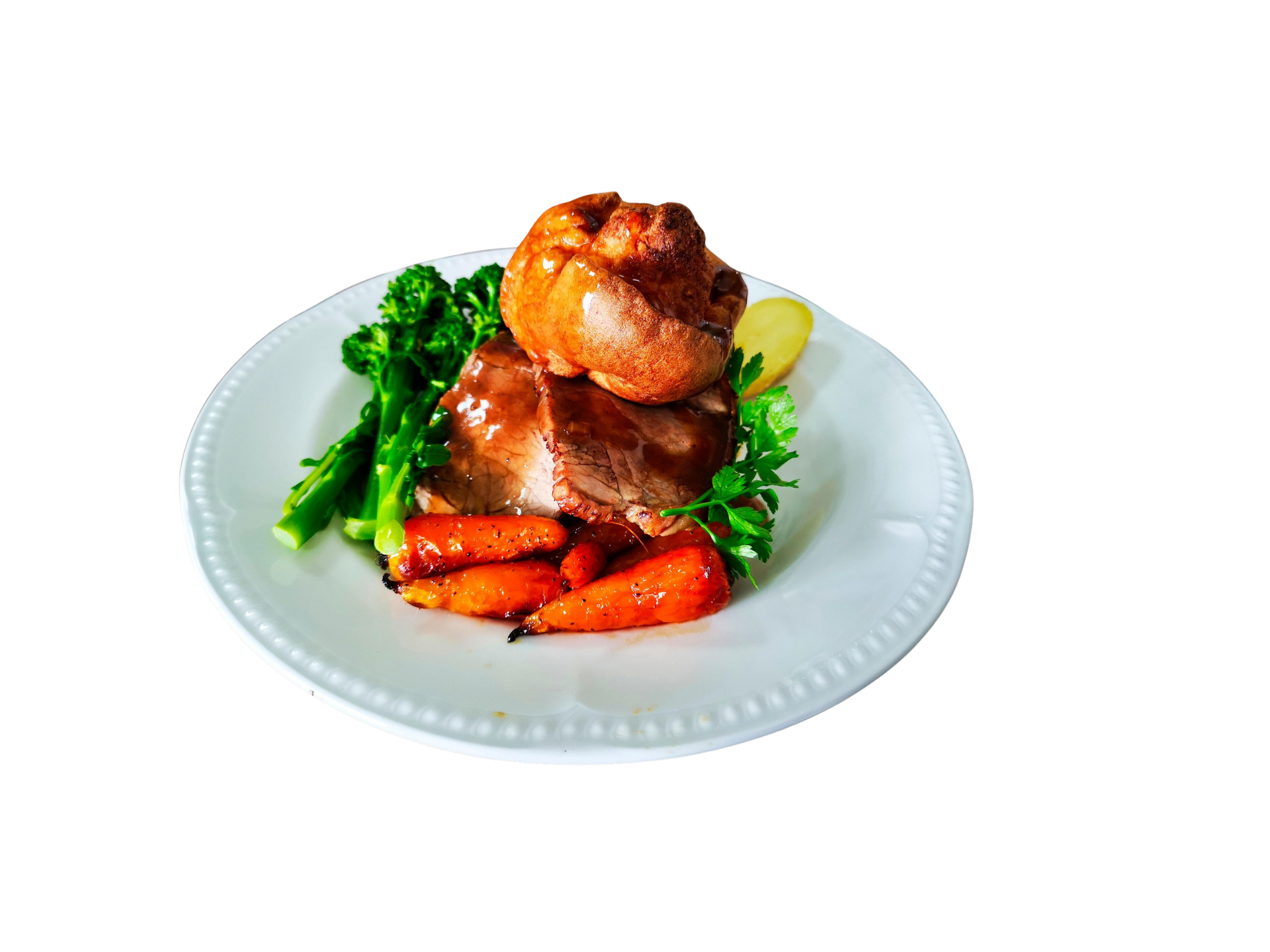
Diabetes is one of the most common conditions in UK care homes. Around one in four care home residents has diabetes, and many more are at risk. Getting the food right isn’t just about blood sugar — it’s about quality of life, dignity, and meeting CQC/CIW standards. This guide covers how to plan diabetic-friendly meals that residents actually want to eat.
What Diabetic-Friendly Meals Mean for Care Home Kitchens
Diabetes management in care homes has changed significantly in recent years. The old approach of “no sugar, no carbs” has been replaced by a more balanced understanding:
- Residents with diabetes need consistent carbohydrate intake, not zero carbs
- Low glycaemic index (GI) foods help maintain stable blood sugar
- Portion size matters more than elimination
- Medication timing affects when and how much a resident should eat
- Type 1 and Type 2 diabetes require different approaches
The key principle: don’t create a “diabetic menu” separate from the main menu. Instead, adapt the main menu to include diabetic-friendly options at every meal.
Key Principles for Diabetic-Friendly Catering
| Principle | What It Means | Kitchen Practice |
|---|---|---|
| Consistent carbs | Similar carb amounts at each meal | Standardise portion sizes for potatoes, rice, pasta, bread |
| Low GI first | Choose carbs that release energy slowly | Wholegrain bread, oats, basmati rice, sweet potato, pulses |
| Protein at every meal | Protein helps stabilise blood sugar | Include eggs, fish, lean meat, beans, or tofu at breakfast, lunch, and supper |
| Limit added sugar | Reduce sugar in cooking, not just desserts | Cut sugar in sauces, dressings, and baked goods — residents often won’t notice |
| Don’t ban treats | Total restriction leads to cheating and unhappiness | Offer small, occasional sweet options — sugar-free jelly, small portions of regular dessert |
| Hydration matters | Dehydration can spike blood sugar | Offer water, sugar-free squash, and unsweetened tea/coffee throughout the day |
Building a Diabetic-Friendly Menu
1. Rethink Breakfast
Breakfast is often the biggest challenge. Sugary cereals, white toast with jam, and fruit juice spike blood sugar first thing. Better options:
- Porridge with berries (not dried fruit)
- Wholegrain toast with eggs or avocado
- Greek yoghurt with nuts and seeds
- Sugar-free muesli with milk
2. Build Balanced Mains
Every main meal should follow the “plate method”:
- Half the plate: non-starchy vegetables or salad
- Quarter: lean protein (meat, fish, eggs, beans, tofu)
- Quarter: low-GI carbs (wholegrains, pulses, sweet potato)
3. Rethink Desserts
Residents with diabetes don’t need to miss out on dessert. Options:
- Sugar-free jelly with custard (reduced sugar)
- Fresh fruit with yoghurt
- Baked apple with cinnamon (no added sugar)
- Small portion of regular dessert (half the usual serving)
4. Include Texture-Modified Options
Residents on pureed or soft diets need diabetic-friendly options too. Pureed versions of low-GI meals, sugar-free moist puddings, and smooth yoghurts work well.
Why This Matters
Ops Impact
Diabetic-friendly cooking is largely about adapting what you already do — swapping ingredients, adjusting portions, and being mindful of sugar. It doesn’t require a separate menu or significant extra cost.
Regulatory Impact
CQC inspectors expect to see evidence that residents’ medical conditions inform their food choices. A home with many diabetic residents should have a documented approach to diabetic-friendly catering, and staff should be able to explain it.
Resident Impact
Well-managed diabetes means better energy levels, fewer complications, and better overall health. Poorly managed diabetes leads to hospital admissions, falls, and reduced quality of life.
CQC / CIW Expectations
Inspectors check for:
- Care plans informed by medical needs — diabetes type, medication, and dietary requirements documented
- Kitchen awareness — does the chef know which residents have diabetes and what they need?
- Menu adaptation — evidence that the menu is adapted, not just a separate “diabetic option”
- Monitoring — link between food intake and blood sugar management
Common Mistakes in Care Homes
Mistake 1: Making Diabetic Residents Eat Separately
Fix: Diabetic-friendly options should be part of the main menu. A resident with diabetes should be able to eat the same meal as everyone else, with minor adjustments.
Mistake 2: Focusing Only on Desserts
Fix: Blood sugar is affected by everything a resident eats, not just sweets. The carbohydrates in bread, potatoes, rice, pasta, and fruit have a bigger impact than a small dessert.
Mistake 3: Using “Diabetic” Processed Foods
Fix: “Diabetic” labelled products (chocolate, biscuits, jam) are often high in fat and sweeteners, and can have a laxative effect in elderly residents. Fresh, properly portioned food is better.
Quick Tips for Kitchen Managers
- Switch to wholegrain versions of bread, rice, and pasta for everyone — it benefits all residents
- Reduce sugar in recipes gradually — residents adjust and won’t notice the change
- Keep a list of diabetic residents in the kitchen with their preferred meal choices
- Offer sugar-free drinks and water consistently throughout the day
- Work with the nursing team to understand meal timing relative to medication
FAQs
Should diabetic residents avoid all carbohydrates?
No. Carbohydrates are essential for energy, especially in elderly residents who may be frail. The goal is consistent, appropriate portions of low-GI carbs, not elimination.
Can diabetic residents have dessert?
Yes, in moderation. A small portion of a regular dessert, sugar-free jelly, or fresh fruit with yoghurt is fine. The key is portion control and timing.
How do I handle diabetic residents on texture-modified diets?
Pureed meals can be higher in sugar if you’re using commercial thickeners or sweetened liquids. Check the sugar content of any thickeners, milk alternatives, and pureed fruit. Puree the same low-GI meals as everyone else.
Do small care homes have different requirements?
No. The principles are the same. Small homes may find it easier to adapt meals individually rather than running a separate menu.
Next Steps
Recommended reading:
Need help with special diets in your care home?
KitchenFlow provides practical training and menu planning for care homes. Book a call to discuss your kitchen.
Last updated: July 2026
Category: cqc-compliance