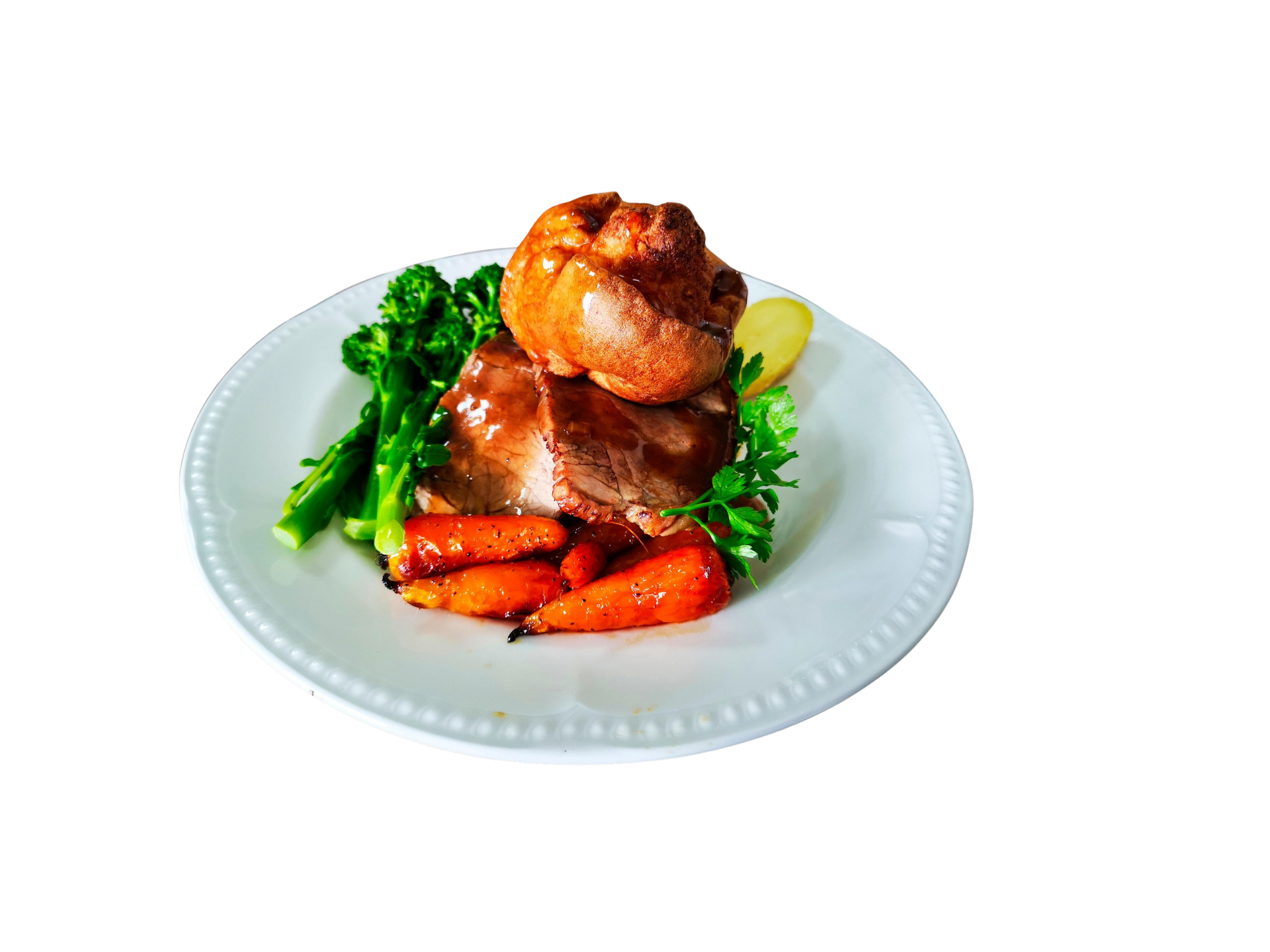
Dementia changes how residents experience food. It’s not just about memory loss — it affects taste, smell, appetite, swallowing, and the ability to recognise food. For care home kitchens, this means adapting not just what you serve, but how and when you serve it. This guide covers practical strategies for managing dementia-related eating challenges.
What Dementia-Related Eating Challenges Mean for Care Home Kitchens
Weight loss and malnutrition are common in residents with dementia. Around 40% of people with dementia experience significant weight loss after diagnosis. The causes are complex:
- Loss of appetite due to changes in smell and taste
- Difficulty recognising food on a plate
- Problems with swallowing (dysphagia) that develop as dementia progresses
- Forgetting to eat, or forgetting they’ve already eaten
- Agitation or confusion during mealtimes
- Difficulty using cutlery or self-feeding
The kitchen plays a central role in managing these challenges — often more than people realise.
Understanding the Stages of Dementia and Eating
| Stage | Eating Challenges | Kitchen Response |
|---|---|---|
| Early stage | Forgetfulness about meals, reduced appetite, difficulty shopping or cooking | Familiar foods, regular meal times, prompting to eat |
| Middle stage | Difficulty using cutlery, food recognition issues, wandering during meals | Finger foods, high-calorie options, calm dining environment |
| Late stage | Severe swallowing difficulties, weight loss, needing full assistance | Texture-modified diets, nutrient-dense purees, assisted feeding |
Practical Strategies for Dementia-Friendly Meals
1. Make Food Easier to Recognise
Residents with dementia can struggle to identify food on a plate. Use contrasting colours — white fish on a white plate disappears. Serve foods in recognisable shapes. A pureed meal that’s moulded back into its original shape (e.g., a fish-shaped fishcake) is far more likely to be eaten.
2. Finger Foods Are Your Friend
Many residents with dementia lose the ability to use cutlery but can still feed themselves with their hands. Finger foods maintain dignity and independence. Good options:
- Sandwich quarters with easy-to-hold fillings
- Sausage rolls, pasties, savoury muffins
- Vegetable sticks with dip
- Fruit segments — not slices
- Mini quiches and frittatas
- Breaded fish goujons or chicken strips
3. Boost Calorie and Nutrient Density
Residents with dementia often eat small amounts, so every mouthful counts. Enrich meals with:
- Full-fat dairy (cream, butter, cheese) in cooking
- Fortified milk (add dried milk powder to regular milk)
- Nutrient-dense additions (ground almonds, nut butters, avocado)
- Protein powders in purees and soups
- Egg enrichment in custards, sauces, and mash
4. Create a Calm Dining Environment
What happens outside the kitchen matters as much as what’s on the plate. Work with the care team to ensure:
- Low noise levels during meals
- Simple table settings (no patterned plates or busy tablecloths)
- Consistent seating and dining companions
- Adequate time — rushed meals lead to under-eating
5. Adapt to Changing Needs
Dementia is progressive. The meal that worked six months ago may not work today. Review each resident’s eating ability regularly and adjust texture, presentation, and support accordingly.
Why This Matters
Ops Impact
Dementia-friendly catering often means less waste — residents eat more of what they’re served. Finger foods and high-calorie options also reduce the need for costly supplements and between-meal snacks.
Regulatory Impact
CQC and CIW inspectors look specifically at how homes manage mealtimes for residents with dementia. Weight loss, poor food intake, and lack of adapted provision are common findings in inspection reports.
Resident Impact
Getting this right can dramatically improve quality of life. A resident who was losing weight and refusing food can start eating well again with the right approach. It’s one of the most impactful things a kitchen can do.
CQC / CIW Expectations
Inspectors check for:
- Individualised mealtime support — not a one-size-fits-all approach
- Weight monitoring — evidence that weight loss triggers a dietary review
- Adapted food provision — finger foods, texture modification, high-calorie options
- Staff training — do staff understand how dementia affects eating?
- Dignity — are residents supported to eat as independently as possible?
Common Mistakes in Care Homes
Mistake 1: Treating All Dementia Residents the Same
Fix: Dementia affects people differently. One resident may need finger foods, another may need a calm environment, another may need swallowing support. Assess each person individually.
Mistake 2: Relying on Oral Nutritional Supplements Too Early
Fix: Fortified, well-presented food should be the first line of defence. Prescription supplements (Fortisip, Ensure) have their place, but they’re not a substitute for good catering.
Mistake 3: Ignoring the Dining Environment
Fix: The best food in the world won’t be eaten if the dining room is noisy, chaotic, or confusing. The kitchen and care team must work together on the whole mealtime experience.
Quick Tips for Kitchen Managers
- Keep a rotating selection of finger foods available at every meal
- Use colourful, contrasting plates and bowls to help food recognition
- Fortify everything — add cream, butter, cheese, and milk powder where you can
- Serve small, frequent “mini meals” rather than three large ones
- Review resident food intake weekly, not monthly
FAQs
What if a resident with dementia refuses to eat?
Try different foods, different times, and different environments. Offer small portions of high-calorie favourites. Work with the care team to identify patterns — is there a time of day when they eat better?
Should I puree food for all residents with dementia?
No. Only puree when there’s a diagnosed swallowing difficulty (dysphagia). Many residents with dementia can eat soft, bite-sized, or finger foods without needing purees. Unnecessary pureeing can reduce quality of life.
How do I make pureed meals more appealing for dementia residents?
Mould pureed food into recognisable shapes. Use contrasting colours on the plate. Add flavour boosts (herbs, spices, cheese) to compensate for reduced taste perception. Serve at the right temperature — not too hot.
Do small care homes have different requirements?
The principles are the same. Small homes may have an advantage — they can offer more individualised, flexible mealtime support because ratios are better and staff know each resident well.
Next Steps
Recommended reading:
- Dysphagia Awareness in Care Homes
- Texture, Taste & Swallowing: The Aging Resident’s Dining Experience
Need help with dementia-friendly catering?
KitchenFlow provides practical training and menu planning for care homes supporting residents with dementia. Book a call to discuss your kitchen.
Last updated: July 2026
Category: cqc-compliance