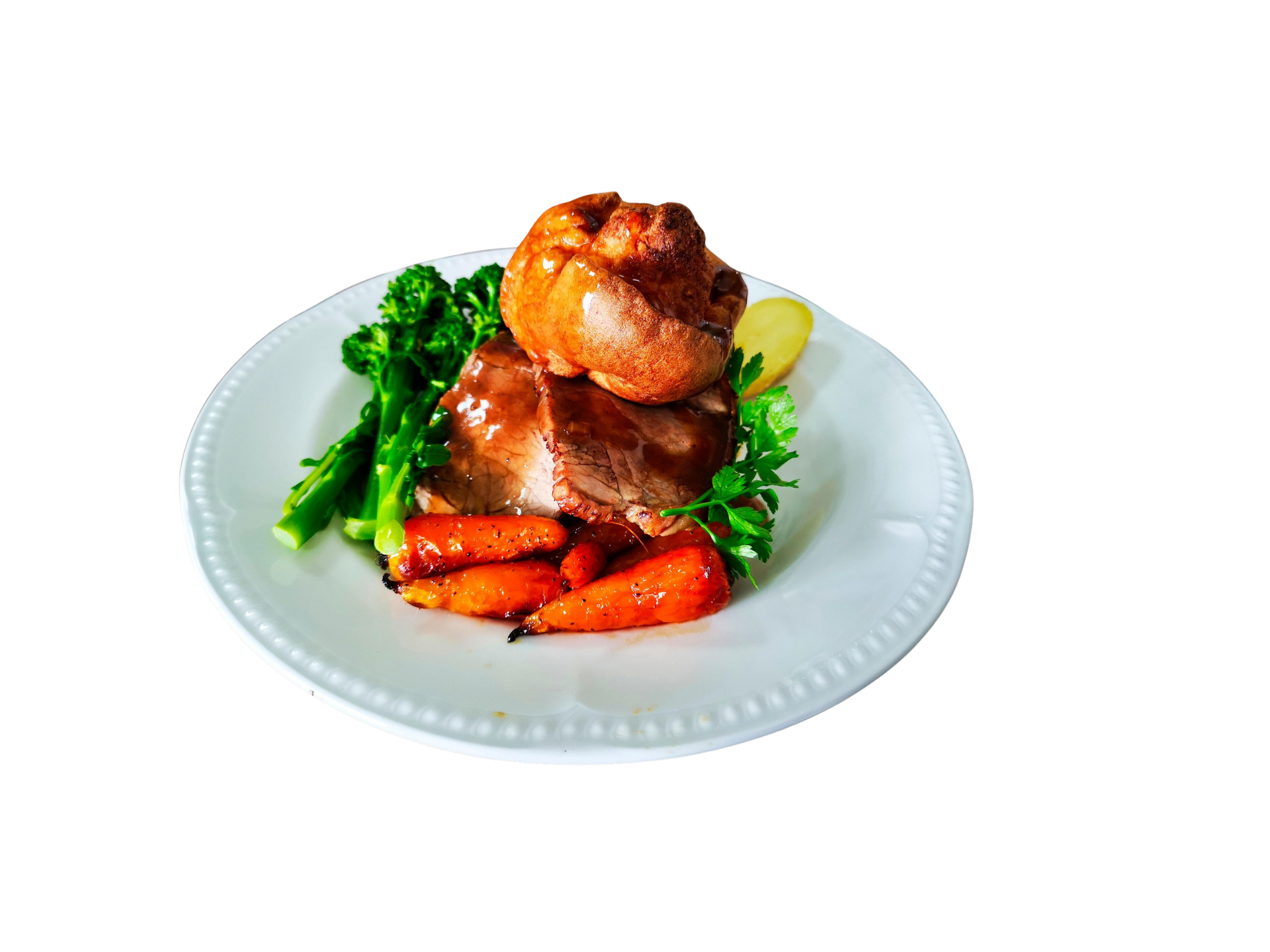
As residents age, their relationship with food changes. Taste buds dull, swallowing becomes harder, and the simple pleasure of eating can become a challenge. For care home kitchens, this isn’t a problem to fix once — it’s a daily reality that requires understanding, adaptation, and creativity. This guide covers how to deliver a dining experience that works for aging residents.
What Texture, Taste & Swallowing Mean for Care Home Kitchens
The aging process affects every aspect of eating:
- Taste: Most people lose up to 50% of their taste buds by age 75. Sweet and salty are affected first, which is why residents often complain food is “bland.”
- Smell: Loss of smell (hyposmia) affects flavour perception. Residents may not be able to distinguish between foods they used to love.
- Chewing: Dental issues, ill-fitting dentures, and reduced jaw strength make chewing difficult.
- Swallowing: Age-related muscle weakness and neurological conditions make swallowing harder and slower, increasing the risk of choking and aspiration.
- Appetite: Reduced metabolism, smaller stomach capacity, and medication side effects all reduce appetite.
A good care home kitchen doesn’t just accept these changes — it works with them.
Three Pillars of the Aging Dining Experience
| Pillar | Challenge | Kitchen Response |
|---|---|---|
| Texture | Difficulty chewing and swallowing | IDDSI-compliant textures, soft cooking methods, moisture management |
| Taste | Reduced taste bud sensitivity | Bold flavours, natural umami, texture contrast, visual appeal |
| Swallowing | Slower, less coordinated swallow reflex | IDDSI assessment, appropriate consistencies, pacing, posture |
Boosting Flavour Without Salt and Sugar
Many residents need more flavour, not less. But adding salt and sugar is often restricted by health conditions. Here’s how to add flavour without compromising health:
1. Use Umami-Rich Ingredients
Umami (savoury flavour) is the most effective way to boost taste for elderly residents. Add:
- Mushrooms (fresh or dried, ground into powder)
- Tomato puree and sun-dried tomatoes
- Parmesan cheese (or nutritional yeast for dairy-free)
- Soy sauce or tamari (low-sodium versions)
- Marmite or yeast extract
- Bone broth or stock from scratch
2. Maximise Aroma
Since smell is strongly linked to taste perception, make food smell as good as it tastes. Use fresh herbs, garlic, onion, ginger, and spices. The aroma of a meal should reach the resident before the plate does.
3. Add Texture Contrast
Even within texture-modified diets, you can create contrast. A smooth puree topped with a small amount of crunchy garnish (for residents who can handle it), or a soft main with a smooth sauce, adds interest.
4. Use Colour and Presentation
When taste is reduced, residents eat with their eyes. A colourful plate with contrasting colours signals “this is food” to the brain. Moulded purees, bright vegetables, and garnishes that match the meal’s flavour all help.
Managing Texture and Swallowing
1. Follow IDDSI Standards
The International Dysphagia Diet Standardisation Initiative (IDDSI) provides a framework for texture-modified foods and thickened drinks. Every care home should be using IDDSI to classify and prepare modified meals.
2. Moisture Is Critical
Dry, crumbly, or sticky foods are dangerous for residents with swallowing difficulties. Ensure all modified meals are moist enough to swallow safely. Use gravy, sauce, custard, or jelly to add moisture without changing texture classification.
3. Watch Temperature
Residents with reduced sensation in the mouth may not register that food is too hot, risking burns. Serve all food at a safe, warm temperature — not piping hot.
Why This Matters
Ops Impact
Understanding the aging dining experience helps you reduce waste. When residents eat more of what’s served, costs go down and satisfaction goes up. It also reduces the need for expensive supplements and medical interventions.
Regulatory Impact
CQC and CIW inspectors assess the entire dining experience, not just the food. Key lines of inquiry include whether food is enjoyable, whether residents are supported to eat, and whether the environment supports dignified dining.
Resident Impact
This is where the kitchen can make the biggest difference to quality of life. A resident who looks forward to meals eats better, gains or maintains weight, and has a better overall experience of care home life.
CQC / CIW Expectations
Inspectors check for:
- IDDSI compliance — are texture-modified diets correctly classified and prepared?
- Food enjoyment — do residents actually like the food? (Inspectors ask residents this directly)
- Dignified dining — appropriate tableware, seating, support, and timing
- Individualised approach — one resident’s needs may be very different from another’s
- Staff knowledge — can the chef explain how they adapt meals for aging residents?
Common Mistakes in Care Homes
Mistake 1: Bland Is Better
Fix: Bland food is one of the biggest complaints from residents. Aging taste buds need more flavour, not less. Use herbs, spices, umami ingredients, and natural flavour boosters.
Mistake 2: Same Texture, Same Presentation, Every Day
Fix: Variety in texture, colour, and presentation keeps meals interesting. A pureed meal doesn’t have to look like a pureed meal — use moulds, layering, and garnishes.
Mistake 3: Ignoring the Dining Environment
Fix: No amount of kitchen effort fixes a dining room that’s too noisy, too bright, or too rushed. The environment is part of the meal.
Quick Tips for Kitchen Managers
- Add umami to everything — mushrooms, tomato, parmesan, stock
- Make pureed meals look like the real thing — use moulds and layering
- Always serve with adequate sauce, gravy, or moisture
- Use contrasting colours on the plate to help food recognition
- Eat what you serve — taste your own pureed meals and see if you’d enjoy them
FAQs
Why do residents complain that food is bland even when I add seasoning?
Age-related taste loss means you need significantly more flavouring than you think. Double your herbs, add umami boosters, and check that the aroma is strong enough. What tastes seasoned to you may taste like nothing to a resident.
How do I know if a resident needs a texture-modified diet?
This should be assessed by a speech and language therapist (SALT). Never start a texture-modified diet without a professional assessment. If you suspect a resident is struggling to swallow, flag it to the care team.
Can I improve the taste of pureed meals?
Absolutely. Pureed meals often lose flavour during processing. Boost with herbs, spices, stock, cheese, and umami ingredients. Taste the puree itself — not just the original dish — and adjust seasoning accordingly.
Do small care homes have different requirements?
The same standards apply. Small homes have the advantage of being able to tailor meals more individually. Use that flexibility to create a dining experience that matches each resident’s needs.
Next Steps
Recommended reading:
- IDDSI Levels Explained
- Managing Dementia-Related Eating Challenges
- Dysphagia Awareness in Care Homes
Need help creating a better dining experience?
KitchenFlow helps care homes deliver meals that residents actually enjoy. Book a call to discuss your kitchen.
Last updated: July 2026
Category: cqc-compliance