The Complete Guide to Care Home Catering
Care home catering is the single most inspected part of your operation. Every meal touches food safety, allergen control, CQC regulation, IDDSI texture modification, dietary needs, and kitchen staffing — all in one service. Get it wrong and residents suffer, inspectors downgrade you, and your team burns out. Get it right and the kitchen becomes the strongest part of your inspection report.
This guide is the full picture. It links out to the detailed guides on every sub-topic so you can deep-dive where you need to.
What care home catering actually covers
Care home catering isn’t the same as restaurant catering. You’re not optimising for taste or speed. You’re optimising for:
- Safety — food that’s free from pathogens, allergens and physical hazards
- Compliance — meeting CQC (England), CIW (Wales) and Care Inspectorate (Scotland) standards
- Nutrition — hitting protein, calorie and hydration targets for older adults
- Texture modification — IDDSI levels 3–7 for residents with dysphagia
- Dietary needs — diabetic, vegetarian, halal, kosher, allergy, dementia-friendly
- Dignity — meals served in a way that respects the resident
If you’re a new care home manager, head chef, or kitchen lead, our detailed breakdown of CQC kitchen regulations covers what inspectors actually score you on. If you’ve been doing this for years, you probably already know — but the regulations shift, and a refresher every 12 months keeps you sharp.

1. CQC compliance: the inspection framework
The CQC rates care homes on five key questions: Safe, Effective, Caring, Responsive and Well-Led. Food and catering touches all five.
What CQC inspectors look for in the kitchen
CQC inspectors will:
- Observe the kitchen — cleanliness, equipment condition, food storage, temperature logs
- Talk to kitchen staff — do they understand the systems? Are they trained?
- Review records — fridge logs, cleaning schedules, training certificates, allergen info
- Talk to residents — do they enjoy the food? Can they choose? Is it the right texture?
The official CQC standards don’t mention “food” much, but food shows up everywhere:
- Safe (KLOE S1) — food hygiene, allergen control, choking risk
- Effective (KLOE E1) — nutrition, hydration, weight monitoring
- Caring (KLOE C1) — choice, dignity, mealtime experience
- Responsive (KLOE R1) — menus that reflect preferences and cultural needs
- Well-Led (KLOE W1) — kitchen leadership, supervision, training records
Our CQC staff ratios in care homes guide covers the staffing side. For food choice and dining experience specifically, how CQC inspectors score food choice and dining experience walks through what Caring and Responsive look like in practice.
Single Assessment Framework (SAF) update
CQC moved to a Single Assessment Framework in 2024. The food-relevant evidence categories haven’t changed much, but the evidence collection model has. You’ll now see quality statements instead of KLOEs, and the inspector will pull evidence from multiple sources — not just an inspection day visit.
The bottom line: document everything. If it’s not written down, it didn’t happen.
The five CQC key questions and what they mean for the kitchen
| CQC Key Question | What it means in the kitchen | What the inspector will look at |
|---|---|---|
| Safe | Food is free from harm | HACCP records, temperature logs, allergen control, staff hygiene, equipment cleanliness |
| Effective | Food delivers nutrition and hydration | Menu planning, weight monitoring records, fortified food, fluid charts, dietitian input |
| Caring | Meals respect dignity and choice | Choice offered, menu rotation, cultural/religious diets, mealtime support, presentation |
| Responsive | Menus reflect individual needs | Texture modification (IDDSI), allergy management, diabetic/halal/vegetarian options, soft diet |
| Well-Led | Kitchen is managed competently | Training records, supervision, food safety certificates, leadership structure, audits |
The five questions overlap heavily in the kitchen. A strong food safety culture (Safe) supports Effective nutrition. A caring dining experience (Caring) depends on Responsive menu design. You can’t be Well-Led without all four. Read the kitchen as one system, not five silos.
What inspectors look at on the day
CQC inspection days are unpredictable, but the pattern is consistent. Inspectors typically spend 30-90 minutes in or near the kitchen, working through a checklist that looks like this:
- Walk the kitchen — cleanliness, layout, equipment condition, food storage, waste management
- Read the records — fridge/freezer logs (last 30 days), cleaning schedules, training certificates, allergen sheets, menus
- Talk to the chef — do they know the systems? Can they explain HACCP? Do they know each resident’s dietary needs?
- Talk to kitchen assistants — are they Level 2 trained? Do they know what to do with a new allergy alert?
- Talk to residents — do they enjoy the food? Is choice offered? Are portions right? Is the food hot enough?
- Check a sample meal — does the plated food match the menu, the diet sheet, and the allergen record?
Inspectors don’t need to see a problem — they need to see that you would catch a problem if it happened. The systems matter more than the outcome of any single meal.

2. Food safety and HACCP
Every care home kitchen needs a written food safety management system based on HACCP principles. “We just do it carefully” is not a system.
The seven HACCP principles
- Identify hazards
- Determine critical control points (CCPs)
- Establish critical limits
- Monitor CCPs
- Take corrective action when limits are breached
- Verify the system works
- Keep records
The practical version for a care home kitchen looks like this:
- Hazard identification — bacterial growth, cross-contamination, allergens, physical objects, chemical contamination
- CCPs — cooking temperature (75°C core), hot holding (63°C+), cold storage (below 5°C), cooling (63°C → 3°C in 4 hours)
- Monitoring — daily fridge/freezer logs, cooking temperature records, hot holding checks
- Records — kept for at least 6 months, ideally a year
Our HACCP for care home kitchens guide walks through a working system you can adapt. Our food safety in care homes essential guide covers the everyday practices — temperature control, cross-contamination, personal hygiene.
Level 2 Food Hygiene — the minimum standard
Every kitchen team member should hold a Level 2 Award in Food Safety (or equivalent). This is one-day training with a multiple-choice test. Refresh every three years.
For new starters, train them within their first month. CQC will check certificates and dates. Don’t let this lapse.
Temperature control: the non-negotiable numbers
Temperature abuse is the single most common food safety failing in care homes. Get these numbers right and you’ve closed the biggest risk:
| Stage | Critical limit | How to check | How often |
|---|---|---|---|
| Cold storage | 0–5°C | Fridge thermometer + probe | Daily, every shift |
| Freezer | Below -18°C | Freezer thermometer | Daily |
| Hot holding | 63°C or above | Probe in food | Every 30 minutes during service |
| Cooking (poultry/mince) | 75°C core for 30 seconds | Probe in thickest part | Every batch |
| Cooking (other meats) | 70°C for 2 minutes | Probe in thickest part | Every batch |
| Reheating | 70°C core for 2 minutes | Probe in centre | Every portion |
| Cooling (hot to cold) | 63°C → 3°C within 4 hours | Probe + time log | Every batch |
| Delivery (chilled) | Below 5°C on arrival | Probe at delivery | Every delivery |
Probe thermometers are not optional. Every kitchen should have at least two — one fixed, one backup. Calibrate them monthly in ice slurry (should read 0°C ± 1°C) and boiling water (should read 99-100°C).
Cross-contamination: the four surfaces that matter
Most cross-contamination in care homes happens on these four surfaces, in this order:
- Hands — the biggest risk. Wash between raw and ready-to-eat, between tasks, after touching face/hair/bin
- Chopping boards — colour-coded system: red (raw meat), blue (raw fish), green (vegetables/salad), yellow (cooked), white (dairy/bread)
- Knives — separate by colour or wash between uses with hot water and detergent
- Cloths — use disposable where possible, or change hourly. Never wipe a surface clean and then use the same cloth to wipe food prep

3. Allergen control and Natasha’s Law
Natasha’s Law (2021) requires all food prepared on-site and packed for direct sale to carry a full ingredient list with allergens emphasised. In a care home, this affects:
- Food sent out on day trips
- Food given to family members to take home
- Food given to visitors
For meals served on the premises, you’re still bound by allergen information requirements (FIC 2014). You must be able to tell every resident, every visitor and every inspector what’s in every dish.
The 14 allergens
- Cereals containing gluten
- Crustaceans
- Eggs
- Fish
- Peanuts
- Soybeans
- Milk
- Nuts
- Celery
- Mustard
- Sesame seeds
- Sulphur dioxide and sulphites
- Lupin
- Molluscs
Every recipe card in your kitchen should list all 14. Every dish on your menu should have a matching allergen sheet. Our allergen law and Natasha’s Law compliance guide walks through the legal detail, and allergy management in care homes covers the operational side — what to do when a resident has a known allergy, how to handle new admissions, how to prevent cross-contact.
The 14 allergens at a glance
EU/UK food law requires you to declare these 14 allergens on every dish, every time. Most care home menus include 6-8 of them in any given dish. The full list:
| # | Allergen | Common care home sources |
|---|---|---|
| 1 | Cereals containing gluten | Bread, pasta, pastry, battered foods, soy sauce |
| 2 | Crustaceans | Prawns, lobster, crab (less common in care homes) |
| 3 | Eggs | Cakes, mayonnaise, quiche, batter, some pasta |
| 4 | Fish | Fish dishes, fish sauce, Worcestershire sauce |
| 5 | Peanuts | Satay sauce, peanut butter, groundnut oil, some Asian dishes |
| 6 | Soybeans | Tofu, soy sauce, edamame, many processed foods |
| 7 | Milk | Butter, cheese, cream, yoghurt, milk powder, many baked goods |
| 8 | Nuts (tree) | Almonds, cashews, walnuts — often in desserts and salads |
| 9 | Celery | Celery salt, stock cubes, some ready meals |
| 10 | Mustard | Mustard powder, mustard dressing, some curries |
| 11 | Sesame seeds | Bun toppings, tahini, hummus, Middle Eastern dishes |
| 12 | Sulphur dioxide & sulphites | Dried fruit, wine, some preserves, processed potatoes |
| 13 | Lupin | Lupin flour (used in some breads and pasta) |
| 14 | Molluscs | Mussels, oysters, squid (less common in care homes) |
New admission checklist (allergy)
Every new resident with a known allergy needs this documented before their first meal:
- Allergy type and severity recorded on the diet sheet
- Allergy alert added to kitchen whiteboard and resident file
- Photo of the resident in the kitchen (with consent) for visual identification
- Specific dishes identified that contain the allergen
- Alternative dishes agreed and added to menu
- Emergency medication (antihistamine, EpiPen) location noted and accessible
- All kitchen staff briefed at handover before resident’s first meal
- Allergen sign-off in writing from the kitchen manager
One missed briefing is a hospital admission. Treat every new allergy alert as a critical control point.

4. IDDSI and dysphagia catering
Dysphagia (swallowing difficulty) affects up to 50% of care home residents. It dramatically increases the risk of choking, aspiration pneumonia, malnutrition and dehydration. The IDDSI framework (International Dysphagia Diet Standardisation Initiative) is the global standard for texture modification.
The 8 IDDSI levels (0–7)
- Level 0 — Thin liquid
- Level 1 — Slightly thick liquid
- Level 2 — Mildly thick liquid
- Level 3 — Liquidised food / Moderately thick liquid
- Level 4 — Pureed / Extremely thick liquid
- Level 5 — Minced and moist
- Level 6 — Soft and bite-sized
- Level 7 — Regular / Easy to chew
Most care home kitchens will serve Levels 4, 5, 6 and 7 daily. Some residents will need Level 3 or 4 liquids.
The kitchen’s role in dysphagia safety
The kitchen doesn’t diagnose dysphagia — that’s the speech and language therapist (SLT). But the kitchen must:
- Produce the right texture every time, consistently
- Test it (the IDDSI flow test for liquids, the fork test for solids)
- Label and serve it correctly
- Keep the texture-modified food appetising — not just “white mush on a plate”
Our IDDSI levels explained guide covers every level with examples. For specific levels, see:
- What is a level 4 pureed diet and what foods can you eat on a level 4 pureed diet
- Level 5 minced and moist diet guide
- IDDSI Level 6 soft and bite-sized
- Texture modified diets from level 3 to 7
Making modified food look good
Texture-modified food has a reputation for being unappetising. It doesn’t have to be. The trick is moulds, piping, layering, garnishing — treating it like restaurant food, not hospital food. Our guide to making dysphagia meals look appetising covers plating, moulds, and presentation techniques. For nutrition specifically, high protein pureed food for modified diet residents covers fortification.
For working recipes, pureed food recipes that actually taste good is a practical starting point.
IDDSI training for the whole kitchen team
Every kitchen assistant, cook, and chef should understand IDDSI. The SLT writes the diet sheet, but the kitchen implements it. One misjudged texture is a choking incident. Our IDDSI training for care homes covers what every kitchen team needs. For kitchen assistants specifically, dysphagia awareness for kitchen assistants is a 20-minute read.
For the bigger picture on the resident experience, dysphagia in care homes: practical guide for kitchen staff and texture, taste and swallowing: the aging resident dining experience tie it all together.
IDDSI level descriptors and tests
Every IDDSI level has a test. If the food or drink doesn’t pass the test, it doesn’t meet the level. The two most-used tests are the fork test (for solids) and the flow test (for liquids).
| Level | Description | Visual example | Test method |
|---|---|---|---|
| Level 0 | Thin liquid | Water, tea, coffee | Flows through a 10ml syringe in <10 seconds |
| Level 1 | Slightly thick | Some commercial milkshakes | Flows through syringe leaving 1-4ml in 10 seconds |
| Level 2 | Mildly thick | Some fruit juices with thickener | Flows through syringe leaving 4-8ml in 10 seconds |
| Level 3 | Liquidised / Moderately thick | Smooth soup, thick smoothies | Flows through syringe leaving >8ml in 10 seconds; fork drips steadily |
| Level 4 | Pureed / Extremely thick | Mashed potato, pureed carrots | Holds shape on fork; no lumps; fork prongs leave clear pattern |
| Level 5 | Minced and moist | Minced meat in thick sauce, mashed peas | Can be scooped with fork; lumps 2-4mm; wet texture |
| Level 6 | Soft and bite-sized | Steamed fish, soft casseroles | Can be mashed with fork pressure; lumps 8-15mm; soft throughout |
| Level 7 | Regular / Easy to chew | Normal food, but soft-cooked | No special test; can be cut with side of fork |
Print this table. Laminate it. Stick it on the kitchen wall. Every kitchen assistant should be able to recite the fork and flow tests.
IDDSI batch consistency checklist
One runny pureed meal is a choking incident. Run this checklist on every texture-modified batch:
- Did you use the same thickener brand and quantity as the SLT recipe?
- Did you test the level with the syringe or fork before plating?
- Is the food smooth (no lumps above the size limit for that level)?
- Has the food been held at the right temperature (not over-thickened by cooling)?
- Is each portion labelled with the resident’s name, room, and IDDSI level?
- Is the colour and presentation consistent with yesterday’s batch?
- Has a second person verified the test result?

5. Menu planning for older adults
A care home menu isn’t a restaurant menu. The priorities are:
- Nutritional density — protein, calcium, vitamin D, B12, fibre
- Hydration — fluids offered at every meal, plus mid-morning and mid-afternoon
- Familiarity — traditional dishes residents recognise
- Variety — minimum 3-week rotation, ideally 4-week
- Choice — at least two options at every meal
Nutritional requirements
Older adults need:
- 1.0–1.2g protein per kg body weight — higher if unwell or recovering
- 30–35 kcal per kg body weight — adjust for activity level
- 1500–2000ml fluid per day — often higher in summer or with fever
- Calcium — 1200mg/day (three portions of dairy)
- Vitamin D — 10mcg/day (supplement often needed)
These are starting points. Your dietitian will individualise for residents with specific conditions.
Cultural and religious diets
You must cater for halal, kosher, vegetarian, vegan, and other faith-based or ethical diets. This is both a CQC requirement and a basic dignity issue. Our guides cover:
Medical diets
Diabetic-friendly, low-sodium, renal-friendly, and other medical diets need coordination with the GP, dietitian and pharmacy. Our diabetic-friendly meals for elderly residents guide covers menu design and recipes.
Dementia-friendly dining
Residents with dementia face specific challenges: forgetting to eat, difficulty using cutlery, wandering, food refusal, preference changes. The kitchen’s role is providing finger food options, fortified food, and consistent routines. Our managing dementia-related eating challenges guide is a practical starting point.
Daily nutritional targets for older adults
Older adults in care have specific nutritional needs that differ from younger adults. The BAPEN (British Association for Parenteral and Enteral Nutrition) and NICE guidelines give these targets:
| Nutrient | Daily target | Why it matters | Common sources in care home menus |
|---|---|---|---|
| Energy | 30–35 kcal/kg body weight | Prevents weight loss, supports healing | Potatoes, bread, rice, pasta, oils, full-fat dairy |
| Protein | 1.0–1.2 g/kg (higher if unwell) | Prevents sarcopenia, supports immunity, wound healing | Meat, fish, eggs, dairy, beans, fortified foods |
| Fluid | 1,500–2,000 ml/day | Prevents dehydration, UTIs, confusion | Water, tea, squash, juice, soup, fruit, milk |
| Calcium | 1,200 mg | Bone health, prevents fractures | Milk, cheese, yoghurt, fortified plant milks |
| Vitamin D | 10 mcg (400 IU) | Bone health, immunity, mood | Oily fish, eggs, fortified spreads, supplement |
| Vitamin B12 | 1.5 mcg | Neurological function, energy | Meat, fish, eggs, dairy, fortified cereals |
| Fibre | 30 g | Prevents constipation | Wholegrain bread, beans, vegetables, fruit, oats |
| Iron | 8.7 mg | Prevents anaemia | Red meat, dark green veg, beans, fortified cereals |
Note that energy and protein needs increase during illness, recovery from surgery, or pressure sore healing. Residents losing weight should be referred to a dietitian — kitchen alone can’t solve it.
4-week menu rotation template
A 4-week rotation is the care home standard. Less than 3 weeks shows menu fatigue. More than 4 weeks is hard to manage operationally. Here’s a structure that works:
- Week 1 & 2: Two main menu options, one main dessert, one supper option
- Week 3 & 4: Different main dishes, same structure
- Daily pattern: Breakfast (cooked option 3x/week), main lunch, lighter tea/supper, two snacks (mid-morning, mid-afternoon)
- Two choices at lunch and tea — including one vegetarian/alternative
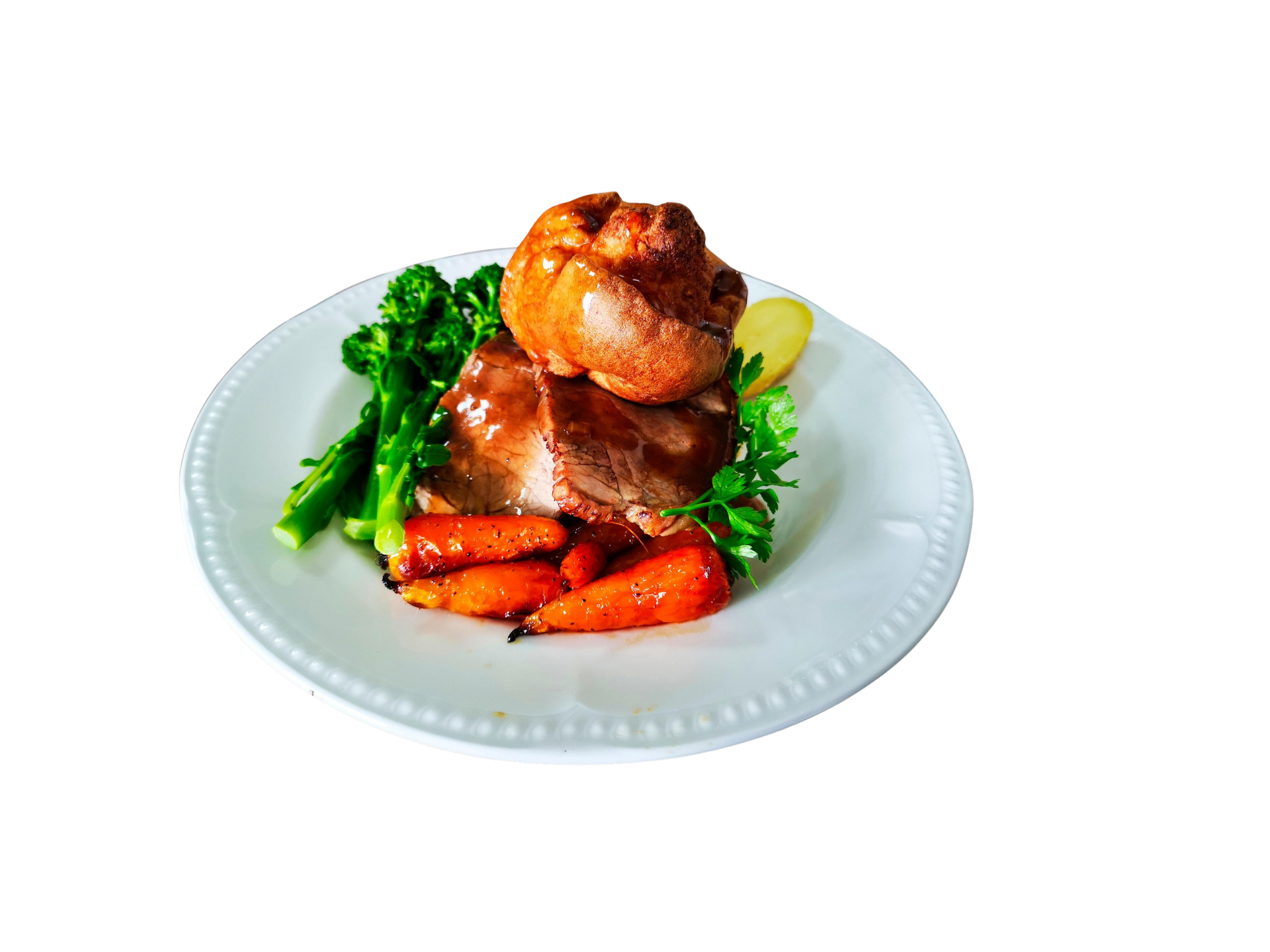
- Sunday: Traditional roast option, slightly more elaborate
- One cultural meal per week (e.g. curry Wednesday, fish Friday)
- Seasonal adjustments: 4 menu refreshes per year (spring/summer/autumn/winter)
Run resident menu meetings quarterly. Ask what they want, what they’re tired of, what they miss from home. The kitchen is the easiest place to score resident satisfaction wins.

6. Kitchen staffing
A care home kitchen can’t run on a single chef. The model that works:
- Head chef / cook — leads the kitchen, plans menus, manages stock
- Kitchen assistant(s) — prep, cleaning, plating, serving
- Relief cover — for holidays, sickness, training
Staffing ratios
CQC doesn’t prescribe a kitchen staffing ratio, but inspectors will look at whether the kitchen is adequately resourced for the resident numbers and dependency levels. The practical rule of thumb:
- 1 cook per 20–25 residents for full-service kitchens
- 1 kitchen assistant per 25–30 residents for prep, plating and cleaning
- Add 0.5 FTE if you’re doing extensive texture modification
Our CQC staff ratios in care homes guide covers the full framework. If you’re noticing your team is overstretched, 5 signs your care home kitchen needs more staff helps you diagnose the problem.
The role split
The split between chef and kitchen assistant varies by home, but the core distinction is:
- Chef/cook — menu planning, ordering, cooking, supervising
- Kitchen assistant — prep, cleaning, plating, serving, dishwashing
If you’re unsure about the role definitions, chef vs kitchen assistant in social care covers the practical differences.
Staffing ratios by home size
CQC doesn’t prescribe a kitchen-to-resident ratio, but inspectors will look at whether the kitchen is adequately resourced. As a rule of thumb for full-service kitchens (where food is cooked on-site from raw ingredients):
| Home size (residents) | Cook/Chef FTE | Kitchen assistant FTE | Notes |
|---|---|---|---|
| Under 20 | 1.0 | 1.0 | Combined role often; head office support essential |
| 20–40 | 1.5–2.0 | 2.0–2.5 | Split shifts needed for breakfast/lunch/tea |
| 40–60 | 2.0–2.5 | 2.5–3.5 | Add 0.5 FTE if extensive texture modification |
| 60–80 | 2.5–3.0 | 3.5–4.5 | Add head chef + deputy structure |
| 80+ | 3.0+ | 4.5+ | Consider specialist roles (pastry, IDDSI lead) |
FTE = full-time equivalent. A part-time cook working 25 hours/week = 0.6 FTE. These numbers are starting points — homes with high-acuity residents, complex dietary needs, or extensive IDDSI work may need 20-30% more kitchen hours.
Chef vs kitchen assistant: what each does
| Task | Chef/Cook | Kitchen Assistant |
|---|---|---|
| Menu planning | ✓ | — |
| Ordering & stock control | ✓ | — |
| Cooking main dishes | ✓ | — |
| Texture modification (IDDSI) | ✓ (lead) | ✓ (support, with training) |
| Allergen checking | ✓ (lead) | ✓ (verify per dish) |
| Veg prep | ✓ | ✓ |
| Plating & service | ✓ | ✓ |
| Cleaning | — | ✓ |
| Dishwashing | — | ✓ |
| Record-keeping (logs) | ✓ (review) | ✓ (fill in) |
| Training new starters | ✓ | — |
7. Emergency cover and relief chefs
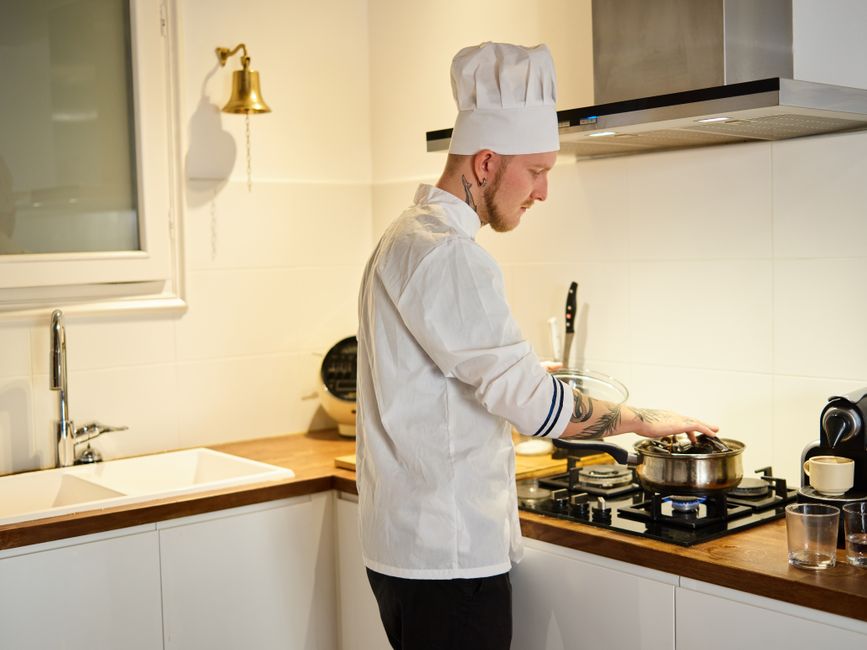
Chef sickness is the single most disruptive event in a care home kitchen. A care home catering operation without cover is one phone call away from a crisis.
When your chef calls in sick
You need a plan. Options:
- In-house cover — kitchen assistant steps up, with head office support
- Relief chef from a list — pre-vetted, on retainer
- Agency chef — last-resort, expensive, unfamiliar with your kitchen
The cheapest and safest option is having a small list of pre-vetted relief chefs. Our emergency kitchen cover guide covers the protocol step by step. Relief chef vs agency chef helps you choose.
How to vet a temporary chef
When you bring in cover, you need to check:
- Level 2 Food Hygiene (in date)
- DBS check (in date)
- Right to work
- References from other care homes
- IDDSI awareness
- Allergen awareness
Our vet a temporary chef guide walks through the checklist.
The true cost of last-minute absence
The cheap option is often the most expensive. A missed CQC inspection costs more than a relief chef. A food poisoning incident costs more than a year of cover. A resident choking on an incorrectly-textured meal costs more than anything. The true cost of last-minute chef absence breaks down the math.
Holiday cover
Don’t leave holiday cover to chance. Plan 4–6 weeks ahead for any chef holiday. Holiday chef cover planning covers the process.
Finding a temporary chef
If you don’t have a relief list, how to find a temporary chef for your care home covers the sourcing options.
Relief chef options compared
When your chef is off, you have four options. Each has trade-offs:
| Option | Cost (per day) | Speed (hours notice) | Quality | Best for |
|---|---|---|---|---|
| Internal cover (kitchen assistant steps up) | £0–80 (overtime) | 0–2 hours | Variable | Short absence, simple menus |
| Pre-vetted relief chef on retainer | £140–200 | 2–4 hours | High | Regular planned cover |
| Ad-hoc relief chef (no retainer) | £160–220 | 4–12 hours | High | Unexpected absences |
| Agency chef | £220–300+ | 12–48 hours | Mixed | Last resort, complex needs |
The pre-vetted relief chef on retainer is the sweet spot for most care homes. You pay a small retainer (or just a guaranteed booking rate), they prioritise your calls, and they know your kitchen. Relief chef vs agency chef covers the detail.
Chef absence decision tree
When the chef calls in sick, work through this in order:
- How long will they be off? Under 1 day = internal cover. Over 1 day = relief chef.
- Is the menu simple or complex today? Simple (sandwiches, salads, basic hot meal) = kitchen assistant with phone support. Complex (roast, IDDSI batches) = relief chef.
- Are there IDDSI residents? Yes = relief chef with IDDSI training. No internal cover on texture.
- What’s the cost of getting it wrong? CQC visit this week? Inspection due? High.
- Who is available on your relief list? Call them first. They know your kitchen.
- No relief list? Find a temporary chef via KitchenFlow or a vetted agency.
The true cost of last-minute chef absence usually runs £400-£1,500 per day once you count food waste, cancelled resident meals, agency mark-up, and inspection risk. A £200 relief chef is the cheap option.
8. The kitchen itself
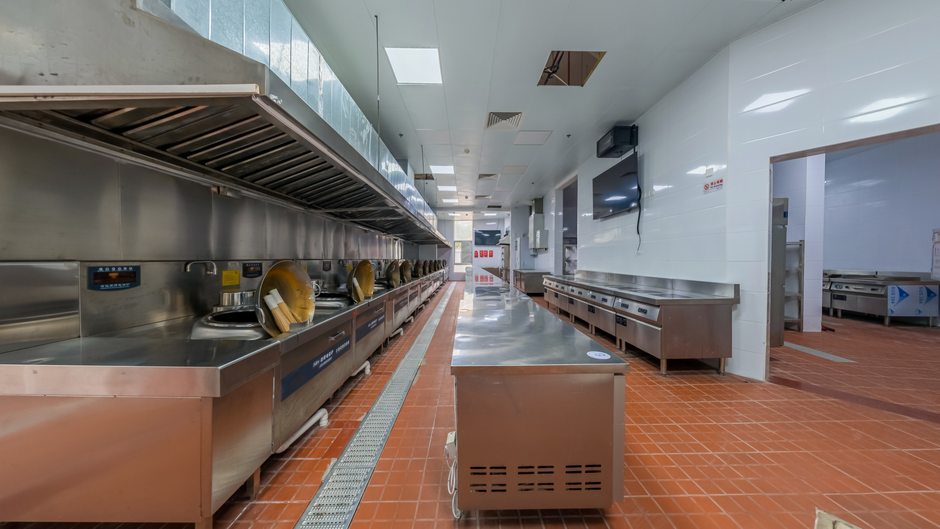
The physical kitchen matters more than people think. A poorly designed kitchen causes:
- Cross-contamination risk
- Slow service
- Chef fatigue and injury
- Cleaning problems
The kitchen flow
The classic care home kitchen layout:
- Delivery — separate entrance, easy to clean
- Storage — dry store, fridge, freezer, veg prep
- Prep — vegetable prep, meat prep, plated prep
- Cook — main cooking line
- Plate — portion control, IDDSI testing, allergen check
- Service — trolley or hotplate
- Wash-up — separate from prep, ideally separate room
- Waste — separate exit
Cross-contamination is the enemy. The flow should be one-way. Raw and ready-to-eat must never share a surface.
Equipment essentials
A care home kitchen needs:
- Commercial combi oven (or convection oven + steamer)
- Commercial hob
- Bratt pan or boiling pan
- Blender / food processor (Robot-Coupe or equivalent for IDDSI work)
- Cold storage (fridges, freezers, chilled display)
- Hot holding (bain marie, hot cupboard)
- Dishwasher (commercial, with wash/rinse temperatures logged)
- Probe thermometers
- IDDSI testing equipment (syringes, forks)
- Allergen labelling system
Cleaning schedule
Daily, weekly, monthly. Each item documented. A simple clipboard logbook works. CQC will check it. If it’s empty, you’re not cleaning.
Care home kitchen equipment checklist
A fully equipped care home kitchen covers the basics plus the specialist kit for IDDSI work. Here’s what every kitchen should have:
| Category | Essential equipment | Notes |
|---|---|---|
| Cooking | Combi oven, 6-burner hob, bratt pan or boiling pan, griddle | Combi oven is the single most useful piece of equipment |
| Food prep | Robot-Coupe or similar food processor, stick blender, food mixer | Robot-Coupe critical for IDDSI Level 4 purees |
| Cold storage | 2x upright fridge, 1x upright freezer, 1x chilled prep counter | Two fridges allow separation of raw and ready-to-eat |
| Hot holding | Bain marie, hot cupboard, soup kettle | Verify holding temperatures every 30 mins |
| IDDSI | 10ml syringe, IDDSI fork, food moulds, piping bags | Moulds make Level 4 look like food, not baby food |
| Temperature | 2x probe thermometers, fridge/freezer thermometers, oven thermometer | Calibrate monthly |
| Cleaning | Commercial dishwasher (with rinse temperature log), colour-coded chopping boards, separate cloths | Dishwasher must reach 82°C rinse temperature |
| Safety | Fire suppression (Ansul system), fire blanket, first aid kit, COSHH store | Fire suppression is a legal requirement in commercial kitchens |
| Storage | Dry store (pest-proof), allergen-separate shelf, chemical store | Allergen shelf separated and labelled |
9. Resident experience
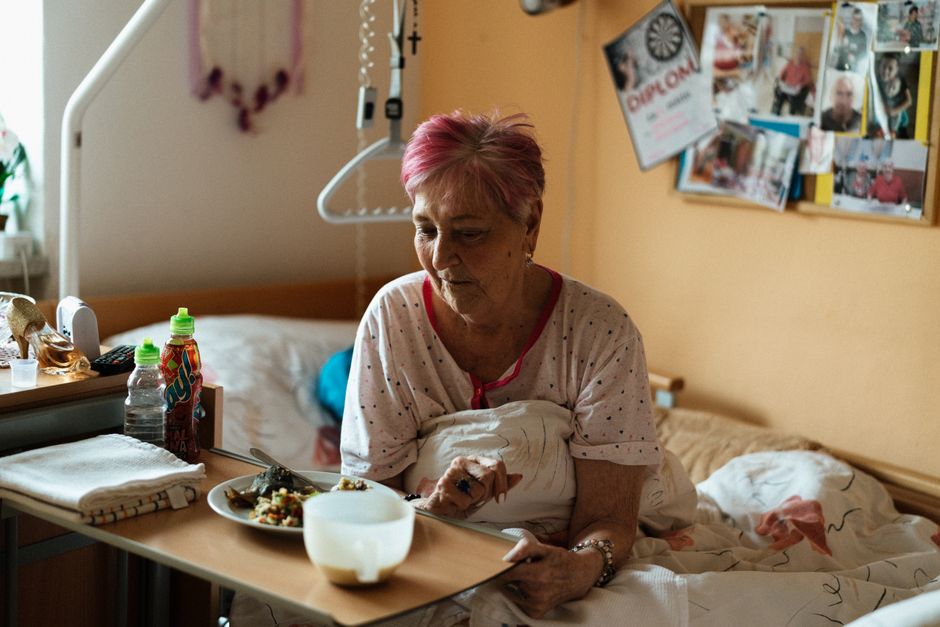
The food is the easy part. The dining experience is what residents remember.
Choice and dignity
- Two choices at every meal (more for lunch and Sunday lunch)
- A vegetarian option always available
- Resident meetings to discuss menus
- Tasting sessions for new dishes
- Clear labelling and menu cards
Mealtime support
Some residents need help eating. This isn’t the kitchen’s job, but the kitchen can help by:
- Fortified food for those at risk of malnutrition
- Finger food for residents who can’t use cutlery
- Modified texture for those with dysphagia
- Soft options for residents with dental issues
Hydration
Hydration is half the catering battle. Offer fluids at every meal, plus mid-morning, mid-afternoon, and evening. Squash, water, juice, tea, coffee. Variety matters.
10. Common mistakes (and how to avoid them)
1. Treating the kitchen as a cost centre
The kitchen is a regulatory function, a clinical function, and a resident experience function. Underfunding it shows up in CQC reports and resident satisfaction surveys.
2. No documented HACCP
“We just do it carefully” is not a system. Write it down.
3. Inconsistent IDDSI textures
If your level 4 is runny one day and thick the next, you’ve got a problem. Test every batch. Use the IDDSI flow test for liquids, fork test for solids.
4. Allergen complacency
Just because a resident has eaten the same dish for years doesn’t mean the recipe hasn’t changed. Recheck every batch.
5. Chef as single point of failure
Every kitchen needs cover. If your chef is the only person who can run the kitchen, you’re one phone call from a crisis.
6. No menu rotation
A 2-week rotation leads to menu fatigue. Residents notice. 3–4 week rotation is the minimum.
7. Ignoring feedback
Resident and family feedback is gold. Use it. Show that you used it.
11. The kitchen as a competitive advantage
Most care homes compete on room size, location and décor. Almost none compete on food. The ones that do — that put real effort into the kitchen, the menu, the dining experience — get noticed.
CQC inspectors notice. Families notice. Most importantly, residents notice.
A well-run kitchen is:
- Safer (fewer incidents)
- Compliant (better inspection reports)
- More efficient (less waste, better rotas)
- More attractive (better staff retention, better reputation)
The investment pays back. The kitchen isn’t a cost — it’s a competitive advantage.
12. Next steps
If you’ve read this far, you probably know what you need to do next. Pick one:
- Audit your HACCP — when did you last review it?
- Review your IDDSI consistency — test every batch
- Build a relief chef list — before you need it
- Refresh your menu — bring in resident feedback
- Train your team — Level 2 Food Hygiene, allergen, IDDSI
- Check your CQC readiness — walk through the inspection as if you’re the inspector
Need help with any of these? Get in touch with KitchenFlow for a consultation, relief chef cover, or a kitchen audit. We’ve been running care home kitchens for years and we know what works.
Related guides from KitchenFlow
Browse by topic — every guide below is written by someone whos worked in a care home kitchen, not a content writer.
CQC & Compliance
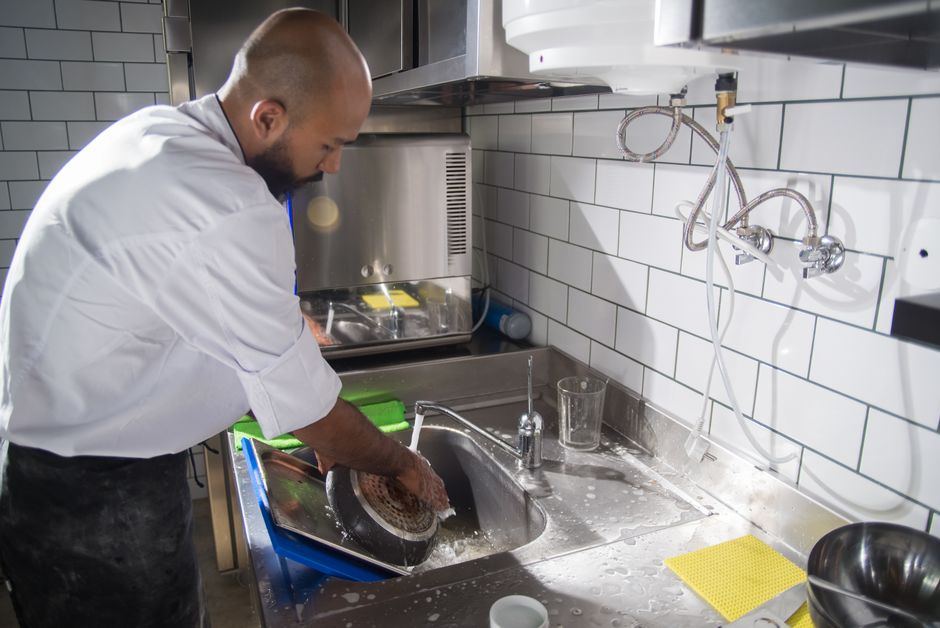
Inspection-ready kitchens, food safety frameworks, and documentation that keeps your rating safe.


IDDSI & Dysphagia
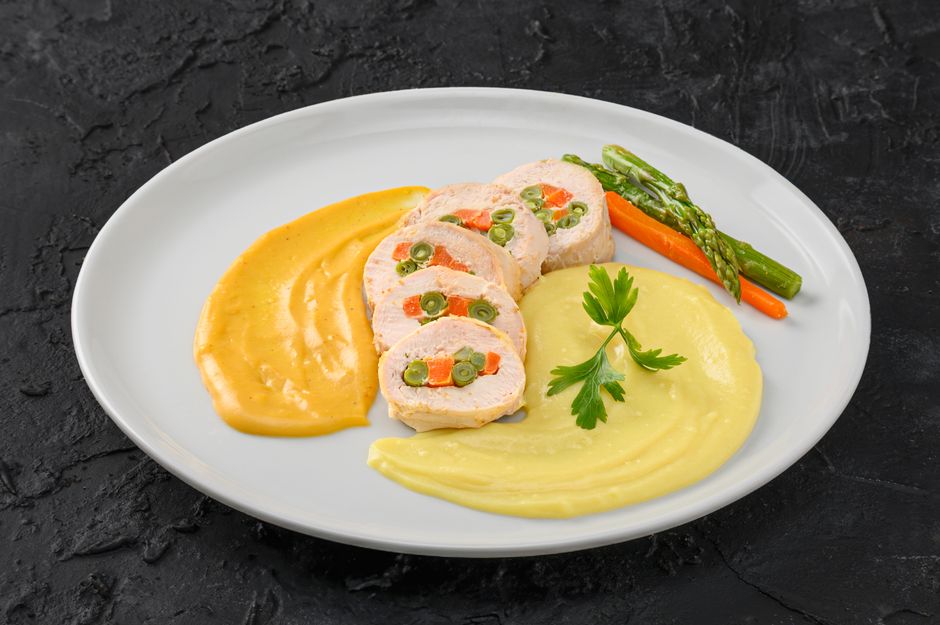
Texture-modified diets, level-by-level guidance, and dysphagia support that actually works.


Menu & Dietary
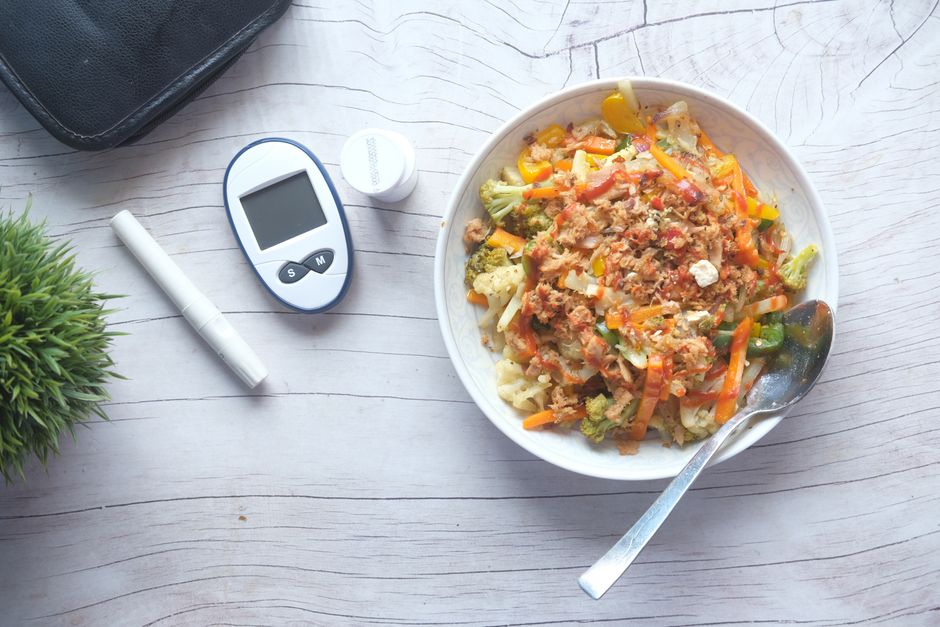
Diabetic, halal, vegetarian, dementia-friendly — practical menu planning for every resident.
Food Safety
HACCP, allergen control, Natasha's Law, and the kitchen habits that prevent incidents.
Staffing & Cover
Emergency cover, relief chefs, and the staffing systems that keep your kitchen running.



Food safety and allergens
- Food Safety in Care Homes: Essential Guide
- HACCP for Care Home Kitchens: Practical Implementation
- Allergen Law and Natasha’s Law: Care Home Compliance Guide
- Allergy Management in Care Homes
IDDSI and dysphagia
- IDDSI Levels Explained: Complete Guide for Care Home Kitchens
- Dysphagia in Care Homes: Practical Guide for Kitchen Staff
- Dysphagia Awareness: Why Every Kitchen Assistant Needs Training
- Texture, Taste and Swallowing: The Aging Resident Dining Experience
- IDDSI Training for Care Homes: What Every Kitchen Team Needs
- What is a Level 4 Pureed Diet and What Foods Can You Eat on Level 4
- Level 5 Minced and Moist Diet Guide
- IDDSI Level 6: Soft and Bite-Sized
- Texture Modified Diets: Level 3 to 7 Explained
- High Protein Pureed Food: Nutrition for Modified Diet Residents
- Pureed Food Recipes That Actually Taste Good
- How to Make Dysphagia Meals Look Appetising
Dietary needs
- Diabetic-Friendly Meals for Elderly Residents
- Halal and Kosher Catering in Care Homes
- Vegetarian and Vegan Diets in Care Homes
- Managing Dementia-Related Eating Challenges
Staffing and cover
- Chef vs Kitchen Assistant in Social Care
- 5 Signs Your Care Home Kitchen Needs More Staff
- Emergency Kitchen Cover for Care Homes
- Relief Chef vs Agency Chef: What Care Home Managers Need to Know
- Holiday Chef Cover: How to Plan Ahead
- How to Vet a Temporary Chef for Your Care Home Kitchen
- The True Cost of Last-Minute Chef Absence in Care Homes
- How to Find a Temporary Chef for Your Care Home
Catering Suppliers
Equipment, food, and disposables — every supplier relationship that keeps your care home kitchen running.