Equipment
Heavy-Duty Immersion Blenders
Equipment
Thickeners for Hot Drinks
Equipment
If you are setting up a texture-modified service from scratch: read the IDDSI levels guide first, print the flow-test charts, then work through Level 4 and Level 5. If you already run modified diets, the presentation and training guides are where most kitchens find quick wins.
Dysphagia cooking is a skill like any other — it gets better with repetition and the right kit. Get the framework in your head, get the team trained, and the plates will take care of themselves.
Texture-modified diets need the right kit on the line. These buyer’s guides cover the blenders, processors, moulds, thickeners and flow-test tools care home kitchens actually rely on — picked from real service, not a catalogue.
The guides below cover each IDDSI level, the recipes, the presentation techniques, and the training your team needs. Work through them in order, or jump to the level you are cooking to this week.
If you are setting up a texture-modified service from scratch: read the IDDSI levels guide first, print the flow-test charts, then work through Level 4 and Level 5. If you already run modified diets, the presentation and training guides are where most kitchens find quick wins.
Dysphagia cooking is a skill like any other — it gets better with repetition and the right kit. Get the framework in your head, get the team trained, and the plates will take care of themselves.
Texture-modified diets need the right kit on the line. These buyer’s guides cover the blenders, processors, moulds, thickeners and flow-test tools care home kitchens actually rely on — picked from real service, not a catalogue.
Dysphagia is a team responsibility, not just the head chef’s. The person plating at 4pm needs to know the difference between Level 4 and Level 5 as well as anyone. Regular, practical IDDSI training for the whole kitchen team is what keeps residents safe between inspections.
Build it into induction, refresh it quarterly, and make the wall charts impossible to miss. When a new agency chef walks in, the standards should be visible before you’ve finished the handover.
The guides below cover each IDDSI level, the recipes, the presentation techniques, and the training your team needs. Work through them in order, or jump to the level you are cooking to this week.
If you are setting up a texture-modified service from scratch: read the IDDSI levels guide first, print the flow-test charts, then work through Level 4 and Level 5. If you already run modified diets, the presentation and training guides are where most kitchens find quick wins.
Dysphagia cooking is a skill like any other — it gets better with repetition and the right kit. Get the framework in your head, get the team trained, and the plates will take care of themselves.
Texture-modified diets need the right kit on the line. These buyer’s guides cover the blenders, processors, moulds, thickeners and flow-test tools care home kitchens actually rely on — picked from real service, not a catalogue.
Every care home kitchen will cook for residents with swallowing difficulties. If you work in a care home kitchen, dysphagia is not a side topic — it is a daily reality that touches how you shop, how you cook, how you plate, and how you train your team. This guide pulls together everything the KitchenFlow kitchen team needs: the IDDSI framework, the level-by-level diets, presentation that protects dignity, and the training every kitchen assistant should have.
Dysphagia is difficulty swallowing. In older care home residents it is common — caused by stroke, dementia, Parkinson’s, or general frailty. The risk is aspiration: food or drink going down the wrong way and into the lungs. For the kitchen, the job is to prepare food at a texture the resident can swallow safely without turning mealtimes into something clinical or miserable.
The good news is that texture-modified food has come a long way. With the right moulds, the right equipment, and a bit of care, a Level 4 pureed meal can look like a plate of food, not a bowl of baby food. That is what this whole guide is built around.
The International Dysphagia Diet Standardisation Initiative (IDDSI) is the standard used across UK care homes. It runs from Level 0 (thin liquids) to Level 7 (regular food). Most care home kitchen work sits between Level 3 (liquidised) and Level 6 (soft and bite-sized).
The levels your kitchen will cook to most often:
Every kitchen should keep the IDDSI flow-test charts on the wall. A spoon-tip test for Level 4, a fork-press test for Level 5, and so on. It takes the guesswork out and keeps you consistent shift to shift.
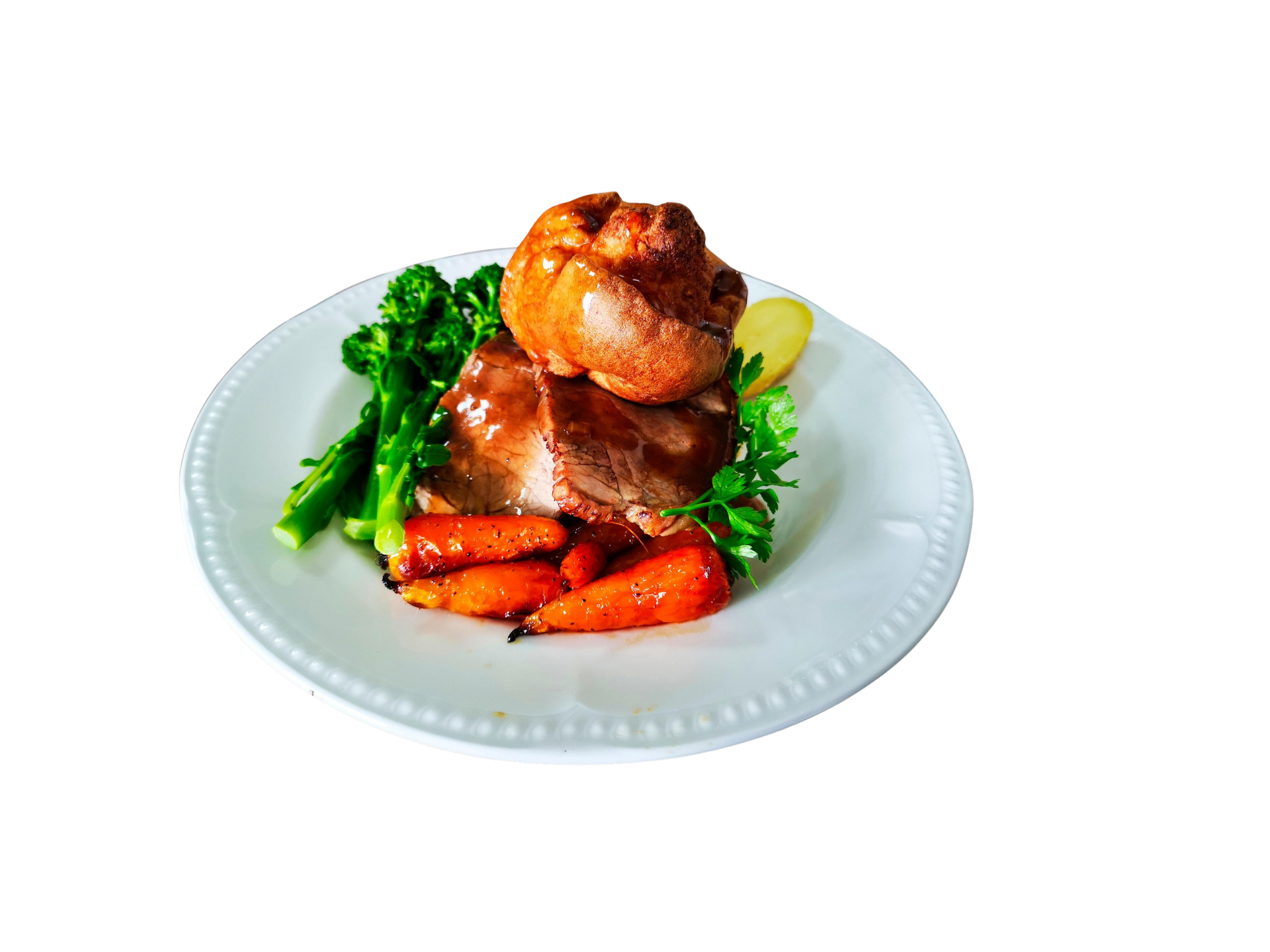
A resident on a Level 4 diet is still a person who deserves a proper plate of food. The fastest way to damage someone’s relationship with food is to put down a beige scoop that looks like hospital mush. Use moulds to shape puree back into the form of the food it came from — mash into a potato, puree into a cottage pie. Sauces on top, not pooled. Colour on the plate.
This is not vanity. Residents who recognise their food eat more, waste less, and keep weight on. For a care home kitchen, that is the whole job.
Dysphagia is a team responsibility, not just the head chef’s. The person plating at 4pm needs to know the difference between Level 4 and Level 5 as well as anyone. Regular, practical IDDSI training for the whole kitchen team is what keeps residents safe between inspections.
Build it into induction, refresh it quarterly, and make the wall charts impossible to miss. When a new agency chef walks in, the standards should be visible before you’ve finished the handover.
The guides below cover each IDDSI level, the recipes, the presentation techniques, and the training your team needs. Work through them in order, or jump to the level you are cooking to this week.
If you are setting up a texture-modified service from scratch: read the IDDSI levels guide first, print the flow-test charts, then work through Level 4 and Level 5. If you already run modified diets, the presentation and training guides are where most kitchens find quick wins.
Dysphagia cooking is a skill like any other — it gets better with repetition and the right kit. Get the framework in your head, get the team trained, and the plates will take care of themselves.
Texture-modified diets need the right kit on the line. These buyer’s guides cover the blenders, processors, moulds, thickeners and flow-test tools care home kitchens actually rely on — picked from real service, not a catalogue.
Insights for Care Kitchens
Practical insights, menus, and guidance for care kitchens covering nutrition, compliance, and day-to-day realities.
Thoughtful Content, sent Occasionally
No spam. Unsubscribe anytime.